
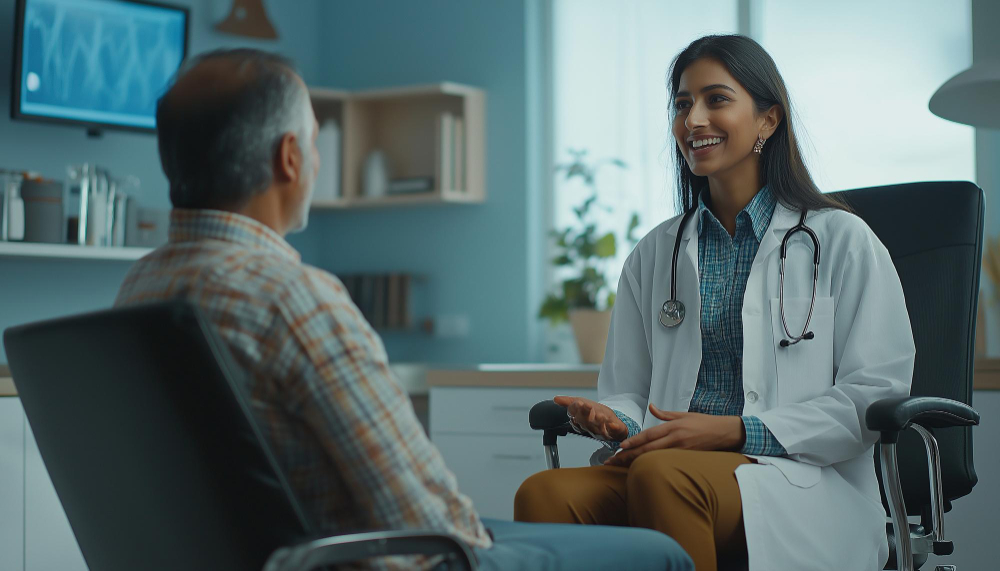
One of the most important skills you will develop during MBBS is communication. No matter how strong your theoretical knowledge is, if you cannot connect with patients, your effectiveness as a doctor remains limited. That’s why learning How to Talk to Patients as a Medical Student is essential from the very beginning.
Many students feel nervous or unsure during their first patient interaction. That’s completely normal. The key is to practice consistently and approach patients with empathy and respect.
Why Patient Communication Matters
Good communication is not just about talking, it’s about building trust.
It helps you:
- Understand patient symptoms better
- Build rapport and trust
- Improve diagnosis accuracy
- Reduce misunderstandings
According to the World Health Organization, effective communication is a core component of quality healthcare. Learn more here: https://www.who.int/health-topics/health-workforce
How to Talk to Patients as a Medical Student
Let’s break down simple and practical steps you can follow.
1. Start with a Polite Introduction
First impressions matter.
Always:
- Greet the patient respectfully
- Introduce yourself as a medical student
- Ask for permission to talk
Example:
Hello, I am a medical student. May I ask you a few questions?
This creates a comfortable environment.
2. Use Simple and Clear Language
Avoid medical jargon.
Instead:
- Use everyday language
- Explain terms simply
- Speak slowly and clearly
Patients understand better when you keep things simple.
3. Listen More Than You Speak
Good communication starts with listening.
Focus on:
- Patient’s concerns
- Symptoms description
- Emotional state
Listening builds trust faster than talking.
4. Ask Structured Questions
While taking history, follow a clear pattern.
Ask about:
- Chief complaints
- Duration of symptoms
- Associated issues
- Past medical history
Structured questioning improves clarity.
5. Maintain Eye Contact and Body Language
Non-verbal communication matters a lot.
Keep in mind:
- Maintain eye contact
- Sit or stand at patient level
- Avoid distractions
Your body language should show attention and respect.
6. Show Empathy
Patients are often anxious or scared.
To show empathy:
- Acknowledge their concerns
- Use reassuring words
- Avoid being judgmental
Even a simple statement like “I understand your concern” makes a difference.
7. Be Patient and Calm
Some patients may take time to explain.
You should:
- Avoid interrupting
- Give them time
- Stay calm even if they are anxious
Patience improves communication quality.
8. Practice Regularly During Clinical Postings
The best way to improve is through practice.
Try to:
- Interact with patients daily
- Observe seniors
- Learn from feedback
Institutions like All India Institute of Medical Sciences encourage early patient interaction to build communication skills.
9. Learn from Mistakes
You will make mistakes, and that’s okay.
After each interaction:
- Reflect on what went well
- Identify what can improve
- Apply changes next time
Research on https://pubmed.ncbi.nlm.nih.gov/ shows that reflective learning improves communication skills.
10. Respect Patient Privacy
Confidentiality is essential.
Always:
- Avoid discussing patient details publicly
- Maintain professional boundaries
- Respect personal space
Trust is built on respect and privacy.
Common Mistakes to Avoid
Avoid these mistakes during patient interaction:
- Using complex medical terms
- Interrupting patients
- Ignoring patient emotions
- Being distracted or rushed
Small mistakes can affect patient trust.
How This Skill Helps in Your Career
Strong communication skills benefit you in multiple ways:
- Better patient relationships
- Improved clinical understanding
- Increased confidence
- Smoother internship experience
Doctors who communicate well are often more effective and trusted.
Real-Life Tip for Beginners
If you’re nervous, start small.
- Talk to stable patients
- Practice simple questions
- Observe experienced doctors
Confidence grows with each interaction.
Final Thoughts
Learning How to Talk to Patients as a Medical Student is not something you master overnight. It’s a skill that improves with time, practice, and awareness.
Focus on empathy, clarity, and respect. These three qualities will make you not just a better student, but a better doctor.
Frequently Asked Questions
Is it okay to talk to patients as a medical student?
Yes, with proper permission and supervision.
What if I feel nervous while talking to patients?
Start with simple conversations and build confidence gradually.
How can I improve my communication skills?
Practice regularly, observe seniors, and learn from feedback.
Should I use medical terms while talking to patients?
No, always use simple language.
How important is empathy in patient communication?
Very important. It helps build trust and improves patient experience.