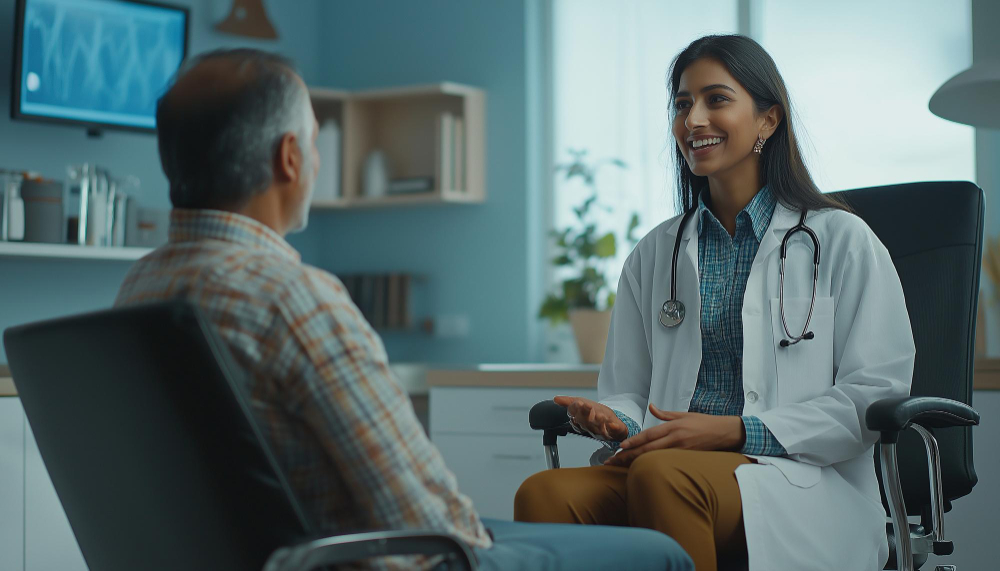


Medical college is not just about passing exams. It’s about becoming a doctor who can confidently handle patients in real-life situations. That’s why understanding the Clinical Skills Every Medical Student Should Master is essential during MBBS.
Many students focus heavily on theory but feel lost when it comes to practical skills. The truth is, clinical competence comes from consistent practice, not just studying textbooks.
Why Clinical Skills Matter More Than You Think
Clinical skills bridge the gap between theory and practice.
They help you:
- Diagnose patients effectively
- Communicate with confidence
- Perform basic procedures
- Handle real hospital scenarios
According to the World Health Organization, strong clinical skills are fundamental to quality healthcare delivery. Learn more here: https://www.who.int/health-topics/health-workforce
Clinical Skills Every Medical Student Should Master
Let’s break down the most important skills you should focus on during MBBS.
1. Patient History Taking
This is one of the most important skills.
You should be able to:
- Ask relevant questions
- Understand patient complaints
- Identify key symptoms
A good history often leads to the correct diagnosis.
2. General Physical Examination
You must be confident in basic examination.
Includes:
- Checking pulse and blood pressure
- Observing general condition
- Identifying abnormal signs
These are the first steps in clinical evaluation.
3. Systemic Examination
Each system requires a structured approach.
Focus on:
- Cardiovascular system
- Respiratory system
- Nervous system
Practice regularly to improve accuracy.
4. Basic Procedural Skills
You don’t need to master everything, but you should know basics.
Important procedures:
- IV cannulation
- Blood sample collection
- Injection techniques
- Wound dressing
Institutes like All India Institute of Medical Sciences emphasize hands-on learning for these skills.
5. Case Presentation Skills
Being able to present a case clearly is crucial.
Work on:
- Structured presentation
- Highlighting key findings
- Logical flow
This reflects your understanding of the case.
6. Clinical Reasoning
Clinical reasoning is what separates average students from good doctors.
You should learn to:
- Connect symptoms with diagnosis
- Think logically
- Analyze patient data
Research on https://pubmed.ncbi.nlm.nih.gov/ shows that early development of clinical reasoning improves diagnostic accuracy.
7. Communication Skills
Communication is as important as clinical knowledge.
Focus on:
- Talking to patients in simple language
- Listening carefully
- Showing empathy
Patients trust doctors who communicate well.
8. Documentation Skills
Proper documentation is essential in hospitals.
You should know how to:
- Write case sheets
- Record findings clearly
- Maintain patient records
Good documentation ensures continuity of care.
9. Professional Behavior
Being a doctor is about more than skills.
Develop:
- Discipline
- Responsibility
- Respect for patients and staff
A good attitude enhances your overall performance.
10. Time Management in Clinical Settings
Hospital environments can be busy.
Learn to:
- Prioritize tasks
- Manage multiple patients
- Stay organized
Time management reduces stress and improves efficiency.
How to Improve Clinical Skills During MBBS
Knowing the skills is not enough, you need to practice them.
Practical Tips:
- Attend clinical postings regularly
- Take patient history daily
- Observe procedures closely
- Ask questions without hesitation
Consistency is the key to improvement.
Common Mistakes to Avoid
Avoid these common errors:
- Ignoring practical training
- Being passive during postings
- Hesitating to interact with patients
- Focusing only on exams
Clinical skills cannot be developed overnight.
How These Skills Help in Internship
Students with strong clinical skills:
- Adapt quickly during internship
- Handle patients confidently
- Perform procedures efficiently
- Learn faster in real settings
Early preparation gives you a clear advantage.
Final Thoughts
Understanding the Clinical Skills Every Medical Student Should Master is essential for becoming a competent doctor. It’s not about perfection, it’s about consistent learning and improvement.
Start early, practice regularly, and stay curious. That’s how you build real clinical confidence.
Frequently Asked Questions
When should I start learning clinical skills?
As early as possible during MBBS.
Are clinical skills more important than theory?
Both are important, but clinical skills are essential for real-world practice.
How can I improve my clinical confidence?
By practicing regularly and interacting with patients.
Do all students get equal clinical exposure?
Not always, but you can increase exposure with initiative.
Can I learn clinical skills without hospital practice?
You can start with theory, but real practice is necessary.