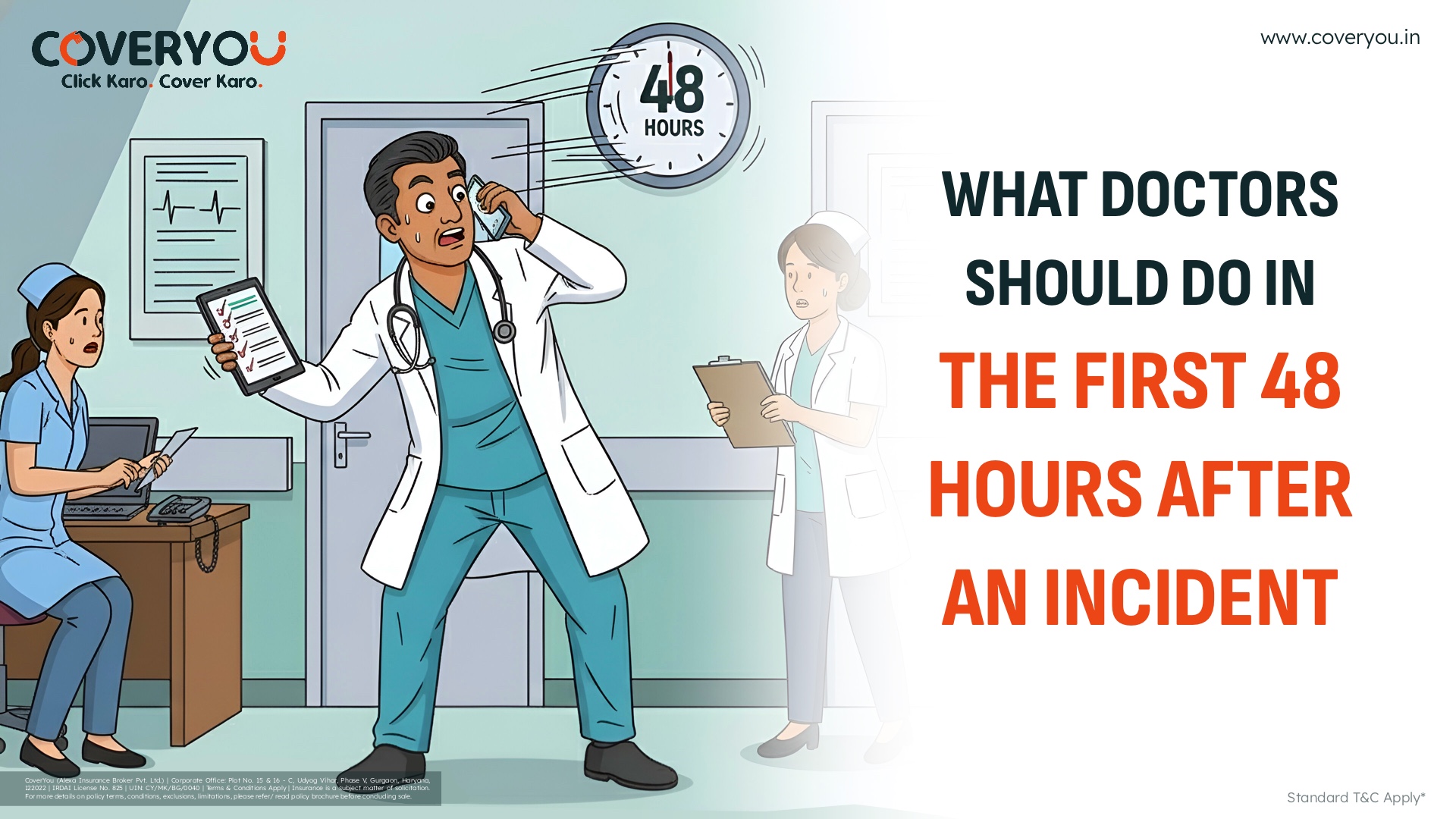
What Doctors Should Do in the First 48 Hours After an Incident
The first 48 hours after an incident feel deceptively important. Doctors often believe these hours will define outcomes. That every ...

The first 48 hours after an incident feel deceptively important. Doctors often believe these hours will define outcomes. That every ...
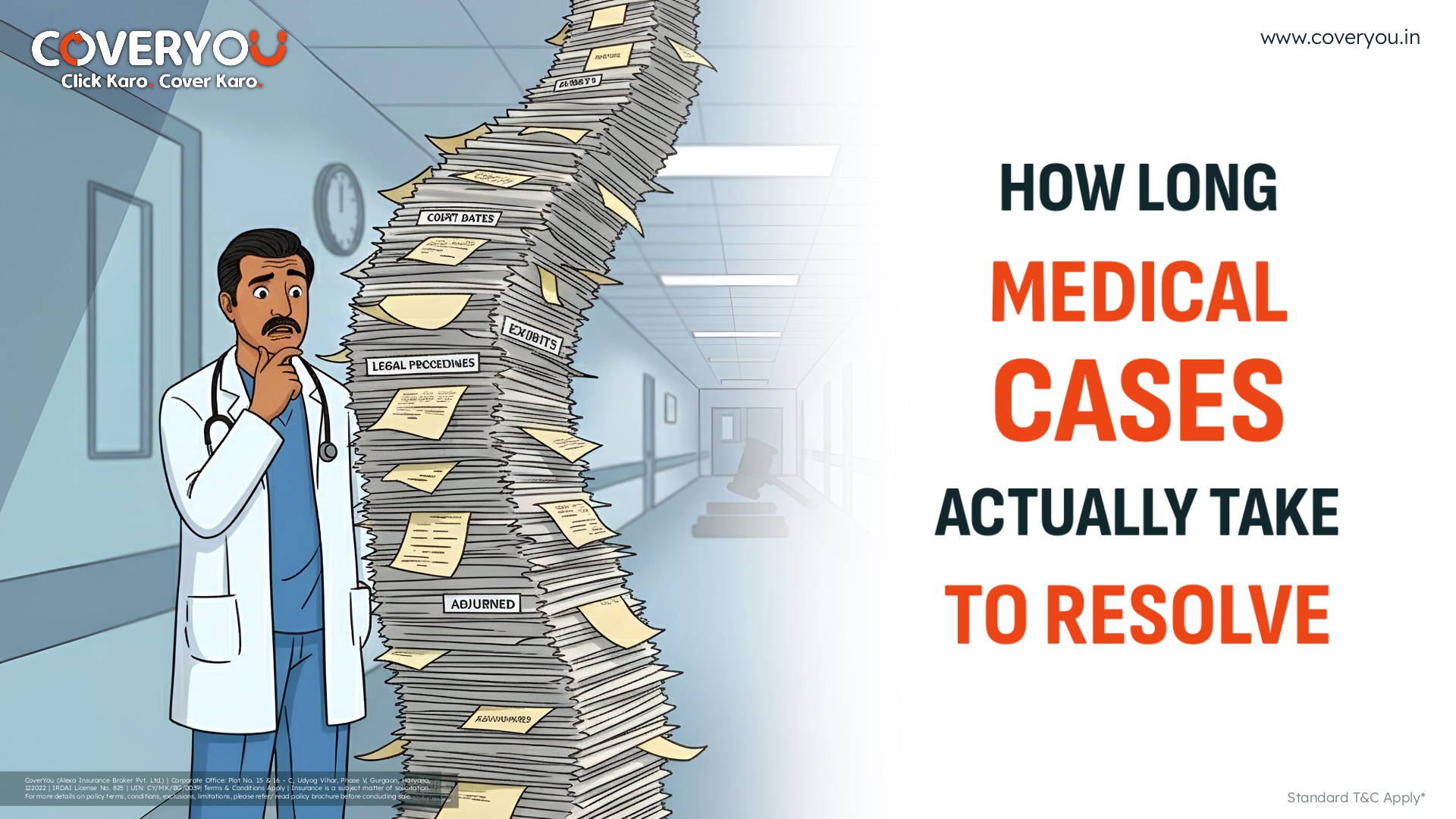
One of the most unsettling aspects of medical scrutiny is not intensity. It is duration. Most doctors expect difficult situations ...
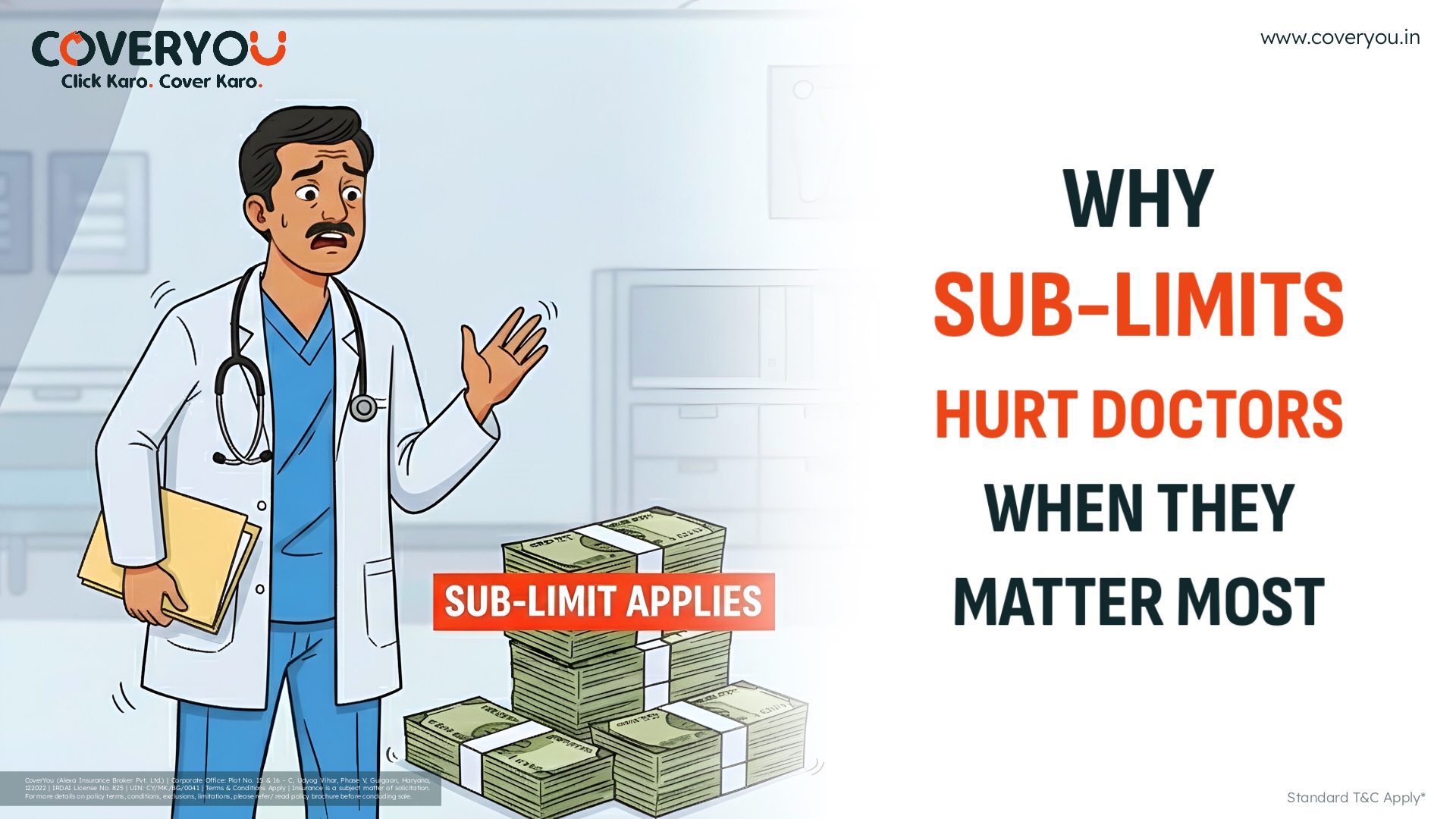
Sub-limits rarely attract attention when policies are purchased. They sit quietly inside documents - percentages, caps, condition-specific ceilings that don’t ...
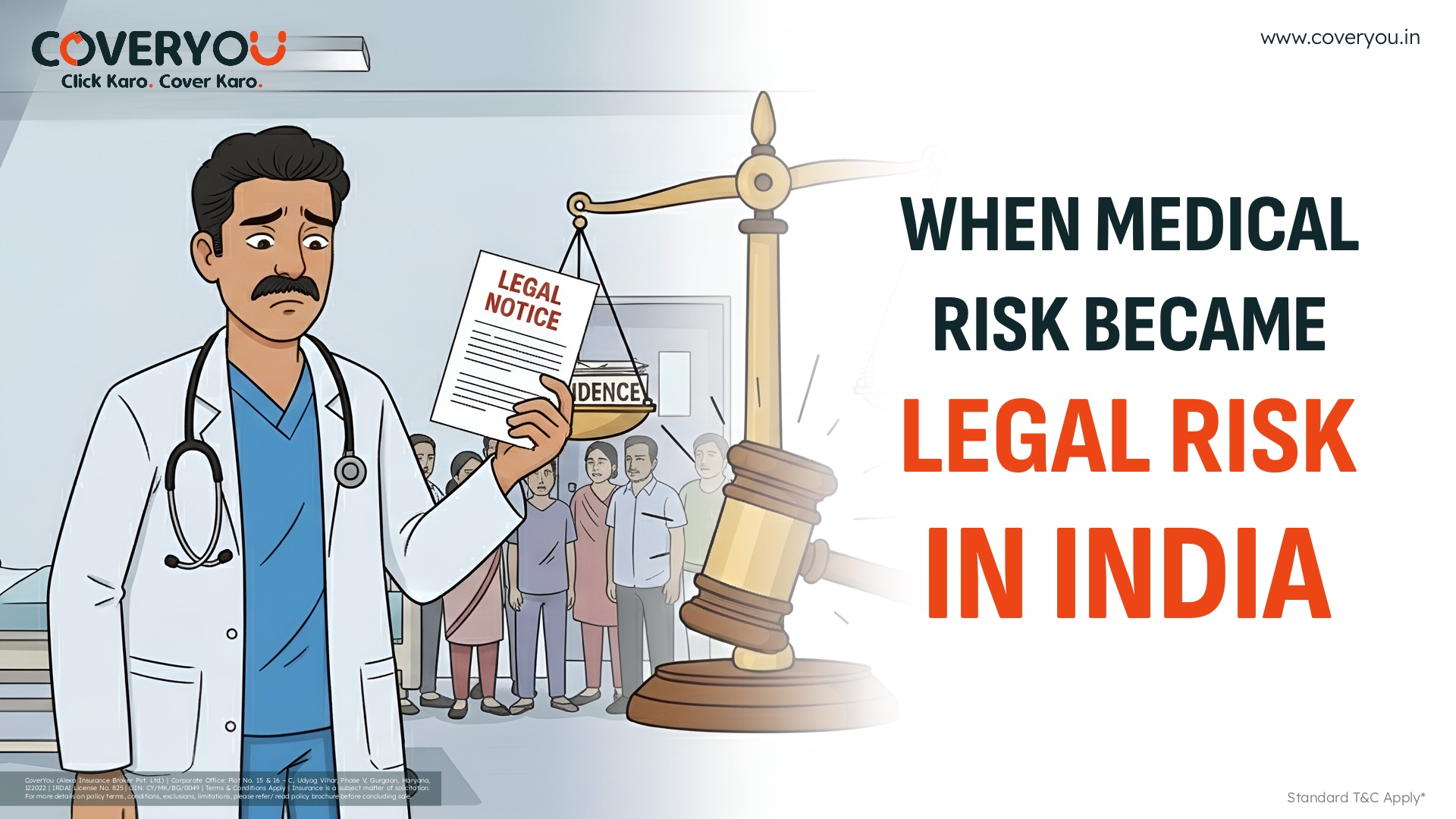
Medical risk has always existed. Complications, adverse outcomes, and uncertainty are inherent to clinical practice. For decades, these risks were ...
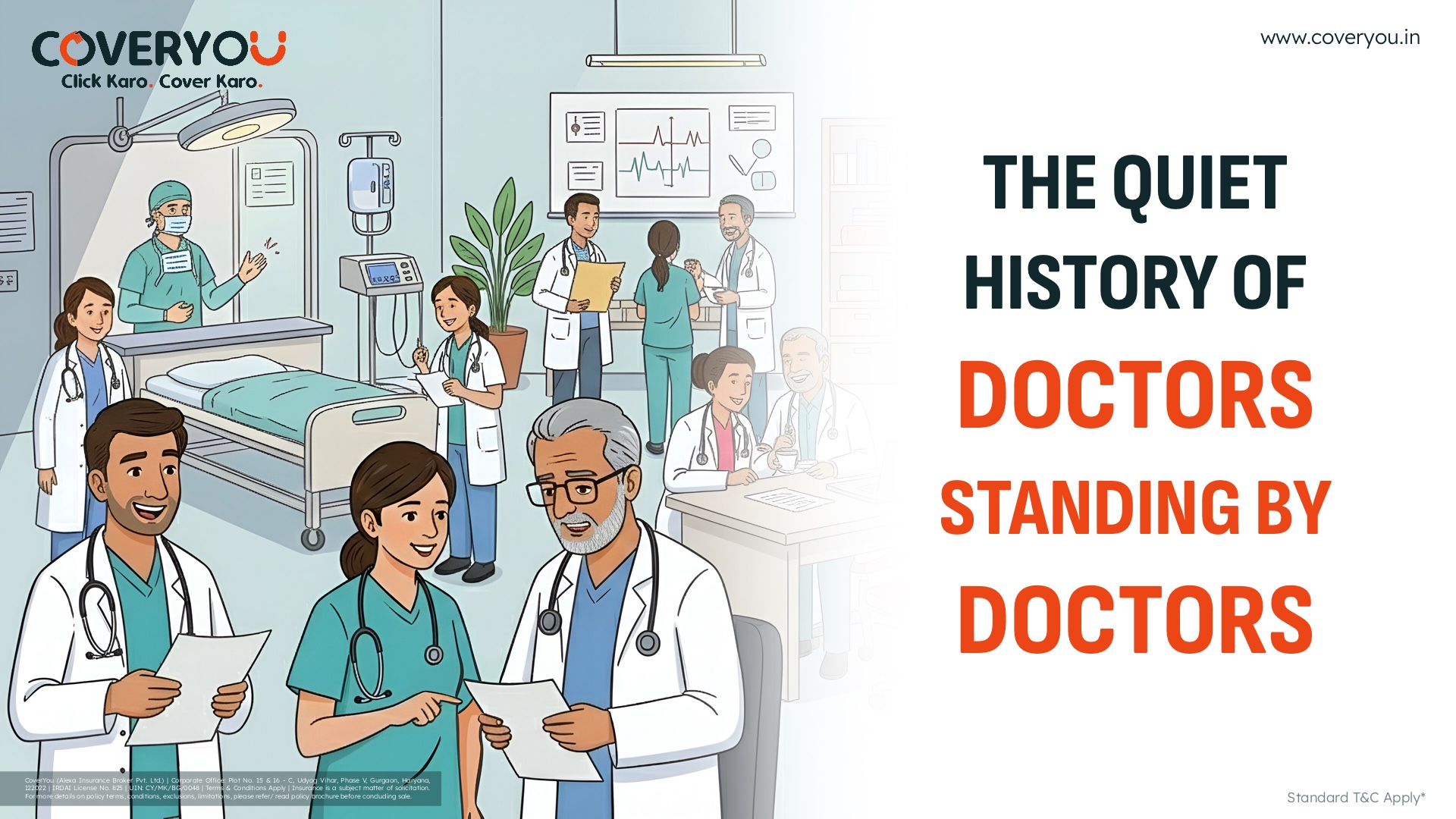
There are moments in medicine that never reach patients. They unfold behind closed doors — in corridors, staff rooms, and ...
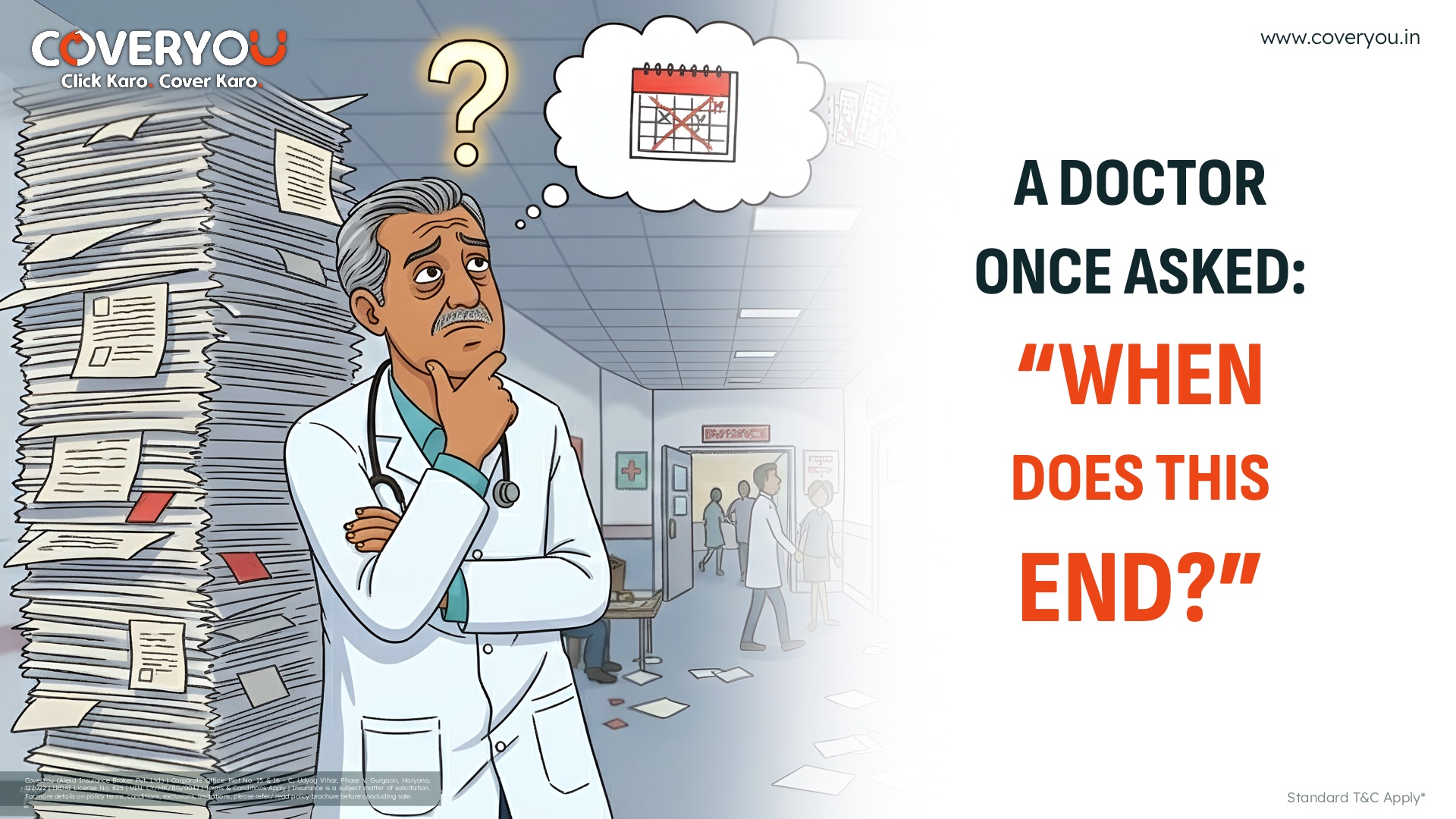
The question wasn’t asked in a meeting. It wasn’t framed dramatically. It didn’t come with frustration or anger. It came ...
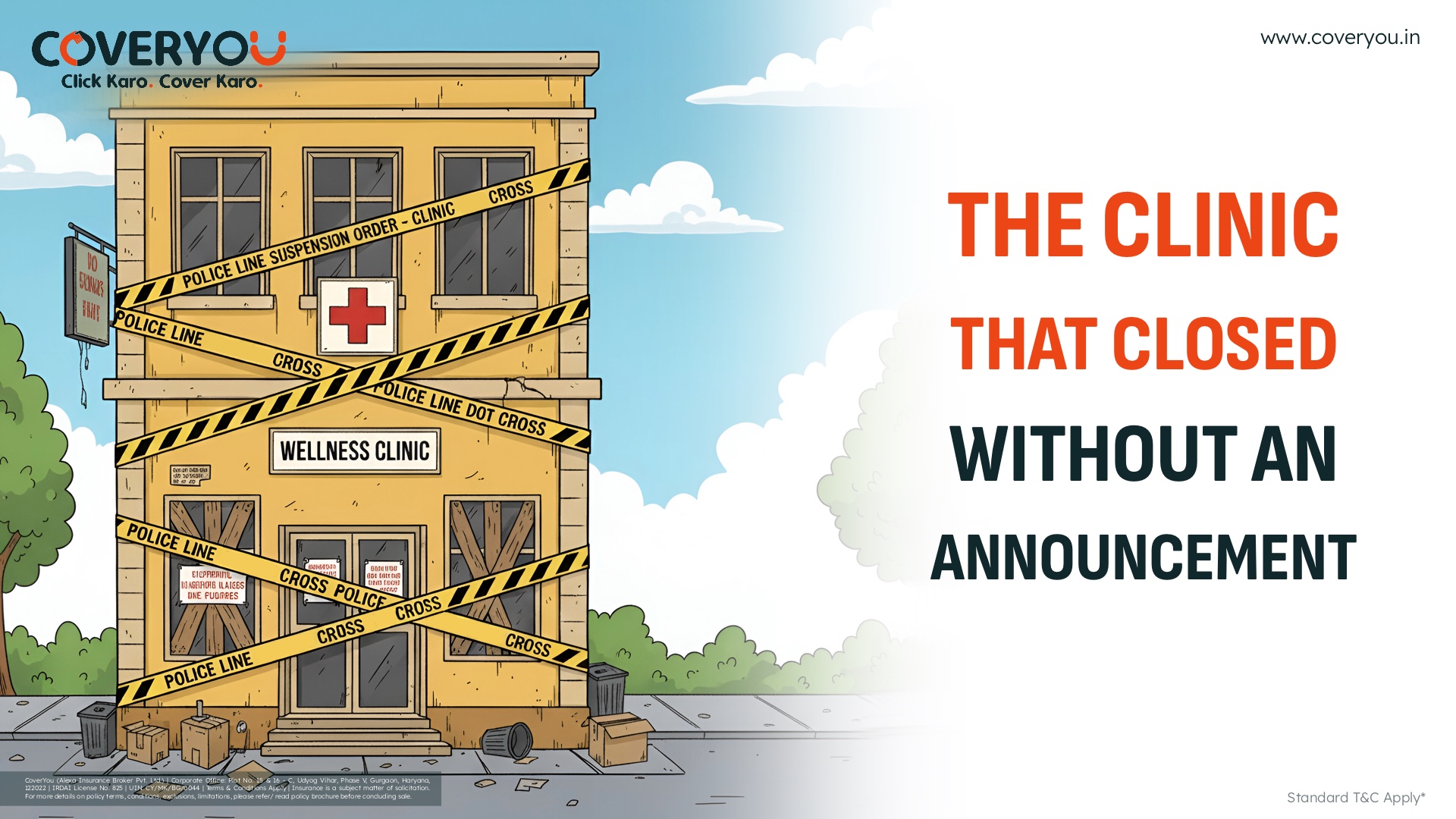
The clinic didn’t close suddenly. There was no notice on the door. No final message to patients. No announcement explaining ...
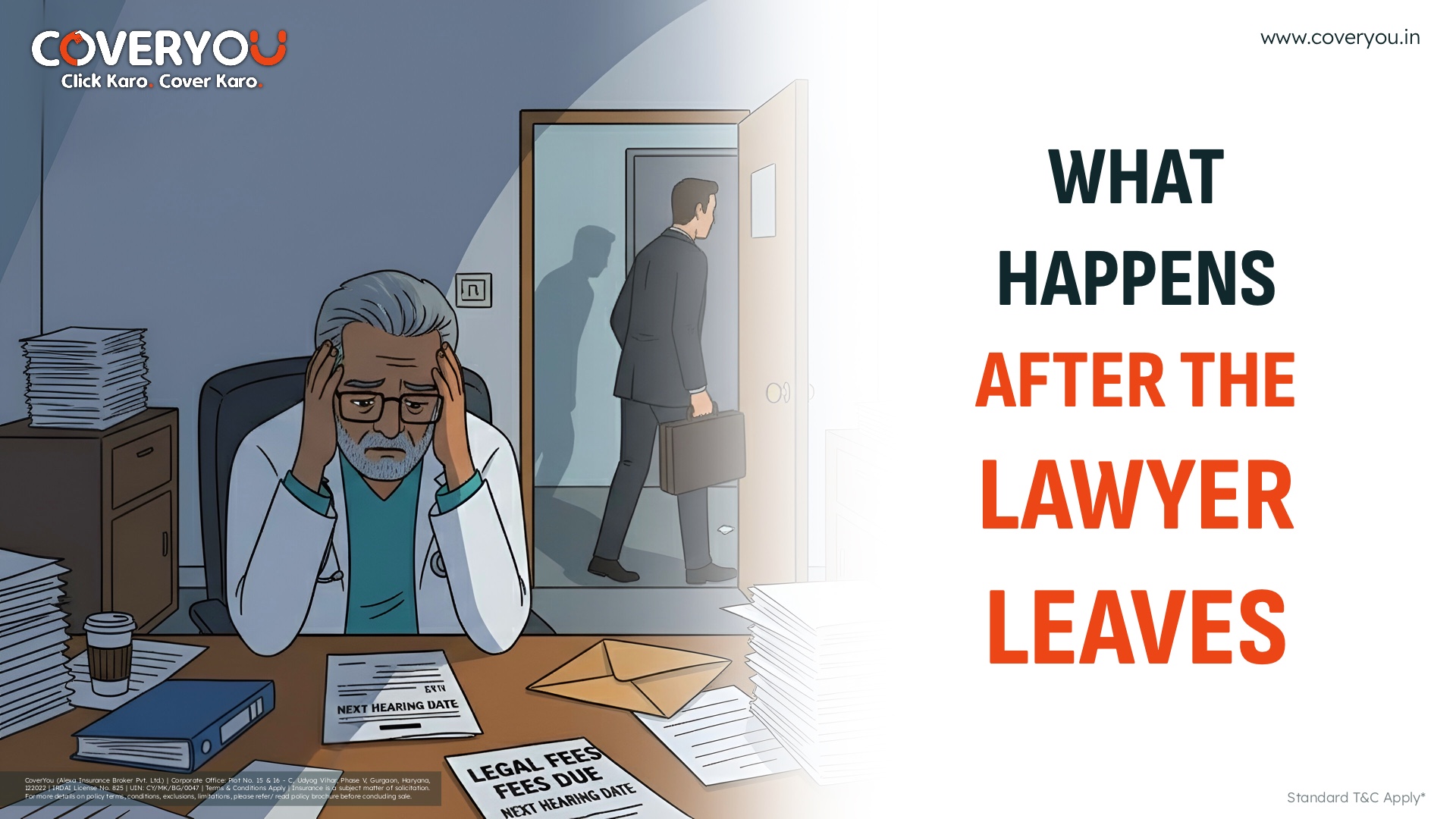
The lawyer left on time. The meeting ended politely. Questions had been answered carefully. Notes were taken. Assurances were exchanged ...
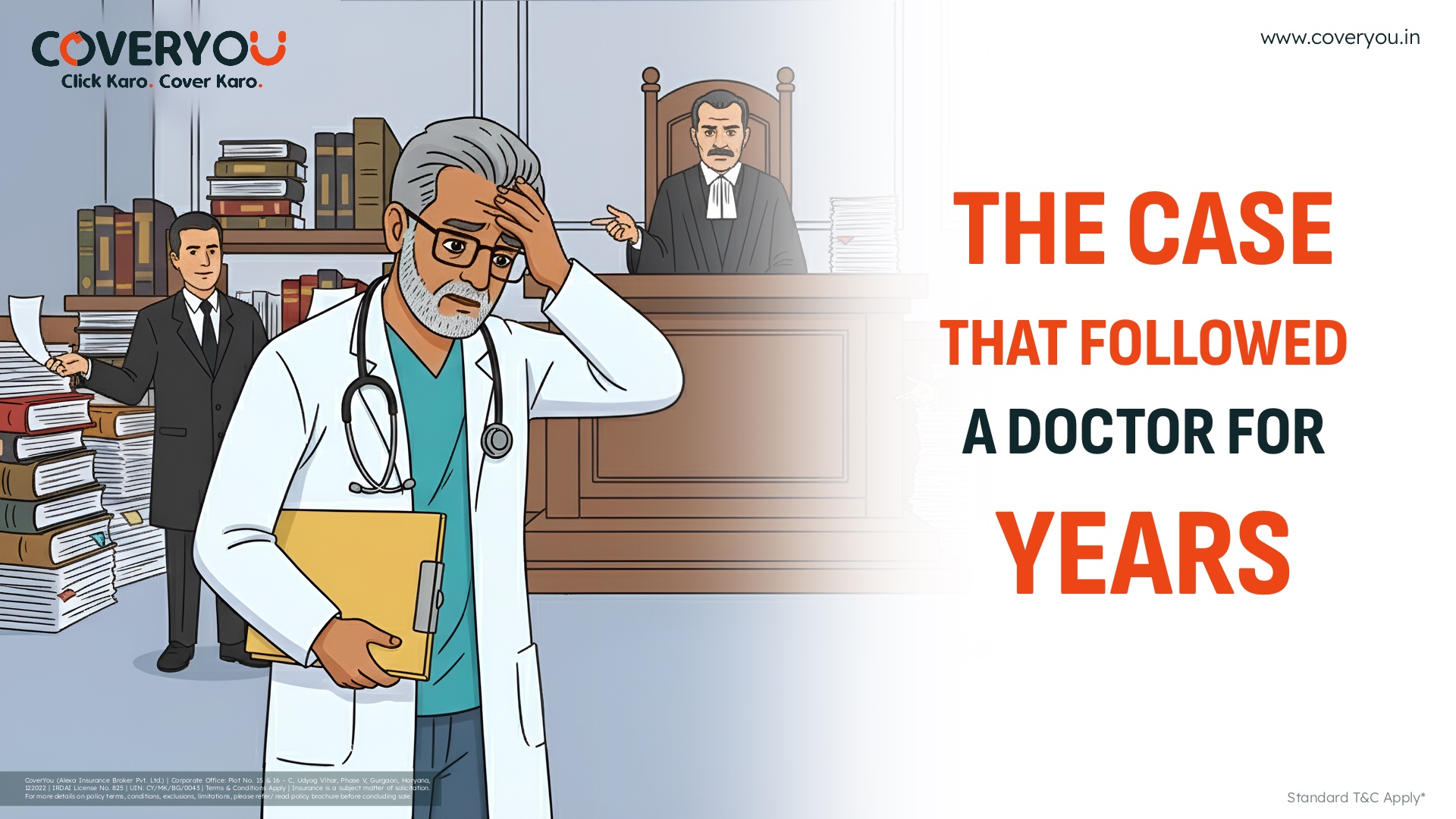
The case ended on paper long before it ended in memory. There was a date attached to its closure. A ...
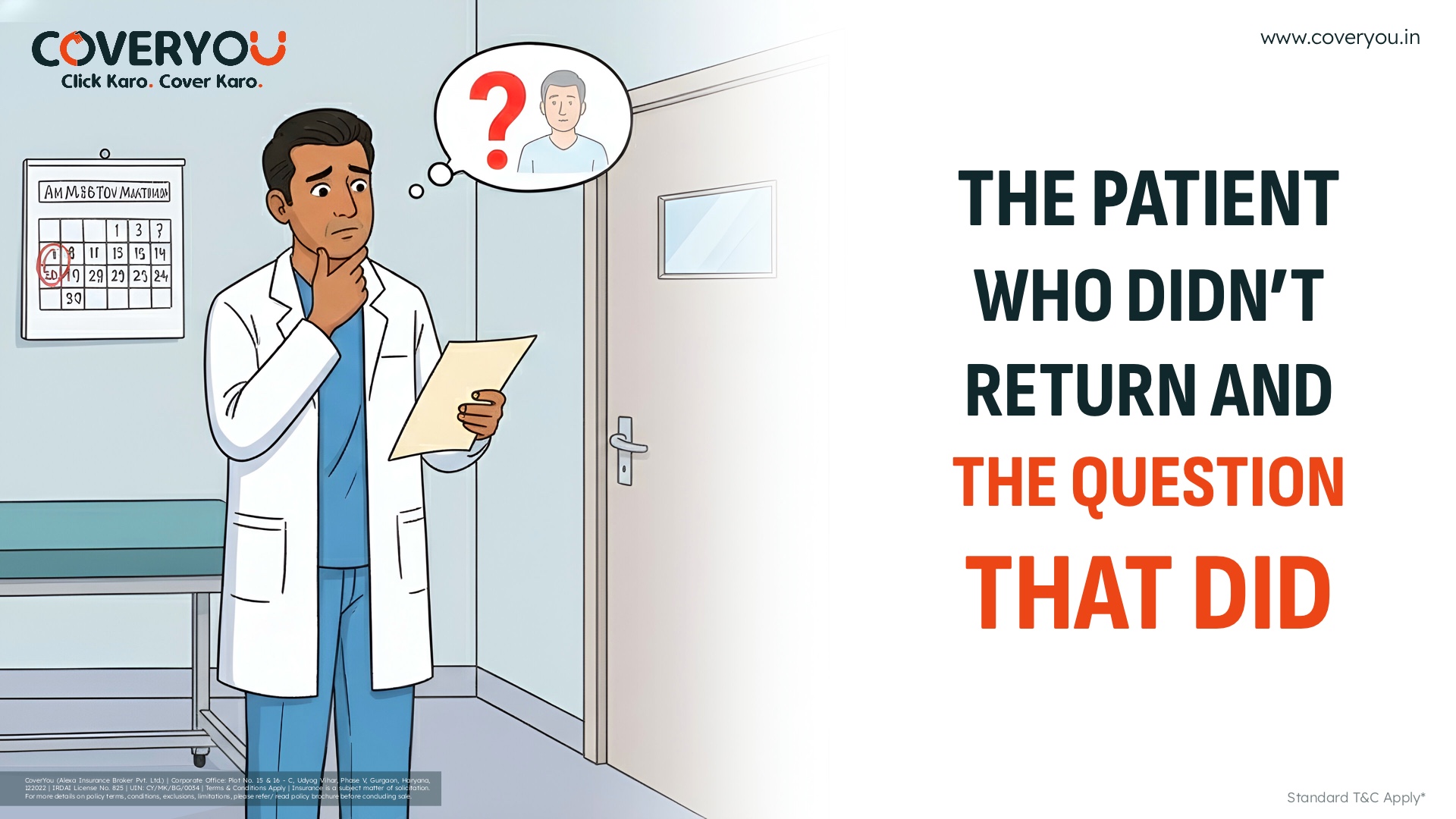
The follow-up appointment was scheduled for the following week. The doctor remembered because it had been discussed carefully. Options were ...

© Alexa Insurance Broker Pvt. Ltd. All Rights Reserved