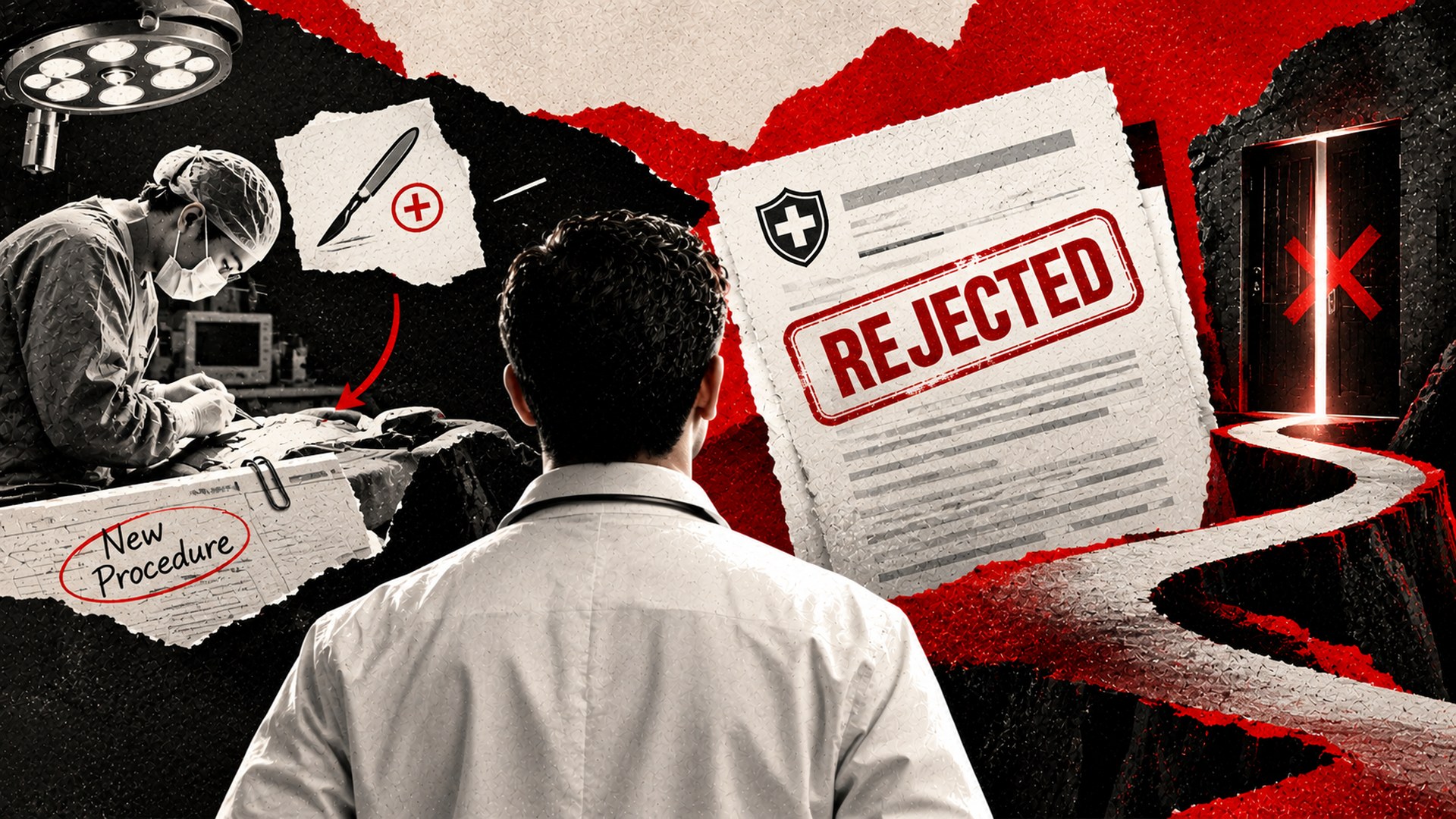


Medicine is a respected and meaningful profession, but it can easily consume your time, energy, and identity. Long shifts, emergency calls, exams, administrative work, and emotional pressure often leave little room for personal connection. That is why understanding Social Life of Doctors: How to Balance is important for long-term happiness and mental wellbeing.
Many doctors assume sacrifice is permanent. It is not. Some phases will be intense, but if work always comes first without boundaries, friendships weaken, hobbies disappear, and burnout grows. A successful career should not require a completely empty personal life.
Why Social Life Becomes Difficult for Doctors
The challenge is not lack of desire. It is usually lack of structure.
Common reasons doctors struggle socially:
- Long and unpredictable working hours
- Night duties
- Weekend shifts
- Mental exhaustion after work
- Exam preparation periods
- Frequent relocations
- Emotional fatigue from patient care
- Guilt when taking time off
These are real barriers, but they can be managed.
According to the World Health Organization, social connection and mental wellbeing are strongly linked to overall health. Learn more here: https://www.who.int
Stop Waiting for “Free Time”
Many doctors think social life will improve once the schedule becomes easy. That mindset fails because medical life often stays busy in different ways.
Instead of waiting for free time, schedule connection intentionally.
Examples:
- 20-minute coffee with a friend
- Weekly dinner with family
- Monthly reunion plan
- Quick call while commuting
- Short walk with a colleague after duty
For Social Life of Doctors: How to Balance, planned connection works better than hoping for spare time.
Quality Matters More Than Frequency
You do not need daily parties or constant outings. Strong relationships can survive with fewer but meaningful interactions.
Better than random scrolling:
- One honest conversation
- One family meal without phones
- One relaxed meet-up monthly
- One thoughtful check-in message
Depth matters more than volume.
Protect Friendships
Non-medical friends may not understand your schedule. If you disappear repeatedly without communication, the relationship weakens.
Do this instead:
- Explain your workload honestly
- Suggest realistic plans
- Reply when possible
- Remember important dates
- Be consistent, not perfect
Real friends can adapt, but they cannot read your mind.
Build a Life Outside Medicine
If your identity becomes only “doctor,” stress hits harder.
Maintain interests outside work:
- Fitness
- Music
- Reading
- Travel
- Sports
- Creative hobbies
- Community work
Hobbies are not a waste of time. They protect mental freshness and personal identity.
Harvard Health also highlights that meaningful relationships and enjoyable activities support wellbeing: https://www.health.harvard.edu
Social Energy After Exhausting Shifts
Sometimes you are not free. Sometimes you are free but drained. Those are different problems.
When energy is low:
- Choose smaller plans instead of canceling everything
- Meet one person instead of a group
- Take a short walk instead of a late-night event
- Rest first, then socialize briefly
- Be honest about your energy level
Balance does not require extremes.
Boundaries Matter
Some doctors overcommit socially and feel guilty professionally. Others overwork and feel isolated personally.
Healthy boundaries sound like:
- “I can join for one hour.”
- “I’m on call this weekend, let’s meet next week.”
- “I need rest tonight, but I’m free tomorrow.”
Clear communication prevents resentment.
Relationships and Family Time
Social life is not only friends. It includes partner, parents, siblings, and children.
Protect these anchors:
- Shared meals
- Weekly family calls
- Date time with partner
- Festivals and key events when possible
- Daily check-ins
Small repeated actions build strong bonds.
Networking vs Real Connection
Doctors often attend conferences or professional events. Useful, yes. But networking is not a replacement for genuine friendship.
You need both:
- Professional growth circles
- Personal support circles
Do not confuse contacts with close relationships.
Real Example
A resident doctor feels socially isolated. Instead of waiting for vacation, they start:
- Wednesday call with parents
- Friday tea with one colleague
- Sunday gym session with a friend
- Monthly meetup with old classmates
Life did not become less busy. It became more intentional.
Key Takeaways
To improve Social Life of Doctors: How to Balance, remember:
- Stop waiting for perfect free time
- Schedule connection deliberately
- Protect important relationships
- Keep hobbies alive
- Match plans to your energy
- Use boundaries without guilt
- Build identity beyond work
Medicine is a career, not your entire life. If you do not protect your social world, work will consume it.
FAQ SECTION
Do doctors have time for a social life?
Yes, but it usually requires planning and boundaries rather than spontaneous free time.
Why do many doctors feel isolated?
Long hours, fatigue, relocations, and stress can reduce connection if not managed intentionally.
How can busy doctors maintain friendships?
Use regular check-ins, realistic plans, and consistent small efforts.
Are hobbies important for doctors?
Yes. Hobbies reduce stress, improve wellbeing, and help maintain identity outside work.
How can doctors balance work and family life?
Protect routines, communicate clearly, and schedule quality time regularly.