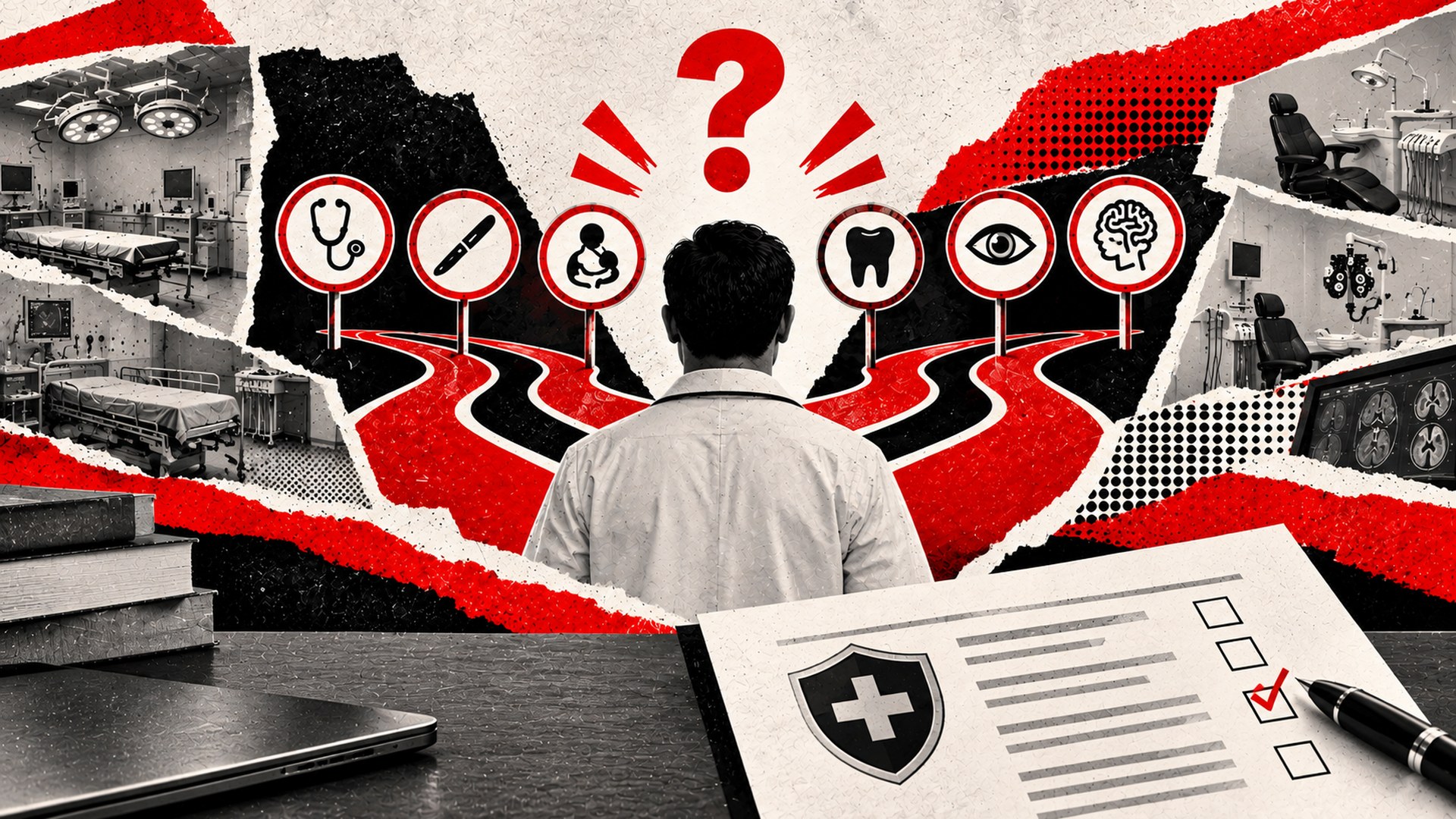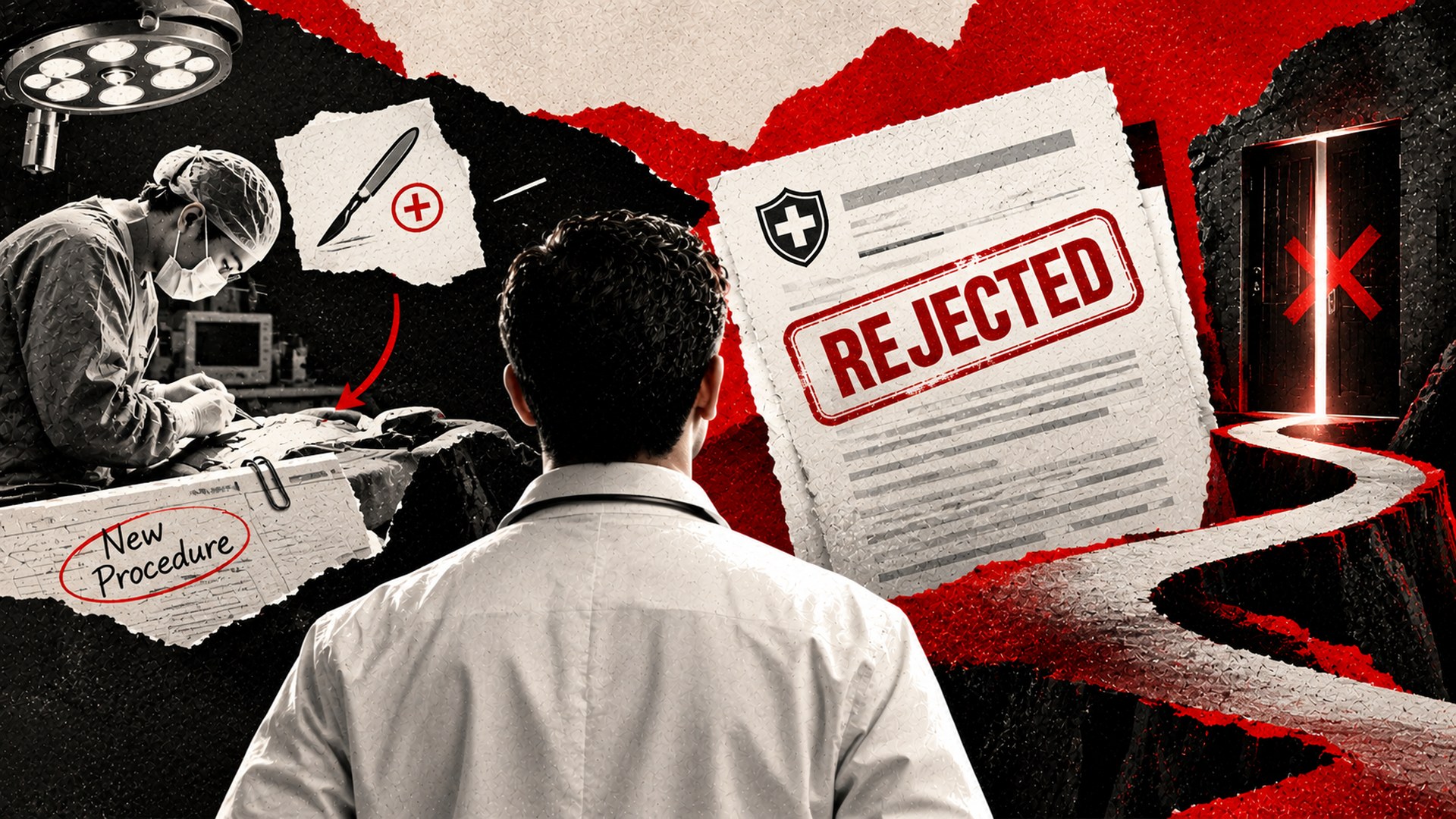


So, you’ve finally cleared MBBS. The white coat feels earned, the stethoscope feels lighter, and then comes the question every fresh Indian doctor faces at some point: “Should I do my rural posting, or find a way around it?”
If you’re reading this, chances are you’re weighing your options. Maybe your state mandates a bond. Maybe you’re eyeing PG prep. Or maybe you genuinely want to serve, but you’re unsure what village life as a medical officer actually looks like. This honest guide breaks down everything about rural posting after MBBS so you can make a decision you won’t regret later.
What Exactly Is Rural Posting After MBBS?
In India, many states require fresh MBBS graduates to serve in rural or underserved areas for a specific period, usually 1 to 2 years. This is often called a government service bond or compulsory rural service. States like Maharashtra, Tamil Nadu, Karnataka, Rajasthan, and West Bengal have different rules, penalties, and stipend structures.
The idea is simple on paper: India has roughly one doctor for every 834 people in urban pockets, but villages often have one doctor for every 10,000 or more. Rural posting is the government’s attempt to plug that gap. You can read more about India’s doctor-population ratio on the Ministry of Health & Family Welfare website.
For many, this isn’t just a formality. It’s the first real chapter of a medical career.
The Real Benefits of Rural Posting After MBBS
Let’s skip the textbook answers. Here’s what actually makes rural service worth it.
1. You Become a Complete Doctor, Fast
In a city hospital, you’re one of fifty. In a rural Primary Health Centre (PHC), you might be the doctor. You’ll handle deliveries at 2 AM, snake bites, tuberculosis cases, dog bites, accidents, and everything in between, often without a senior to call.
This exposure is priceless. Doctors who’ve done rural stints often say they learned more in one year in a PHC than in three years of residency prep. Your clinical eye sharpens. Your confidence soars.
2. Bonus Marks in NEET PG and State PG Counselling
Here’s the practical win most students care about. Many states offer incentive marks for PG entrance after rural service. For example, candidates who serve in difficult, remote, or hilly areas can earn up to 10% extra marks per year (capped at 30%) in NEET PG counselling as per NMC guidelines. You can check the updated policy on the National Medical Commission website.
For a competitive exam where even one mark shifts thousands of ranks, this is a genuine career accelerator.
3. Financial Stability Without City Expenses
Rural medical officer salaries in India typically range between ₹60,000 and ₹1,20,000 per month, depending on the state and location. The best part? Rent is often subsidised or free, food is cheap, and temptations to spend are minimal. Many young doctors save more in two years of rural service than their peers do in five years of city practice.
4. Deep Community Respect
In villages, the doctor isn’t just a doctor. You’re a guide, counsellor, and sometimes a village celebrity. Patients bring you vegetables from their farms. Grandmothers bless you. It’s the kind of human connection no corporate hospital can offer.
5. Clarity About Your Own Path
A lot of doctors enter MBBS without knowing what they want. Rural posting gives you quiet time to think. No coaching chatter, no peer pressure. You figure out whether you love surgery, community medicine, psychiatry, or administration. Many IAS officers from medical backgrounds credit their rural years for this clarity.
The Real Challenges of Rural Posting After MBBS
Now, the honest side. Nobody should go in with rose-tinted glasses.
1. Infrastructure Gaps Can Be Frustrating
You might have studied advanced imaging and laparoscopic techniques, only to land in a PHC where the ECG machine is broken and the nearest CT scan is 80 km away. Managing a critical patient with limited resources is emotionally draining.
2. Loneliness and Isolation
No cafes. No weekend movie plans. Spotty internet. If you’re someone who thrives on social energy, the first few months can feel heavy. Many young doctors struggle with isolation, especially in remote tribal or border postings.
3. Safety Concerns, Especially for Women Doctors
This is a real issue we shouldn’t sugarcoat. Female medical officers often face challenges around accommodation, safe transport, and late-night emergencies. While things are slowly improving, always check the posting location’s safety profile before accepting.
4. Delayed PG Dreams
Two years of rural bond = two years away from full-time NEET PG preparation. Balancing 20 OPD patients and 10 chapters of Pathology in the same day is tough. Many doctors end up giving PG a year or two later than planned.
5. Bureaucracy and Paperwork
Government postings come with their own administrative maze. Health surveys, immunisation drives, RTI queries, and endless registers. It’s not all clinical work. Be prepared for the non-medical side of things.
How to Make the Most of Your Rural Posting
If you’ve decided to go for it, here’s how to turn it into a golden phase:
- Start PG prep early, even 1 to 2 hours daily. Consistency beats intensity.
- Maintain a clinical diary. Unusual cases you see rurally often appear in PG interviews.
- Build relationships with ASHA workers and ANMs. They know the community better than any textbook.
- Use free time for certifications like BLS, ACLS, or a diploma in Public Health.
- Document your journey. A simple blog or Instagram page about rural medicine can open doors later.
For inspiration, platforms like The Better India regularly feature young doctors doing incredible work in villages.
Is Rural Posting After MBBS Worth It in 2026?
Honestly? For most students, yes. The skills, savings, bonus marks, and life perspective you gain are hard to replicate elsewhere. Yes, there are tough days. But tough days make good doctors.
If you approach your rural posting after MBBS with curiosity instead of resentment, it can become the most transformative chapter of your career. Don’t just survive it. Own it.
Frequently Asked Questions
1. Is rural posting after MBBS compulsory in India?
It depends on the state. Many states like Maharashtra, Tamil Nadu, and Rajasthan have mandatory bond service of 1 to 2 years. Some states allow you to pay a bond-breaking fee, but it can run into several lakhs.
2. What is the salary during rural posting after MBBS?
Stipends vary by state but typically range from ₹60,000 to ₹1,20,000 per month. Remote or tribal postings often come with extra allowances.
3. Does rural service help in NEET PG admission?
Yes. Most states offer incentive marks (up to 10% per year, capped at 30%) in state PG counselling for doctors who serve in notified rural or difficult areas.
4. Can I prepare for NEET PG during my rural posting?
Absolutely. Many toppers have cracked PG during their bond service. It requires discipline, but the relatively lighter evening workload in PHCs is actually an advantage.
5. Is rural posting safe for female doctors?
Safety varies by location. Most government PHCs provide staff quarters, but it’s wise to research the specific posting, connect with seniors who served there, and insist on proper accommodation before joining.
6. What if I don’t want to do rural service?
You can pay the bond-breaking amount, which ranges from ₹5 lakh to ₹30 lakh depending on the state. However, many students find this financially and ethically tough.