
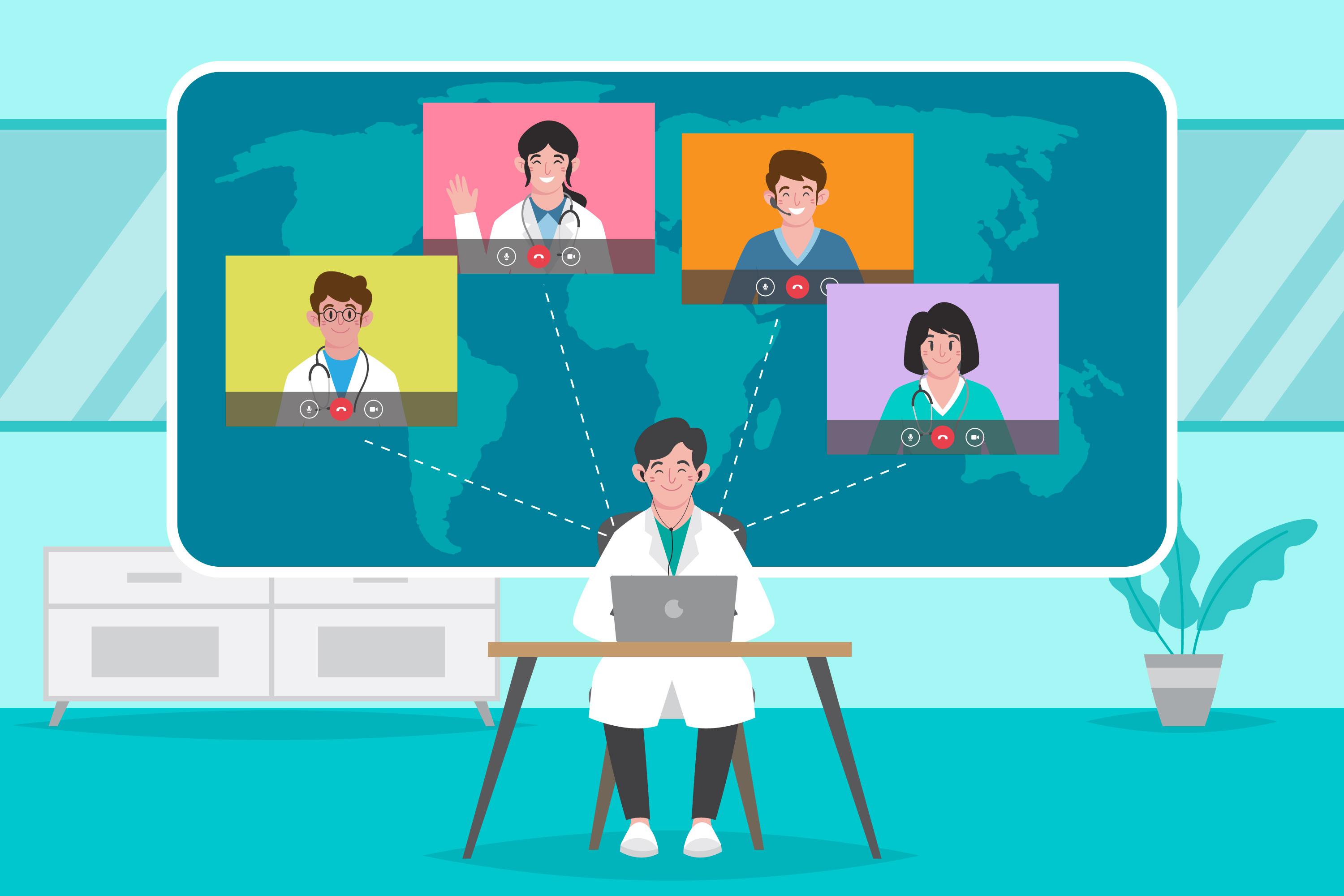
Smart networking tips for doctors can open doors to better jobs, mentors, referrals, and long-term career growth that years of hard work alone may never unlock. Medicine is often seen as a purely merit-based profession. Study well, clear exams, work hard, and success will follow. While that is partly true, there is another quiet factor that shapes careers just as powerfully. Who you know, and who knows you.
Indian medical culture has not traditionally emphasized networking. In fact, many young doctors feel awkward about it, thinking it sounds salesy or self-promotional. But here is the truth. Networking is not about manipulation or favors. It is about building real relationships with people who share your profession, your challenges, and your journey.
Whether you are a fresh MBBS graduate in Mumbai, a junior resident in Lucknow, or a new consultant in a tier-two city, learning to network thoughtfully, both online and offline, can dramatically shape your career.
Why Networking Matters for Doctors
Medicine might feel like a solo journey at times, long hours in wards, silent OT rooms, endless OPDs, but your career is built on relationships more than you realize.
A strong professional network can give you:
- Better job opportunities before they hit public listings
- Mentorship from experienced seniors
- Referrals from fellow specialists
- Research and fellowship collaborations
- Emotional support during tough phases
- Access to CMEs, workshops, and speaking opportunities
- A stronger reputation in your local medical community
According to research shared by the National Library of Medicine, physicians with strong professional networks report higher career satisfaction, faster learning, and better long-term outcomes. In medicine, isolation slows you down. Connection speeds you up.
Myths About Networking That Hold Young Doctors Back
Before diving into tips, let’s clear some common misconceptions.
Myth 1: Networking Is Only for Extroverts
False. Some of the best networkers in medicine are quiet observers who build deep, meaningful relationships with a small circle. You don’t need to be loud or charming. You just need to be consistent and genuine.
Myth 2: Networking Feels Fake
Only if you do it wrong. Real networking is not about pretending. It is about showing up, being helpful, and having honest conversations. Nothing fake about that.
Myth 3: I’ll Network Once I’m Senior
Waiting until you are established is exactly why so many doctors regret not building their network earlier. Start small, start now.
Myth 4: Social Media Is Unprofessional for Doctors
Used wisely, platforms like LinkedIn and professional forums are actually among the most powerful tools for modern Indian physicians.
Offline Networking Tips That Actually Work
Let’s begin with the classic, face-to-face ways to build your medical network. These often carry more weight than any online connection.
1. Make the Most of Your Hospital
Your current workplace is your easiest, most underrated networking opportunity. Yet most juniors barely speak to people outside their own unit.
Try this:
- Be warm with colleagues from all departments
- Eat lunch with different doctors when possible
- Attend inter-departmental case discussions
- Help out when other units are short-staffed
- Remember names, including nurses and support staff
The goodwill you build today becomes referrals tomorrow.
2. Attend Medical Conferences and CMEs Seriously
CMEs are not just for academic credits. They are networking gold mines.
- Stay for tea and lunch breaks, not just the lectures
- Introduce yourself to speakers with specific, thoughtful questions
- Exchange numbers or LinkedIn IDs respectfully
- Follow up within a week with a short thank-you message
- Attend workshops, where learning and networking happen simultaneously
3. Join Local Medical Associations
Being part of bodies like the Indian Medical Association, specialty associations, and your alumni network gives you an immediate professional community.
Benefits:
- Access to members-only events and CMEs
- Directory of local doctors and specialists
- Opportunities to volunteer, present, and lead
- Support during professional or legal challenges
- Invitations to social and academic gatherings
4. Show Up at Alumni Meets
Your MBBS and PG batchmates are your lifelong professional family. Reconnecting with them is one of the most natural forms of networking.
- Attend college reunions whenever possible
- Join alumni WhatsApp and Telegram groups
- Stay in touch with at least 5 to 10 batchmates closely
- Help them when they ask, so the help flows both ways
5. Respect Everyone in the Hospital Ecosystem
This is subtle but incredibly powerful. The way you treat ward boys, nurses, pharmacists, receptionists, and technicians quietly shapes your reputation.
- Greet people by name
- Thank them genuinely
- Avoid ego during stressful situations
- Help them when you can
Your reputation is built in small, daily moments when nobody important is watching.
Online Networking Tips for Modern Doctors
Online networking has exploded in the last few years, especially post-pandemic. Indian doctors who embrace it early stay years ahead of those who don’t.
6. Build a Professional LinkedIn Profile
LinkedIn is no longer just for corporate professionals. Thousands of Indian doctors, administrators, and healthcare recruiters are now actively on it.
Your profile should include:
- A clean, professional photo
- A concise headline mentioning your role and area of interest
- A short, human “About” section
- Accurate education and work history
- Certifications, fellowships, and CMEs
- Any research, publications, or projects
Think of LinkedIn as your always-open digital business card.
7. Post Thoughtfully, Not Frequently
You don’t need to post every day to build a strong online presence. Just post occasionally and meaningfully.
Ideas for posts:
- Interesting clinical lessons (without patient details)
- Reflections on your career journey
- Takeaways from CMEs or books
- Public health awareness content
- Congratulations to peers on their achievements
Quality beats quantity. Always.
8. Engage Genuinely With Other Doctors’ Posts
Commenting meaningfully on others’ posts is one of the fastest ways to get noticed professionally.
- Leave thoughtful, specific comments
- Appreciate genuine work without flattery
- Add value to discussions, not just emojis
- Avoid arguments on public platforms
9. Use Messaging Platforms Smartly
Medical WhatsApp groups, Telegram channels, and specialty forums are extremely active in India.
- Join 2 or 3 high-quality groups, not 20
- Share useful articles or guidelines
- Answer genuine doubts when you can
- Avoid unnecessary forwards and political content
- Respect group rules and boundaries
10. Explore International Platforms
Apps like Doximity, Sermo, and ResearchGate are widely used globally. Even if you plan to stay in India, participating in them gives exposure to international medicine, research trends, and collaborations.
The World Health Organization has highlighted how digital platforms are reshaping professional collaboration across healthcare worldwide.
Networking Etiquette Every Doctor Should Know
Good networking has an unwritten code. Follow it, and your reputation grows. Break it, and doors quietly close.
Always Follow Up
Meeting someone once and never speaking again is not networking. Send a short, respectful message within a week. Even a simple “It was great meeting you at the cardiology CME last weekend” works wonders.
Give Before You Ask
Strong networks are built on generosity. Help others before you need anything.
- Share a useful article
- Refer a patient appropriately
- Congratulate achievements sincerely
- Offer support without expecting anything
Respect Hierarchy Without Fear
Young Indian doctors sometimes feel too shy to approach senior consultants. Don’t be. Most seniors appreciate thoughtful juniors who ask smart questions.
Just remember:
- Be respectful, not submissive
- Keep messages short and clear
- Avoid long, needy emotional stories
- Thank them specifically for their time
Don’t Be Transactional
Nothing damages your reputation faster than asking for favors right after meeting someone. Build the relationship first. Value always flows better through trust than through demands.
Common Networking Mistakes Doctors Make
Watch out for these traps.
- Only networking when you need a job
- Over-posting self-promotional content
- Ignoring juniors and focusing only on seniors
- Copy-paste LinkedIn messages asking for help
- Using social media to settle professional arguments
- Sharing confidential patient information publicly
- Forgetting to thank mentors and peers
Your online and offline reputation are deeply connected. Protect both.
How Networking Helps You Through Different Career Stages
Networking is not a one-time project. It supports you differently at each stage.
Fresher
- Finding your first job or residency
- Learning about different specialties
- Getting informal career advice
- Building early mentorship
Resident
- Research collaborations
- Fellowship opportunities
- Exam preparation circles
- Emotional support during training
Young Consultant
- Patient referrals
- Second-opinion circles
- Partnership or clinic opportunities
- Teaching and speaking invitations
Senior Physician
- Leadership roles
- Policy work and advocacy
- National-level conferences
- Mentoring the next generation
Final Thoughts
Strong networking tips for doctors are ultimately about relationships, not transactions. You are not collecting contacts. You are building a professional family that will walk alongside you through decades of medicine. The best networks are built slowly, consistently, and with genuine care for the people in them.
Start small. Be kind to your colleagues. Show up at CMEs. Stay in touch with your batchmates. Build a clean LinkedIn profile. Engage with doctors whose work you admire. Be helpful when you can, and humble when you can’t.
Years from now, when a job opportunity comes without an advertisement, when a patient gets referred to you without a marketing campaign, when a mentor calls you unexpectedly with good news, you will realize something beautiful.
You didn’t just build a career. You built a community.
Frequently Asked Questions
Is networking really important for doctors in India?
Yes. Beyond clinical skills, your professional network directly impacts job opportunities, referrals, mentorship, and long-term career growth.
When should young doctors start networking?
Ideally, during MBBS itself. But even if you haven’t started, your first job is a great time to begin building your professional circle.
Is LinkedIn useful for Indian doctors?
Absolutely. LinkedIn has become a serious platform for Indian healthcare professionals, with growing communities of doctors, recruiters, and administrators.
How do I approach a senior consultant for guidance without sounding awkward?
Be respectful, specific, and brief. Mention why you are reaching out, what you admire about their work, and what kind of guidance you are seeking.
Are WhatsApp medical groups worth joining?
Yes, but choose wisely. Join 2 or 3 high-quality, well-moderated groups rather than being part of 20 noisy ones.
Can introverted doctors network successfully?
Of course. Many of the best medical networkers are quiet, thoughtful, and consistent. You don’t need to be loud to build strong professional relationships.