

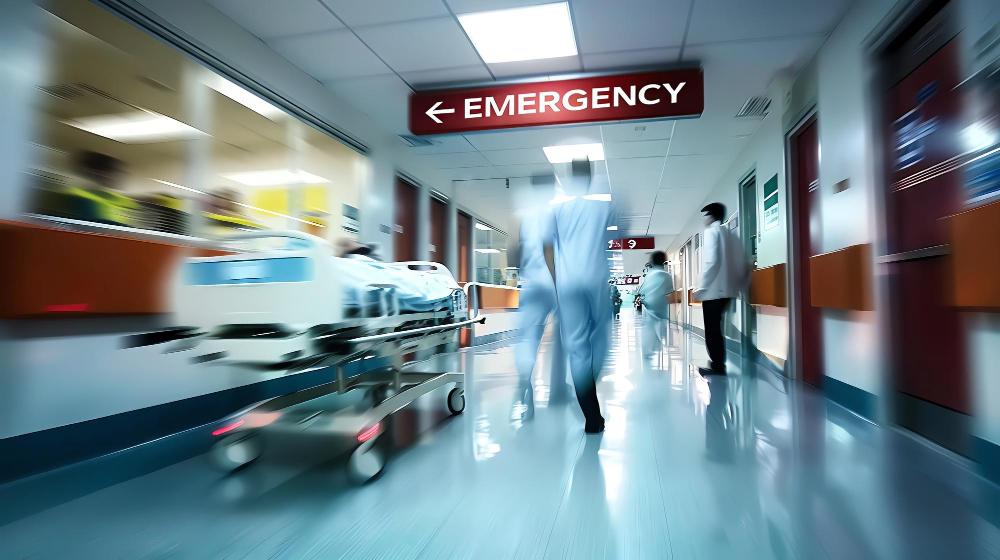
Stepping into the emergency ward for the first time can be intimidating. If you’re wondering how to handle emergency cases as a junior doctor, you’re not alone. Every intern and fresh MBBS graduate faces that moment when theory meets real-life chaos.
Patients arrive in critical condition, relatives are anxious, and decisions need to be made fast. The good news is that with the right approach, you can manage emergencies effectively without feeling lost.
Let’s break it down into practical, real-world steps that actually work during duty hours.
Understanding the Reality of Emergency Rooms
Emergency departments in India are often fast-paced and resource-constrained. You might have:
- Multiple patients at once
- Limited senior supervision at odd hours
- Pressure from patient relatives
- Time-sensitive decision-making
The key is not to know everything, but to know how to respond quickly and safely.
First Rule: Stay Calm and Think Clearly
In emergencies, panic is your biggest enemy.
Even if the situation looks chaotic, remind yourself:
“Stabilize first, diagnose later.”
A calm mindset helps you:
- Avoid mistakes
- Communicate clearly
- Prioritize correctly
Take a deep breath before acting, even if it’s just for a second.
Follow the ABCDE Approach Every Time
One of the most reliable frameworks in emergency care is the ABCDE approach. According to guidelines from the World Health Organization and emergency medicine protocols, this method ensures no critical step is missed.
A – Airway
Check if the airway is open.
- Look for obstruction
- Listen for abnormal sounds
- Clear airway if needed
B – Breathing
Assess breathing immediately.
- Respiratory rate
- Oxygen saturation
- Use oxygen support if required
C – Circulation
Check pulse, BP, and perfusion.
- Control bleeding
- Start IV access
- Give fluids if necessary
D – Disability
Quick neurological check.
- Consciousness level
- Pupil reaction
- Blood glucose
E – Exposure
Expose patient for full examination.
- Look for hidden injuries
- Maintain patient dignity
You can read more about structured emergency assessment on WHO emergency care guidelines (https://www.who.int/teams/integrated-health-services/emergency-care) and MedlinePlus (https://medlineplus.gov/).
Learn the Art of Triage
In a busy Indian hospital, you won’t treat patients one by one. You’ll prioritize.
Triage means identifying:
- Who needs immediate attention
- Who can wait
- Who needs referral
Golden tip:
Always attend to life-threatening conditions first, not the loudest patient.
Communicate Clearly With Seniors
You are not expected to handle everything alone.
A common mistake junior doctors make is delaying escalation.
When calling a senior, be precise:
- Patient age and condition
- Vital signs
- What you’ve already done
- What you need help with
This structured communication saves time and builds trust.
Keep Emergency Drugs and Equipment Ready
Preparation can save lives.
Before your shift:
- Check crash cart
- Know where emergency drugs are
- Be familiar with equipment like oxygen masks, suction, defibrillator
In emergencies, seconds matter. You don’t want to waste time searching for adrenaline or IV sets.
Focus on Common Emergency Cases First
As a junior doctor, you don’t need to master everything on day one.
Start by becoming confident in common cases:
- Road traffic accidents
- Acute asthma attacks
- Cardiac emergencies
- Poisoning cases
- Dehydration and shock
Reliable references like Medscape (https://www.medscape.com/) and NIH (https://www.nih.gov/) can help you deepen your understanding.
Documentation Is Just as Important
In the middle of chaos, documentation often gets ignored.
But it is crucial for:
- Legal protection
- Continuity of care
- Communication between teams
Always write:
- Time of admission
- Initial findings
- Treatment given
- Response to treatment
If it’s not documented, it didn’t happen.
Handling Pressure From Patient Relatives
This is a reality in Indian hospitals.
Relatives may panic, question your decisions, or demand immediate results.
Here’s what helps:
- Stay polite but firm
- Give brief updates
- Avoid medical jargon
- Involve seniors if needed
Confidence in your communication often reduces conflict.
Read More – How to Handle Difficult Patients as a Doctor
Learn From Every Case
No matter how stressful the shift was, take time to reflect.
Ask yourself:
- What went well?
- What could I improve?
- Did I miss anything?
Emergency medicine is learned on the floor, not just from books.
Take Care of Yourself Too
Burnout is real, especially during internship.
- Eat on time
- Stay hydrated
- Take short breaks when possible
A tired doctor is more likely to make mistakes.
Your well-being directly impacts patient care.
Final Thoughts
Understanding how to handle emergency cases as a junior doctor is less about memorizing textbooks and more about developing a systematic, calm, and practical approach.
You will feel overwhelmed in the beginning, and that’s completely normal. With each shift, your confidence will grow.
Remember:
You don’t need to be perfect. You just need to be prepared, attentive, and willing to learn.
FAQ SECTION
What is the first thing a junior doctor should do in an emergency?
Start with the ABCDE approach to assess airway, breathing, circulation, disability, and exposure. Stabilization always comes first.
How can junior doctors reduce panic during emergencies?
Practice structured approaches, stay calm, and focus on one step at a time. Experience also plays a major role in building confidence.
Is it okay to call a senior doctor frequently?
Yes, absolutely. Early escalation is better than delayed action, especially in critical cases.
What are the most common emergencies faced by interns?
Trauma, respiratory distress, cardiac issues, poisoning, and dehydration are among the most common cases.
How important is documentation in emergency cases?
Very important. It ensures continuity of care and provides legal protection for the doctor.