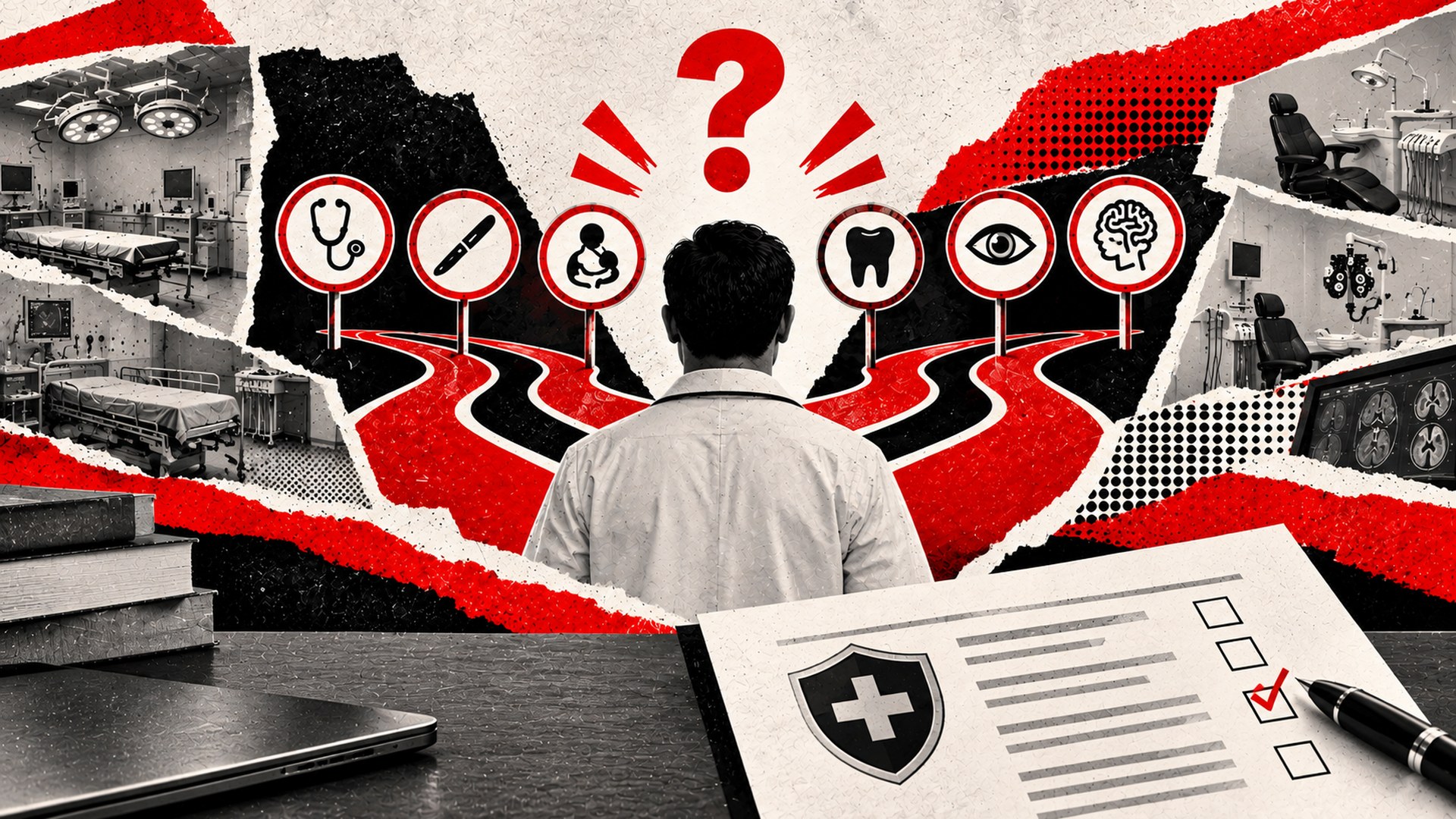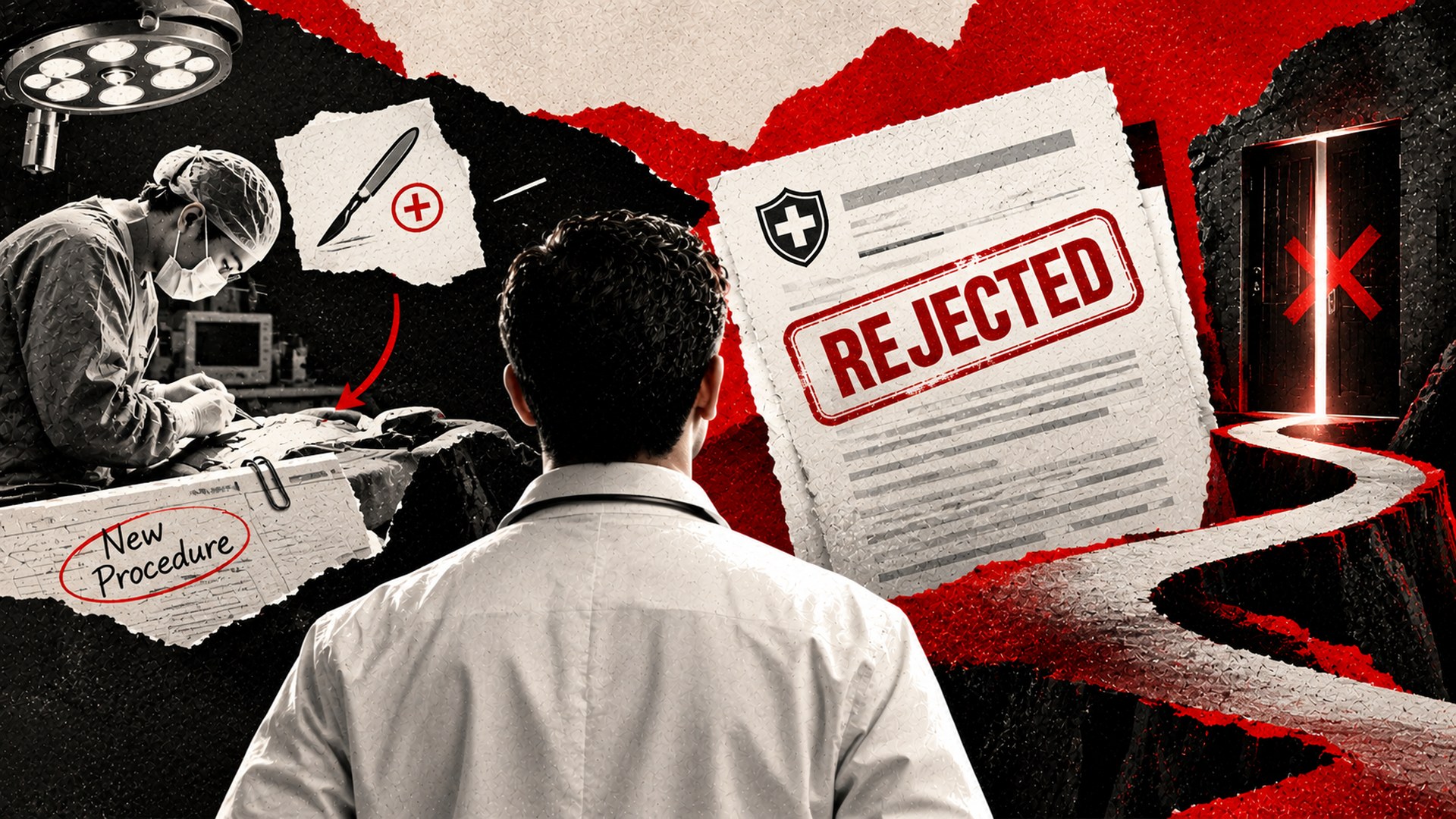

Understanding the common mistakes new doctors make can save you years of frustration, stress, and unnecessary professional setbacks in your early career. Medical college teaches you anatomy, pharmacology, and pathology, but it rarely prepares you for the messy, unpredictable reality of being a real doctor in a real hospital.
The first year of practice is a brutal learning curve. You will make mistakes. Every doctor does. The trick is not to avoid mistakes completely, because that is impossible, but to recognize the common ones early so you don’t repeat them for years.
Whether you are a fresh MBBS graduate in Delhi, a junior resident in Chennai, or a new consultant in a smaller town, this guide will walk you through the most frequent errors young Indian doctors make, and exactly how to avoid them.
Why New Doctors Struggle More Than They Should
Indian medical training is academically rigorous but practically limited. You spend years mugging up textbooks and clearing exams, only to discover that real patients don’t present like MCQs.
Add to that:
- Long work hours with very little rest
- Unclear mentorship in many hospitals
- Pressure from families, seniors, and patients
- Fear of judgement if you ask “too many” questions
- A culture that often glorifies overwork
This environment sets up even the brightest young doctors to fumble. The National Library of Medicine has highlighted how junior physicians are particularly vulnerable to clinical, emotional, and communication-related errors during their first two years.
The problem is rarely the doctor. It is usually the lack of awareness about what to watch out for.
Clinical Mistakes That Happen Way Too Often
Let’s start with the mistakes that directly affect patients. These are the ones that cause the most sleepless nights.
1. Not Taking a Thorough History
Many new doctors rush through history-taking because the OPD is crowded, or because they think the diagnosis is “obvious.” Big mistake.
A missed history is often a missed diagnosis.
- Always ask about associated symptoms, not just the main complaint
- Don’t skip past medical and drug history
- Ask about allergies every single time
- In women, ask menstrual and obstetric history when relevant
- Confirm medications patients are actually taking, not just what was prescribed
2. Skipping the Basics of Examination
In the era of MRIs and CT scans, many juniors forget that a proper physical exam still catches things scans miss.
- Auscultate properly, even on “stable” patients
- Check vitals yourself, don’t just trust the chart
- Palpate the abdomen carefully in pain cases
- Examine the limbs in suspected stroke or DVT
- Never examine a patient in a dark room or rushed setting
3. Over-Investigating Without Thinking
Ordering every test possible is not good medicine. It is expensive, anxiety-inducing, and often confusing.
- Ask yourself: “How will this test change my management?”
- Avoid shotgun panels without clinical suspicion
- Interpret results in context of the patient, not in isolation
- Don’t repeat tests unnecessarily just because the result is “borderline”
4. Missing Early Warning Signs
Deterioration rarely happens suddenly. It is usually missed signals, subtle shifts in vitals, or small patient complaints that were ignored.
- Respect changes in respiratory rate, it is the earliest sign of deterioration
- Take patient complaints seriously, even when they sound vague
- Trust the nurse when they say “Doctor, something feels off”
- Reassess sick patients every few hours, not just once per shift
In medicine, small things catch the biggest problems.
Communication Mistakes That Quietly Damage Careers
Most medico-legal cases in India happen because of poor communication, not bad clinical skill.
5. Speaking in Medical Jargon
Patients don’t understand “You have an idiopathic dilated cardiomyopathy with reduced ejection fraction.” They understand “Your heart muscle is weak, and we need to strengthen it with medicine and lifestyle changes.”
- Use simple, local language wherever possible
- Avoid abbreviations when talking to families
- Draw diagrams if it helps
- Check understanding by asking them to repeat the plan
6. Not Updating Families Regularly
Indian families are deeply involved in patient care. They want to be informed, reassured, and involved.
- Update families at least once a day in ward settings
- Communicate early if plans change
- Give honest but hopeful explanations
- Don’t disappear during long surgeries without a message
7. Taking Consent as a Formality
A signature on a consent form is not consent. A real conversation is.
- Explain the procedure, risks, and alternatives
- Give time for questions
- Confirm in the patient’s own language
- Document key points of the discussion
8. Mishandling Angry Patients or Relatives
Shouting back at an angry family member is a fast track to a complaint letter or worse.
- Acknowledge emotions first, facts second
- Take them to a quiet area to talk
- Involve security calmly if things escalate
- Never argue in a public corridor
Career Mistakes That Hurt You Long Term
These are the invisible mistakes that don’t cause clinical harm but hurt your growth.
9. Not Negotiating Your First Salary
Many new doctors accept the first offer out of fear. This sets their baseline pay for years.
- Research market salaries before interviews
- Understand gross vs in-hand pay
- Ask about allowances, leaves, and CME benefits
- Always request a written offer letter
10. Ignoring Contract Terms
Bond periods, non-compete clauses, notice periods, and on-call obligations matter more than you think.
- Read every contract line by line
- Ask about private practice permissions
- Clarify indemnity insurance coverage
- Don’t sign under pressure, ever
11. Not Investing in Continuing Education
Medicine evolves rapidly. Doctors who stop learning after MBBS or MD stagnate quickly.
- Subscribe to at least one quality journal
- Attend CMEs and workshops regularly
- Join online learning platforms
- Build a habit of reading guidelines (NICE, ICMR, national protocols)
The Indian Council of Medical Research regularly updates evidence-based guidelines that every young Indian doctor should know.
12. Neglecting Documentation
Poor notes are one of the biggest reasons young doctors face legal trouble.
- Document every patient interaction
- Note what was discussed during consent
- Record times of assessment and intervention
- Avoid writing personal comments or sarcasm
If it is not written, it did not happen.
Personal Mistakes That Lead to Burnout
Your career is not separate from your body and mind. These personal errors silently damage your long-term growth.
13. Skipping Sleep and Meals Regularly
You cannot run a clinical marathon on biscuits and chai forever.
- Protect your sleep like a patient’s vitals
- Eat at least two proper meals a day
- Drink water consistently
- Take short breaks during long shifts
14. Ignoring Mental Health
Many Indian doctors treat therapy as a last resort. It shouldn’t be.
- Notice emotional exhaustion early
- Talk to a therapist before things escalate
- Don’t use alcohol or substances as coping tools
- Stay connected with friends outside medicine
15. Comparing Yourself Constantly With Peers
LinkedIn posts, fellowships abroad, six-figure salaries, every week someone seems to be “ahead” of you.
- Your timeline is your own
- Growth in medicine is slow and cumulative
- Focus on one year from now, not five years
- Celebrate small wins privately
Professional Boundary Mistakes
Young doctors often blur boundaries without realizing the long-term impact.
- Giving free consultations on WhatsApp at odd hours
- Prescribing for family members without proper examination
- Sharing patient cases publicly on social media
- Mixing friendships with professional relationships
- Accepting gifts or favors that influence clinical decisions
Clear boundaries build long careers. Blurred ones build regret.
How to Actually Learn From Mistakes
Mistakes are unavoidable, but repeated ones are unacceptable. Here is how to grow from them.
- Maintain a small learning log of errors and lessons
- Discuss mistakes with mentors you trust
- Attend morbidity and mortality meetings seriously
- Ask for feedback regularly, not once a year
- Separate the mistake from your identity as a doctor
You are not your worst shift. You are your response to it.
Final Thoughts
Knowing the common mistakes new doctors make is not about being scared of medicine. It is about walking into your career informed, humble, and prepared. Every senior consultant you admire was once exactly where you are, fumbling through ward rounds, forgetting drug doses, miscommunicating with patients, and learning the hard way.
The good news? You don’t have to learn every lesson the hard way. Take the shortcuts that awareness gives you. Protect your patients, your reputation, and your sanity from day one.
Medicine is a lifelong profession. Make your early years a foundation, not a series of scars. You have chosen one of the most meaningful careers in the world. Now give yourself the patience, structure, and self-respect to grow into a doctor you will be genuinely proud of.
Frequently Asked Questions
What is the most common clinical mistake junior doctors make?
Rushing through history-taking and physical examination. Most missed diagnoses in early practice come from incomplete histories, not lack of knowledge.
How can new doctors reduce medico-legal risk?
Clear communication, proper informed consent, honest documentation, and timely family updates significantly reduce medico-legal exposure.
Is it okay to ask seniors many questions as a fresh doctor?
Absolutely. The smartest junior doctors are the ones who ask respectful, specific questions rather than pretending to understand.
How do I handle a mistake I made at work?
Acknowledge it honestly, inform your senior, document accurately, and focus on learning. Hiding mistakes is always worse than reporting them.
Should new doctors negotiate their first salary?
Yes. Your starting salary sets the baseline for your entire early career. Research market rates and negotiate respectfully.
How can junior doctors avoid burnout in their first year?
Protect sleep, eat properly, maintain hobbies, stay connected with non-medical friends, and seek therapy if needed. Burnout is preventable with early awareness.