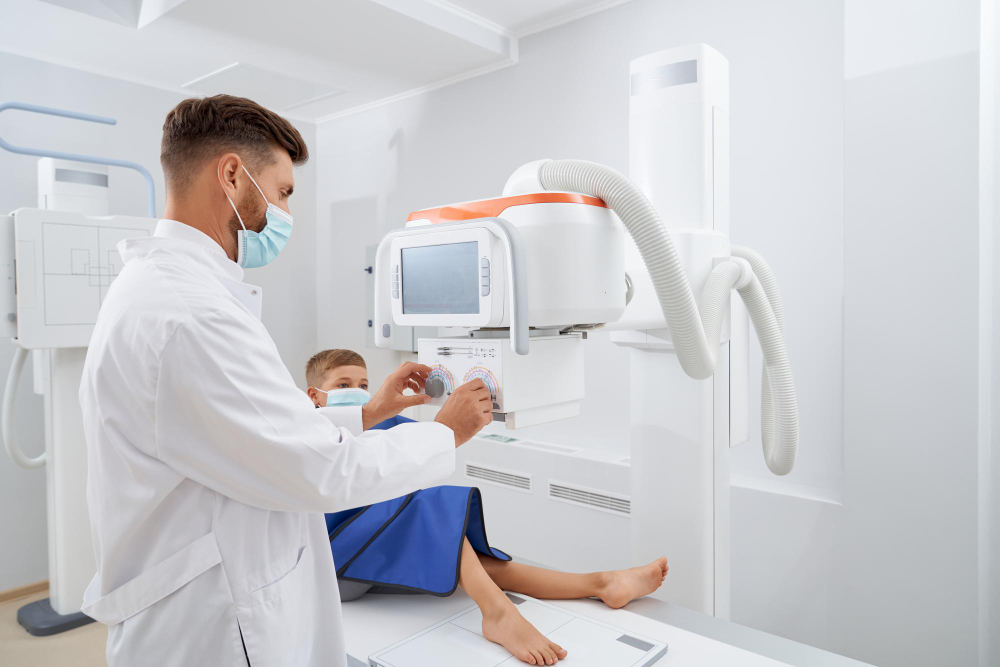


Walk into any clinic and you can instantly feel whether it builds trust or not. Patients don’t just judge doctors by qualifications anymore. They judge the space, comfort, hygiene, and overall experience. And that’s exactly where clinic interior design tips for better conversions come into play.
A well-designed clinic doesn’t just look good. It increases patient trust, reduces anxiety, and improves booking conversions.
Let’s break down how you can design your clinic to actually convert visitors into loyal patients.
Why Interior Design Impacts Clinic Conversions
Most clinic owners focus on marketing, ads, and visibility. But once a patient walks in, the real decision happens inside your clinic.
According to a study by the National Institutes of Health, healthcare environments directly impact patient stress and satisfaction levels: https://www.ncbi.nlm.nih.gov/pmc/articles/PMC6366814/
This means:
- A cluttered clinic creates doubt
- Poor lighting increases discomfort
- Unorganized spaces reduce trust
On the other hand:
- Clean layouts build credibility
- Comfortable seating improves waiting experience
- Thoughtful design makes patients feel safe
Your clinic design is your silent salesperson.
First Impressions Start at the Entrance
The moment a patient enters, they subconsciously decide whether they trust your clinic.
What you should focus on:
- Clean and well-lit entrance
- Clear signage with your clinic name
- Minimal clutter near reception
- A welcoming desk layout
Think of it like a hotel lobby. If it feels premium, patients assume your service is premium too.
Waiting Area Design That Reduces Anxiety
Waiting areas are where patients spend the most time. A poorly designed waiting area can lead to frustration and drop-offs.
Improve your waiting area with:
- Comfortable seating with proper spacing
- Neutral and calming colors like beige, light blue, or green
- Soft background music
- Reading material or digital screens
Research from Harvard Health Publishing highlights how environment affects patient stress levels: https://www.health.harvard.edu/blog/how-your-surroundings-affect-your-health-2018070614153
A calm patient is more likely to trust and return.
Optimize Clinic Layout for Smooth Flow
A confusing clinic layout leads to chaos.
Patients should never feel lost inside your clinic.
Key layout tips:
- Clearly separate reception, waiting, and consultation areas
- Ensure smooth movement without crowding
- Avoid unnecessary partitions
- Maintain privacy in consultation rooms
A simple rule:
If a first-time patient can navigate easily, your layout works.
Lighting Can Change Patient Perception
Lighting is often ignored, but it has a huge psychological impact.
Use lighting strategically:
- Natural light wherever possible
- Warm lighting in waiting areas
- Bright white light in consultation rooms
- Avoid harsh or flickering lights
Good lighting makes your clinic feel hygienic, modern, and trustworthy.
Use Colors That Build Trust
Colors influence emotions more than you think.
Best colors for clinics:
- Blue for trust and calmness
- Green for healing and balance
- White for cleanliness and simplicity
Avoid:
- Overly bright or aggressive colors
- Too many color combinations
Consistency in color builds brand identity.
Maintain Hygiene Visibility
Patients don’t just expect cleanliness. They want to see it.
Make hygiene visible:
- Keep sanitizers easily accessible
- Use clean and minimal surfaces
- Avoid overcrowded decor
- Regularly clean high-touch areas
Post-pandemic, patients are highly aware of hygiene standards. Clinics that show it clearly gain more trust.
Add Subtle Branding Elements
Your clinic should feel like a brand, not just a space.
Simple branding ideas:
- Logo on walls or reception desk
- Consistent color theme
- Staff uniforms matching brand colors
- Branded prescription pads
Strong branding improves recall and patient loyalty.
Technology Integration for Modern Experience
Modern patients expect convenience.
Add tech where it matters:
- Digital appointment screens
- Online check-in systems
- QR code payments
- Automated reminders
According to a report by McKinsey & Company, digital healthcare adoption is rapidly growing: https://www.mckinsey.com/industries/healthcare/our-insights
Clinics that adopt technology feel more professional and efficient.
Small Touches That Make a Big Difference
Sometimes, it’s the little things that convert patients.
Add these finishing touches:
- Indoor plants for a fresh feel
- Pleasant fragrance in the clinic
- Charging points in waiting areas
- Drinking water availability
These small efforts show that you care about patient comfort, not just treatment.
Common Mistakes to Avoid
Even well-intentioned designs can fail.
Avoid these mistakes:
- Overcrowding furniture
- Ignoring patient privacy
- Using cheap materials that wear out quickly
- Poor ventilation
A bad experience once can cost you repeat patients forever.
Final Thoughts
Designing your clinic is not just about aesthetics.
It’s about creating an experience that builds trust, comfort, and confidence.
By applying these clinic interior design tips for better conversions, you’re not just improving your space, you’re improving your patient journey.
And in today’s competitive healthcare space, that’s what truly sets you apart.
FAQ SECTION
How does clinic interior design affect patient conversion?
A well-designed clinic builds trust, reduces anxiety, and creates a positive experience, which directly increases patient bookings and retention.
What colors are best for clinic interiors?
Calming colors like blue, green, and white work best as they promote trust, healing, and cleanliness.
Is interior design important for small clinics?
Yes, even small clinics benefit from good design. Smart layouts and clean aesthetics can significantly improve patient perception.
How much should I invest in clinic interior design?
You don’t need a huge budget. Focus on cleanliness, lighting, layout, and patient comfort for maximum impact.
Can interior design improve patient retention?
Absolutely. Patients are more likely to return to clinics where they feel comfortable, safe, and valued.