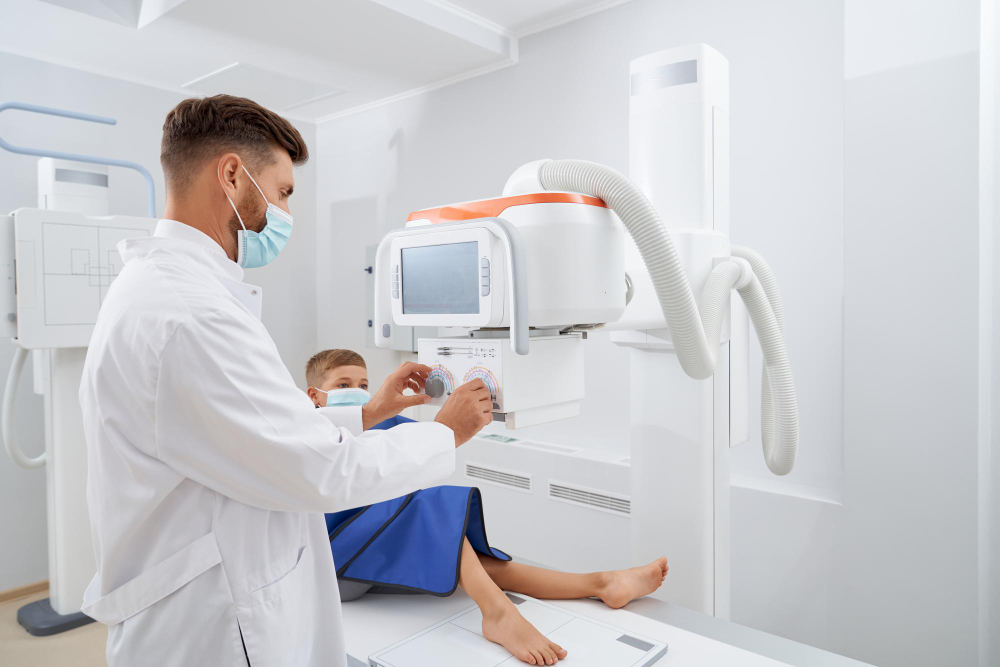


Starting your journey as a doctor is exciting, but let’s be honest, it can also feel overwhelming. Beyond diagnosis and treatment, one of the biggest challenges is learning how to build trust as a new doctor. Trust is not something that comes automatically with your degree, it is something you earn through everyday interactions.
Patients in India often rely heavily on their doctor’s words, behavior, and confidence. A trusted doctor not only improves patient satisfaction but also leads to better treatment outcomes. So, how do you actually build that trust from day one?
Let’s break it down into practical, real-world strategies you can start using immediately.
Why Trust Matters More Than You Think
Trust is the foundation of the doctor patient relationship. When patients trust you, they are more likely to:
- Follow your treatment plan
- Share complete and honest information
- Return for follow-ups
- Recommend you to others
According to the World Health Organization, effective communication between healthcare providers and patients improves adherence and health outcomes (https://www.who.int).
In simple terms, trust directly impacts your success as a doctor.
Master Clear and Simple Communication
One of the fastest ways to build trust is through clear communication. Medical jargon may sound impressive, but it often confuses patients.
What you should do:
- Use simple, everyday language
- Explain the diagnosis step by step
- Tell patients what to expect next
- Encourage questions
For example, instead of saying “hypertension,” say “your blood pressure is higher than normal.”
The National Institutes of Health also emphasizes that patient friendly communication improves satisfaction and compliance (https://www.nih.gov).
Key insight: Patients trust doctors who make them feel informed, not intimidated.
Practice Active Listening
Many new doctors focus on speaking more and listening less. That’s a mistake.
When a patient talks, they are not just sharing symptoms, they are sharing concerns, fears, and expectations.
How to listen effectively:
- Maintain eye contact
- Avoid interrupting
- Nod or acknowledge their concerns
- Repeat key points to confirm understanding
Sometimes, just listening properly can build more trust than prescribing medicines.
Show Empathy, Not Just Expertise
You may be clinically strong, but patients connect emotionally first.
Empathy is not about long speeches. It is about small gestures:
- Saying “I understand this must be difficult for you”
- A calm and reassuring tone
- Being patient with anxious individuals
Research published by Harvard Health shows that empathetic doctors have better patient relationships and outcomes (https://www.health.harvard.edu).
Remember: People may forget what you said, but they will remember how you made them feel.
Be Honest and Transparent
Trust breaks instantly when patients feel misled.
If you are unsure about something, it is okay to say so. In fact, it increases credibility.
Instead of guessing, say:
- “I want to run a few tests before confirming”
- “Let me consult a senior for the best approach”
Being transparent about costs, risks, and treatment options also builds long-term trust, especially in the Indian healthcare system where patients are cost conscious.
Maintain Professional Consistency
Consistency is what converts first time patients into loyal ones.
This includes:
- Being punctual
- Giving equal attention to every patient
- Following up when needed
- Keeping records properly
When patients see predictable, reliable behavior, they feel safe.
Trust is not built in one visit, it is built over repeated positive experiences.
Improve Your Body Language
Non-verbal communication plays a huge role in how patients perceive you.
Positive body language tips:
- Sit at eye level with the patient
- Avoid constantly looking at your phone or screen
- Keep an open posture
- Smile when appropriate
Even a technically sound doctor can lose trust if their body language feels cold or disinterested.
Respect Patient Time and Concerns
In busy OPDs, it is tempting to rush consultations. But even a few extra seconds of attention can make a big difference.
Small actions that matter:
- Greet the patient politely
- Acknowledge their waiting time
- Summarize the consultation before ending
These small gestures create a big perception of care.
Build Credibility Beyond the Clinic
In today’s digital world, patients often search for doctors online before visiting.
You can build trust even before the first consultation by:
- Sharing educational content on social media
- Writing simple health tips
- Maintaining a professional online profile
This positions you as a reliable and knowledgeable doctor, even at an early stage of your career.
Keep Learning and Updating Yourself
Medicine evolves constantly. Patients trust doctors who stay updated.
Attend workshops, read journals, and follow guidelines from trusted sources like:
When you apply updated knowledge in practice, it reflects in your confidence and patient outcomes.
Common Mistakes to Avoid as a New Doctor
Even small mistakes can damage trust early in your career.
Avoid these:
- Being overconfident without experience
- Ignoring patient concerns
- Using complicated medical language
- Rushing consultations
- Avoiding eye contact
Awareness of these mistakes is the first step to improving.
Final Thoughts
Learning how to build trust as a new doctor is just as important as learning clinical skills. It is a continuous process that improves with experience, awareness, and genuine care. If you focus on communication, empathy, honesty, and consistency, trust will follow naturally. At the end of the day, patients are not just looking for treatment, they are looking for someone they can rely on.
And that someone can be you.
FAQ SECTION
Frequently Asked Questions
How long does it take to build trust as a new doctor?
Trust can start building from the very first consultation, but it strengthens over multiple positive interactions.
Can communication skills really impact patient trust?
Yes, clear and simple communication is one of the most important factors in building patient trust.
Is it okay to admit uncertainty to patients?
Absolutely. Being honest about uncertainty actually increases credibility and trust.
How can introverted doctors build trust?
By focusing on listening, empathy, and clear communication. You do not need to be extroverted to be trusted.
Does online presence help in building trust?
Yes, a professional online presence can create initial credibility even before the first visit.