

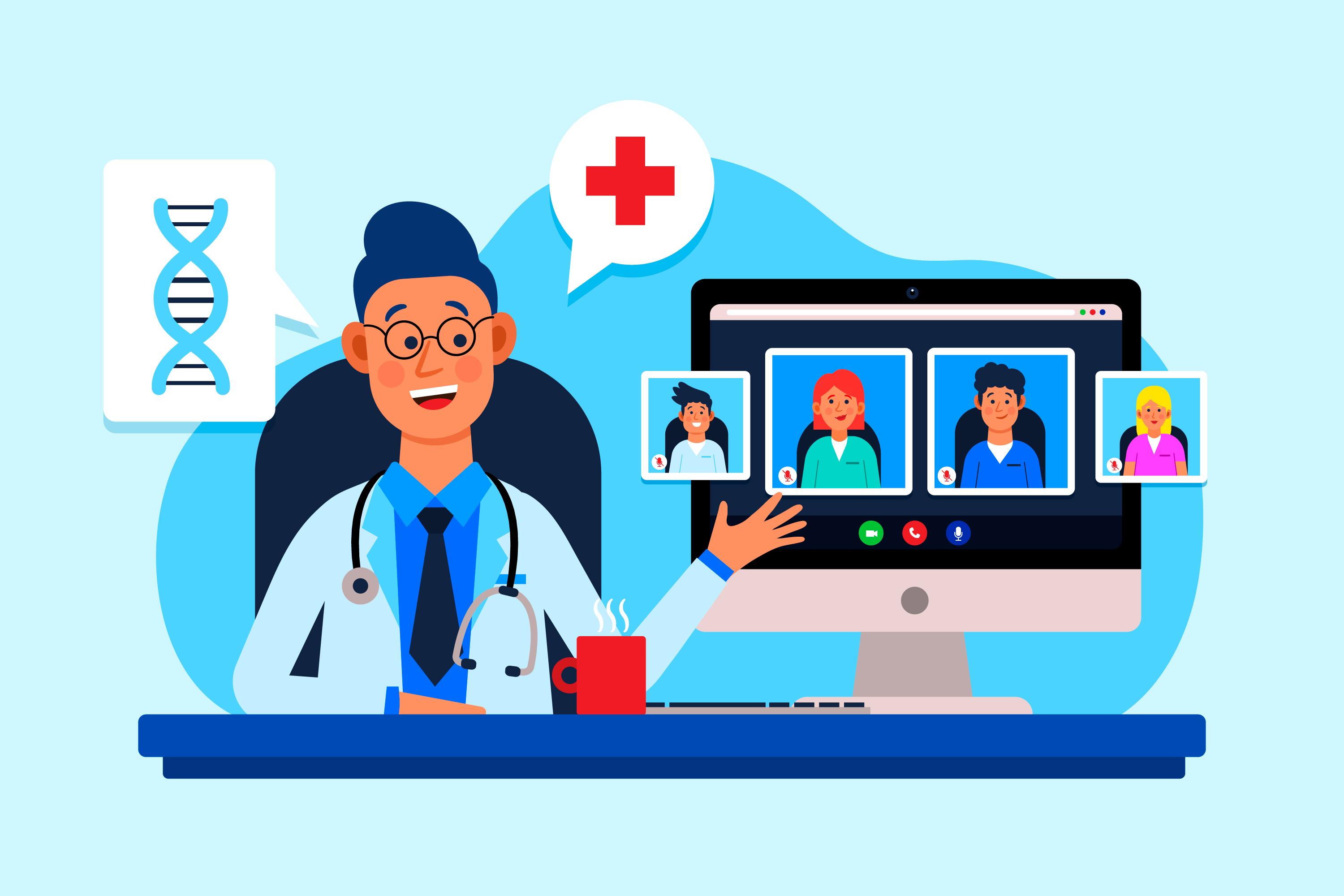
Exploring telemedicine jobs for doctors in 2026 can open flexible, rewarding, and future-ready career options for Indian physicians who want to blend traditional clinical practice with the power of digital healthcare. A few years ago, the idea of consulting patients through a screen felt experimental, even unprofessional to some. Fast forward to today, and virtual consultations are a permanent, respected, and rapidly growing part of Indian medicine.
Whether you are a fresh MBBS graduate in Pune, a junior resident in Delhi, a consultant in Kerala, or a senior specialist looking for additional income, telemedicine now offers genuine, full-fledged career opportunities. But like every new frontier, it comes with its own rules, platforms, challenges, and best practices.
This guide breaks down exactly how telemedicine works in India today, what kinds of jobs are available, how much you can earn, and how to build a sustainable virtual practice alongside your clinical career.
Why Telemedicine Is Here to Stay
Post-pandemic, telemedicine went from being a backup option to a mainstream pillar of Indian healthcare. The shift has been powered by:
- Nationwide smartphone and internet penetration
- Government regulations legitimizing virtual consults
- Rising chronic disease burden needing continuous care
- Huge rural and semi-urban populations underserved by specialists
- Convenience-seeking urban patients wanting faster access
- Hospitals expanding digital arms aggressively
According to the Ministry of Health and Family Welfare, India’s eSanjeevani platform alone has already delivered hundreds of millions of teleconsultations, making it one of the largest public telemedicine systems in the world.
Telemedicine is not a side show anymore. It is a major stage.
What Are Telemedicine Jobs for Doctors?
Telemedicine jobs involve providing medical care remotely, usually through video calls, phone consultations, chat-based platforms, or integrated digital health apps.
Common tasks include:
- Online OPD consultations
- Follow-up visits for chronic patients
- Prescription refills and medication management
- Preventive health consultations
- Specialist second opinions
- Mental health counseling
- Health screenings and risk assessments
- Emergency triage for non-life-threatening conditions
You still practice real medicine. You just practice it through a different medium.
Legal Framework for Telemedicine in India
Before jumping into any telemedicine job, every Indian doctor must understand the rules.
Key Guidelines to Know
- The National Medical Commission has issued formal Telemedicine Practice Guidelines that every practicing physician should follow.
- You must be a registered medical practitioner in India.
- You must maintain proper digital documentation, including consent and prescription records.
- You cannot prescribe certain restricted drugs purely on teleconsults.
- Emergencies usually require in-person referral, not telemedicine alone.
- You must identify the patient clearly before initiating any virtual consult.
Working within the legal framework protects both your patients and your career.
Types of Telemedicine Jobs for Doctors
Let’s break down the real opportunities available in 2026.
1. Full-Time Telemedicine Physician Jobs
Many digital health platforms now hire doctors for dedicated, full-time virtual OPD roles.
- Platforms: Practo, Apollo 24×7, Tata 1mg, MediBuddy, HealthPlix, Lybrate
- Pay Structure: Fixed monthly salary or per-consultation payouts
- Work Hours: Shift-based, usually flexible
- Ideal For: Young doctors looking for stable income with flexibility
2. Part-Time Telemedicine Jobs
Perfect for doctors who already practice in a clinic or hospital and want additional income.
- 2 to 4 hours of daily online consultations
- Weekend-only virtual OPDs
- Evening or early morning shift options
- Ideal for balancing hospital and digital practice
3. Corporate Hospital Telemedicine Wings
Leading hospital chains now run their own telehealth wings.
- Apollo 24×7
- Fortis Home Healthcare
- Max My Health
- Manipal Virtual Clinics
- Narayana Virtual OPDs
These offer structured roles with clear protocols, documentation support, and patient flow.
4. Government and Public Health Telemedicine
Platforms like eSanjeevani allow doctors to contribute to national rural healthcare initiatives.
- Excellent for academic and public health-minded doctors
- Structured timings
- Strong impact, moderate pay
- Opportunities to work with state health missions
5. International Telemedicine Jobs
Indian doctors with additional licensing or recognized credentials can now consult for:
- Gulf-based digital health platforms
- UK and US-based Indian diaspora patients
- International chronic care and wellness brands
- Global second-opinion platforms
6. Specialty-Specific Telehealth Platforms
There is rising demand for specialists in virtual-first care:
- Diabetology and endocrinology
- Mental health (platforms like MindPeers, Lissun, Amaha)
- Dermatology and cosmetology
- Nutrition and lifestyle medicine
- Pediatrics and adolescent care
- Sexual health and reproductive medicine
7. Your Own Virtual Practice
Many doctors today build their own independent digital practices using tools like:
- Google Meet or Zoom (with secure storage)
- Digital prescription software
- Payment gateways (Razorpay, Instamojo)
- Their own websites or Instagram-driven clinics
- Scheduling tools like Calendly
Your patient community can exist beyond the four walls of a hospital.
Skills You Need for Successful Telemedicine Practice
Telemedicine is more than just a video call. It requires a specific skill set.
1. Strong Communication Skills
Without a physical exam, your words, tone, and listening ability become your main diagnostic tools.
- Active listening
- Clear explanations
- Managing patient expectations
- Handling anxious or skeptical patients
2. Digital Literacy
- Comfort with video platforms
- Managing documentation digitally
- Handling e-prescriptions safely
- Using EMRs efficiently
- Understanding basic data privacy
3. Clinical Reasoning Under Limited Exam
You must be excellent at:
- Asking the right questions
- Recognizing when in-person review is essential
- Avoiding over-diagnosis or under-diagnosis
- Managing chronic conditions remotely
4. Professional Demeanor on Camera
- Dress professionally
- Maintain eye contact with the camera
- Ensure clean, well-lit backgrounds
- Speak at a moderate pace
- Avoid distractions during consults
Remember, virtual patients are judging you within the first 30 seconds.
How Much Can Doctors Earn in Telemedicine?
Income varies widely based on experience, specialty, platform, and effort. Here are approximate ranges in India.
- Fresh MBBS doctor: ₹25,000 to ₹60,000 per month (part-time or early-stage)
- Junior Consultant: ₹50,000 to ₹1.2 lakh per month
- Experienced Specialist: ₹1.5 lakh to ₹4 lakh per month
- High-performing independent practitioners: ₹5 lakh per month or more
Many doctors also earn per consultation, which can range from ₹150 to ₹1,000+ depending on platform and specialty.
Telemedicine income scales with quality, consistency, and reputation, not just hours.
Benefits of Telemedicine Jobs for Doctors
This model offers real, tangible advantages.
- Location flexibility (work from anywhere in India or abroad)
- Flexible shift timings
- Additional income alongside clinical practice
- Reduced exposure to hospital infections
- Reach patients in underserved areas
- Better work-life balance when managed well
- Gateway to building a long-term personal brand
For female doctors, post-maternity doctors, or physicians living in tier-2 and tier-3 cities, telemedicine has become a genuine career lifeline.
Challenges You Should Be Aware Of
Telemedicine is rewarding, but not without its difficulties.
- No physical examination in most cases
- Network issues and connectivity problems
- Patient adherence and follow-up challenges
- Documentation and medico-legal exposure
- Emotional fatigue from back-to-back virtual cases
- Patients expecting instant replies at odd hours
- Pricing pressure from highly competitive platforms
According to research shared by the World Health Organization, while telemedicine is transforming global care delivery, it also requires strong regulation, ethical practice, and continuous clinical vigilance.
Be aware, be prepared, and you will thrive.
How to Get Started with Telemedicine in India
Here is a practical step-by-step roadmap.
1: Ensure Your Registration is Valid
Confirm your NMC and state council registrations are up to date.
2: Read the Telemedicine Practice Guidelines
Download and study the official guidelines from the NMC and MoHFW websites.
3: Choose a Platform That Suits You
Evaluate based on:
- Pay structure
- Patient volume
- Specialty alignment
- Support systems
- Documentation tools
- Reputation in the industry
4: Start Small and Structured
Begin with 2 to 3 hours a day, understand workflows, and slowly expand.
5: Keep Records Properly
- E-consent
- Prescription copies
- Consultation notes
- Follow-up schedules
6: Invest in a Professional Setup
- Quality webcam and microphone
- Stable internet connection
- Clean, quiet consultation space
- Reliable laptop or tablet
- Secure cloud storage
7: Build Your Reputation Over Time
- Provide consistent, empathetic care
- Encourage feedback and reviews
- Share knowledge on social media professionally
- Nurture long-term patient relationships
Tips to Succeed in Telemedicine as a Doctor
- Be punctual. Patients judge you on time management.
- Listen more than you speak. Virtual patients often feel unheard in person.
- Use simple language. Avoid jargon entirely.
- Document meticulously. Assume every consult could be reviewed later.
- Respect your own time. Don’t reply to patients at 2 AM unless it is a true emergency service.
- Stay updated. Telemedicine tools and guidelines evolve rapidly.
- Don’t chase volume blindly. Protect your energy for sustainable practice.
Common Mistakes to Avoid
- Consulting without proper identification of the patient
- Prescribing restricted drugs against guidelines
- Skipping digital documentation
- Overcommitting hours and burning out
- Joining too many platforms simultaneously
- Ignoring patient follow-ups
- Treating telemedicine as a “casual” practice
Telemedicine deserves the same seriousness as your hospital OPD, maybe even more.
Final Thoughts
The world of telemedicine jobs for doctors in India has grown from an experimental niche into a serious, structured, and future-proof career path. Whether you want a full-time remote practice, a flexible side income, or a way to reach patients beyond geographical limits, the opportunities in 2026 are wider and more respectable than ever before.
Start small. Learn the platforms. Respect the guidelines. Build your reputation quietly. Protect your wellbeing while practicing across screens. Over time, you will not only earn better but also practice medicine in a way that is modern, scalable, and deeply patient-centered.
The stethoscope is no longer your only tool. Your laptop, your voice, your empathy, and your clinical reasoning are now your new clinic. Walk into it with preparation, humility, and ambition, and you will find one of the most exciting ways to shape the future of healthcare, one virtual consultation at a time.
Frequently Asked Questions
Are telemedicine jobs for doctors legal in India?
Yes. The National Medical Commission has issued formal Telemedicine Practice Guidelines that allow registered medical practitioners to offer virtual consultations under clear rules.
Can MBBS doctors do telemedicine in India?
Absolutely. MBBS doctors with valid registration can practice telemedicine, often starting with general OPD consultations on recognized platforms.
Which platforms offer telemedicine jobs for Indian doctors?
Popular platforms include Practo, Apollo 24×7, Tata 1mg, MediBuddy, HealthPlix, Lybrate, and government platforms like eSanjeevani.
How much can a doctor earn from telemedicine in India?
Earnings range from ₹25,000 per month for part-time fresh graduates to ₹5 lakh per month or more for senior specialists with strong reputations.
Can I do telemedicine alongside my hospital or clinic practice?
Yes. Many Indian doctors run clinical and telemedicine practices together for diversified income and better patient reach.
What equipment do I need for telemedicine consultations?
You need a reliable laptop or tablet, high-speed internet, a quality webcam and microphone, a clean consultation space, and secure digital documentation tools.