

Are you legally prepared for sudden hospital chaos? Medical emergencies demand split-second, highly stressful clinical decisions daily. However, operating under intense pressure carries massive hidden legal risks today. Discover exactly the legal protection in emergency cases you absolutely need. Protect your hard-earned medical license fiercely right now. Specifically, the Indian legal system views emergency care through a highly specific lens. Consequently, you must understand your exact professional duties and legal shields immediately.
The Absolute Duty to Treat
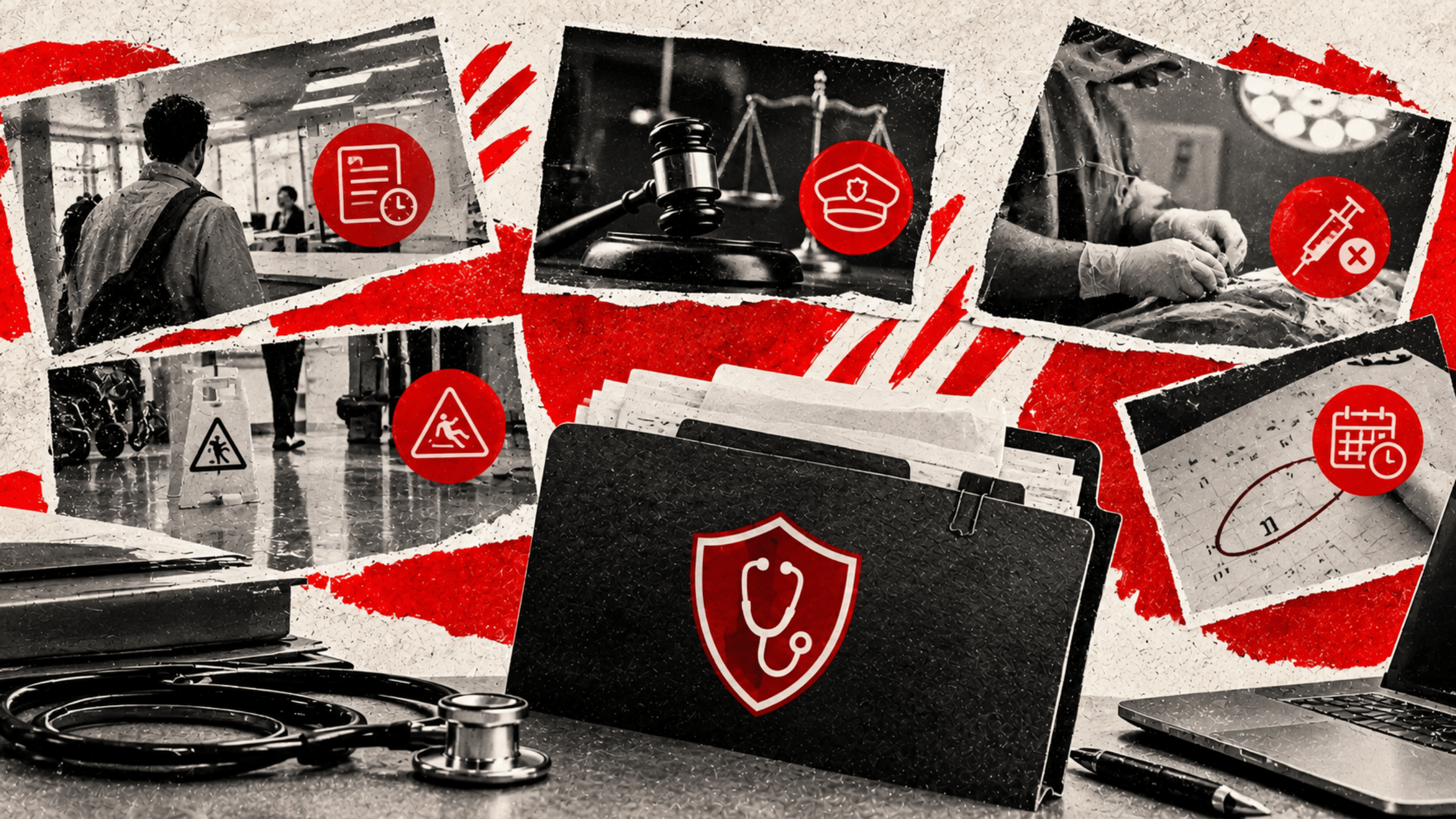
Indian law mandates that preserving human life is your absolute highest priority. Specifically, the landmark Parmanand Katara ruling by the Supreme Court of India established this permanently. Therefore, you cannot legally refuse immediate emergency treatment to any dying patient. Consequently, demanding police clearance before treating a severe accident victim is highly illegal. Understanding the legal protection in emergency cases begins with this fundamental duty. Furthermore, demanding advance financial deposits during acute crises invites severe legal punishment. You must provide basic life support (BLS) and stabilize the patient instantly. Conversely, turning them away simply for administrative convenience constitutes severe criminal negligence. Your clinical duty supersedes all bureaucratic hospital protocols entirely.
Implied Consent in Life-Threatening Crises
Standard surgical procedures require highly detailed, written patient consent constantly. However, acute medical emergencies alter these strict legal rules significantly. Specifically, if an actively dying patient arrives completely unconscious, implied consent instantly applies. Therefore, you can legally perform life-saving interventions without a signed paper. Navigating the legal protection in emergency cases requires knowing these exact exceptions perfectly. Furthermore, if panicked relatives are physically present, obtain verbal or quick written consent immediately. However, never delay immediate life-saving CPR simply to find a legal pen. Consequently, the law protects doctors acting in genuine good faith during dire emergencies. Record the exact emergency conditions explaining why formal consent was physically impossible later.
Managing Severe Resource Limitations
Small private clinics often lack massive intensive care infrastructure entirely. Specifically, what happens if a patient requires a ventilator you simply do not possess? Therefore, you must provide the absolute best stabilizing care locally possible. Consequently, arrange an immediate, highly safe transfer to a larger corporate hospital. Understanding the legal protection in emergency cases involves recognizing your exact infrastructural limits. Furthermore, document the severe lack of advanced medical resources highly meticulously. Therefore, local judges will understand why you initiated a mandatory patient transfer. Conversely, attempting complex critical care without proper equipment is legally suicidal today. Call for an advanced life-support ambulance without any hesitation.
Handling Medico-Legal Cases (MLC)
Trauma and poisoning emergencies frequently involve massive criminal elements. Specifically, these are categorized as strict Medico-Legal Cases (MLC) under Indian law. Therefore, you must notify the local police authorities promptly upon hospital admission. However, providing immediate clinical treatment always precedes filing official police reports. Utilizing the legal protection in emergency cases means balancing medicine and law flawlessly. Furthermore, you must preserve critical forensic evidence incredibly carefully. Never discard the patient’s torn clothing or extracted bullet fragments casually. Consequently, destroying vital forensic evidence ruins major police investigations entirely. Organizations like the National Medical Commission explicitly outline these strict MLC reporting protocols.
The Good Samaritan Law Dynamics
India recently introduced strong legal shields for citizens helping accident victims. Specifically, the Good Samaritan guidelines protect ordinary bystanders from police harassment. However, as a registered medical professional currently on active duty, your burden is much higher. Therefore, your clinical actions are judged against strict standard medical protocols. Understanding the legal protection in emergency cases clarifies your elevated professional responsibility. Furthermore, if you help a victim off-duty on the highway, Good Samaritan protections apply beautifully. Consequently, you will not face endless, grueling court cross-examinations simply for helping a dying stranger. The Ministry of Health and Family Welfare actively promotes these protective guidelines nationally.
Meticulous Post-Emergency Documentation
Emergency rooms are incredibly chaotic and highly disorganized naturally. Furthermore, writing detailed clinical notes during active CPR is completely physically impossible. Therefore, you must document the entire event immediately after the patient stabilizes. Specifically, record exact timestamps, specific drug dosages, and patient vitals meticulously. Consequently, your chronological written notes act as your ultimate legal armor. Mastering the legal protection in emergency cases demands exceptional retrospective documentation. Furthermore, document the specific names of all attending nurses and assisting junior doctors clearly. Conversely, relying entirely on your clinical memory months later during a massive lawsuit is terrifying. Your written words are your only reliable courtroom witness today.
Conclusion
Handling severe medical emergencies tests your ultimate clinical brilliance constantly. Furthermore, it drains your daily physical and mental energy massively. However, avoiding devastating courtroom disasters requires extreme legal discipline alongside medical skill. Therefore, audit your specific emergency room protocols this exact week completely. Consequently, you will practice critical care medicine highly safely and confidently. Mastering the legal protection in emergency cases secures your ultimate professional legacy. Stop treating highly critical patients while remaining legally ignorant today. Protect your brilliant medical practice proactively right now.
Frequently Asked Questions
Can I be arrested if a patient dies in the emergency room?
No. Specifically, established Supreme Court rulings prevent the routine arrest of doctors for standard clinical deaths. Therefore, police require an independent expert medical opinion before proceeding with any criminal negligence charges.
What if an unstable patient forcefully demands to leave?
Document their exact verbal refusal incredibly clearly. Furthermore, make them sign a strict Leave Against Medical Advice (LAMA) form in front of a neutral witness immediately. Consequently, you legally protect your practice entirely.
Am I legally bound to treat a violent patient in an emergency?
You must provide basic life-saving support. However, if the patient actively threatens your personal physical safety with a weapon, you must secure yourself first. Therefore, involve hospital security and local police instantly.
Does my indemnity insurance cover emergency room mistakes?
Yes. Specifically, comprehensive professional indemnity insurance covers clinical errors made during high-stress emergency treatments. Therefore, ensure your specific policy covers emergency medicine explicitly.