

Running a busy Indian clinic is incredibly exhausting. Consequently, managing massive crowds leaves absolutely zero room for error. You must understand the legal issues in OPD practice immediately.
Specifically, angry patients file frivolous consumer court cases constantly. Therefore, pure clinical brilliance cannot protect your medical license entirely. Furthermore, a single prescription mistake invites massive judicial trouble. Conversely, proactive legal planning secures your professional peace completely. Let us explore the absolute best defensive strategies today. You must protect your hard-earned career fiercely.
The Brutal Reality of Indian Clinics
Indian outpatient departments process staggering patient volumes daily. Specifically, the acute shortage of healthcare staff forces you to overwork endlessly. Therefore, severe clinical fatigue destroys your diagnostic accuracy rapidly.
Consequently, massive legal issues in OPD practice emerge precisely during these chaotic moments. You spend barely five minutes per individual consultation. Furthermore, missing a vital patient allergy triggers immediate medical negligence charges safely. The National Medical Commission (NMC) strictly regulates all professional clinical conduct natively. Therefore, you must engineer a highly resilient, foolproof clinical workflow immediately. You simply cannot afford any dangerous administrative oversights.
The Absolute Power of Flawless Documentation
Your daily medical paperwork is your ultimate courtroom shield. Specifically, incomplete patient charts invite massive legal trouble instantly. Therefore, documenting every single clinical step meticulously is completely vital.
Furthermore, mitigating these specific administrative traps demands immense discipline here. You must record patient complaints, exact clinical findings, and treatment plans clearly.
Implement these strict documentation habits immediately:
- Write Clearly: Avoid highly confusing medical abbreviations completely.
- Record Refusals: Document thoroughly when a patient explicitly refuses your prescribed treatment.
- Date and Time: Timestamp every single entry to prove chronological accuracy.
- Never Alter Records: Modifying old patient files triggers immediate criminal fraud charges safely.
Consequently, impeccable documentation wins complex medical lawsuits effortlessly. You literally write your own courtroom defense daily.
Mastering Informed Consent Protocols
Examining a patient without proper consent is absolutely fatal legally. Specifically, routine clinical examinations require simple implied consent natively. However, performing minor surgical procedures in the clinic demands explicit written consent.
Consequently, misunderstanding this boundary creates massive legal issues in OPD practice rapidly. Therefore, securing highly detailed written consent is strictly non-negotiable today. Furthermore, you must explain severe procedural risks highly proactively. The Indian Medical Association (IMA) actively advises doctors to document verbal consent clearly in the patient file. Consequently, flawless consent documentation protects your clinical career perfectly.
Prescribing Medications Safely and Legally
Writing a medical prescription carries immense legal weight continually. Specifically, illegible handwriting causes fatal pharmacy dispensing errors frequently. Therefore, writing prescriptions in capital letters is heavily advised today.
Furthermore, evaluating the most common legal issues in OPD practice highlights medication errors constantly. You must prescribe generic drug names whenever clinically possible. Consequently, clearly state the exact dosage, frequency, and treatment duration safely. Conversely, prescribing highly controlled narcotics without proper justification invites sudden police investigations rapidly. You must practice highly defensive, evidence-based medicine constantly.
Handling Sudden Outpatient Emergencies
Unexpected medical emergencies happen frequently inside busy waiting rooms. Specifically, a patient experiencing a massive cardiac arrest requires immediate resuscitation. Therefore, your primary legal duty is stabilizing the fragile human life instantly.
Consequently, ignoring critical emergencies to finish routine consultations is highly illegal. Understanding the critical legal issues in OPD practice requires mastering basic life support perfectly. You must stabilize the patient before transferring them safely to a tertiary hospital. Furthermore, documenting your exact emergency interventions shields you from massive negligence lawsuits entirely.
Managing Highly Aggressive Patient Relatives
Indian patient families are intensely emotional during medical crises. Consequently, they frequently project their massive fear onto frontline clinic doctors. Therefore, you must establish strict but highly empathetic clinic boundaries.
Specifically, managing clinical conflict involves de-escalating workplace violence completely. You must maintain absolute professional detachment always. Furthermore, actively listen to their deep concerns without ever raising your own voice. Conversely, arguing aggressively guarantees severe operational disaster rapidly. The World Health Organization (WHO) heavily emphasizes safe workplace environments for all global healthcare workers. Therefore, installing basic security cameras deters frivolous physical attacks effectively.
Securing Professional Indemnity Insurance
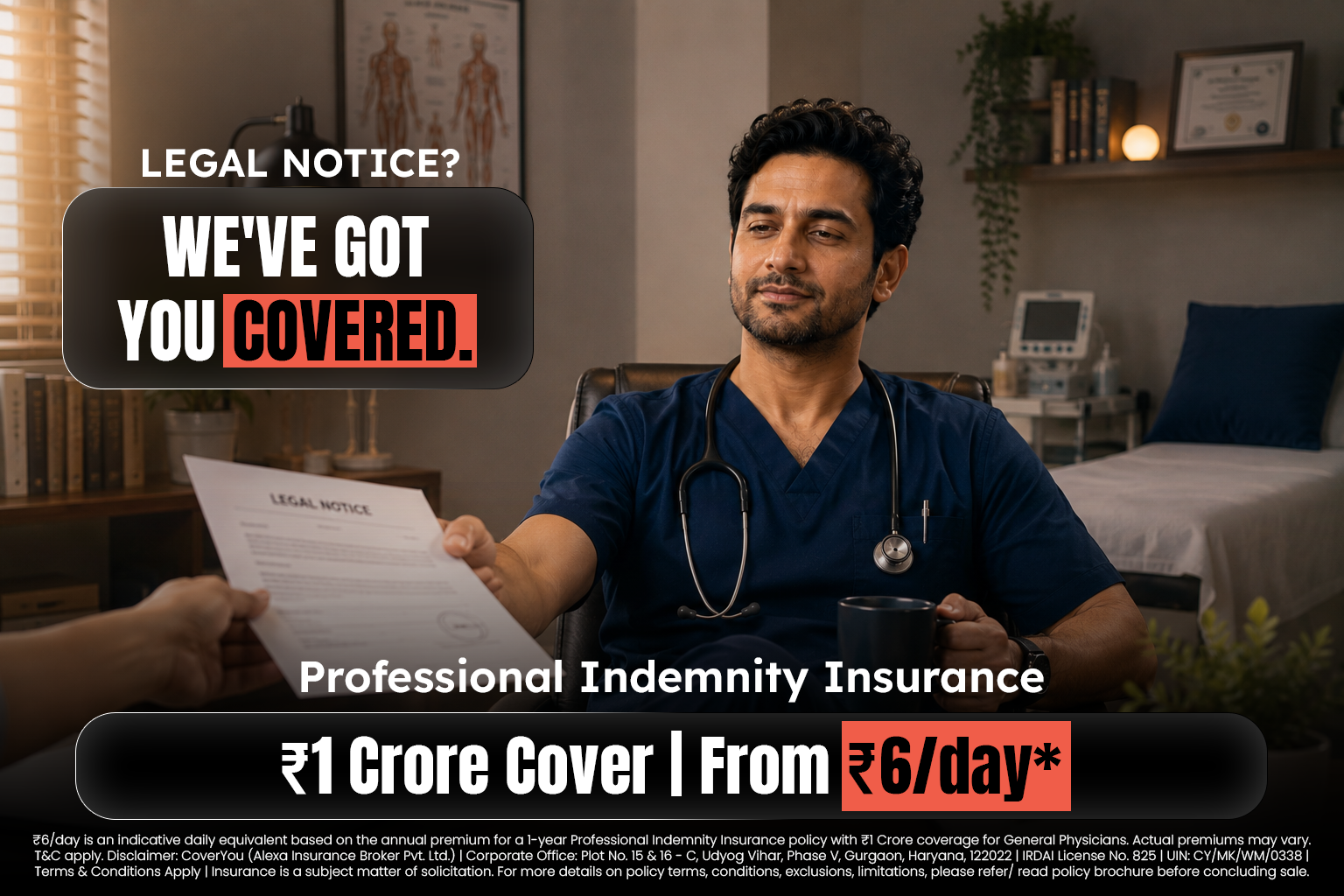
Fighting a massive legal battle requires immense financial stamina continually. Specifically, specialized healthcare lawyers charge astronomical consulting fees today. Therefore, securing robust professional indemnity insurance is completely mandatory.
Furthermore, navigating legal issues in OPD practice relies entirely on massive financial backing. You must understand exactly what your specific insurance policy covers entirely. Consequently, this premium insurance pays your expensive lawyer fees perfectly. It also covers the final financial compensation awarded to the patient safely. Therefore, you must update your financial coverage limits every single year securely.
Making Your Final Defensive Move
Your prestigious medical degree represents incredible personal sacrifice natively. Therefore, do not let an avoidable administrative error steal your vital professional joy. Specifically, deeply mastering the legal issues in OPD practice secures your future safely.
Aligning your daily practice with strict legal boundaries guarantees total professional peace. Furthermore, consult specialized medical defense lawyers to review your private clinic protocols annually. You truly deserve a highly respected, incredibly efficient, and deeply secure clinical journey. Start protecting your medical clinic today.
FAQ SECTION
Why are legal issues in OPD practice increasing so rapidly in India?
Patients are highly informed about their consumer rights today. Consequently, aggressive compensation laws incentivize patient families to file massive lawsuits for minor clinical complications. Therefore, strict accountability prevents fatal medical negligence effectively but drives up daily clinical stress immensely.
Does professional indemnity insurance cover severe criminal medical negligence?
No. Professional indemnity insurance covers civil liabilities and massive financial compensations entirely. However, it absolutely does not protect you from criminal police prosecution. Therefore, adhering strictly to clinical ethics is your ultimate legal shield continuously.
What is the absolute most common reason Indian doctors get sued in the OPD?
Poor patient communication causes the most massive legal lawsuits globally. Specifically, failing to explain severe treatment risks or appearing highly arrogant triggers immense patient anger. Consequently, deep clinical empathy prevents massive legal trouble safely.
How do I legally protect myself during a severe outpatient emergency?
You must prioritize saving the fragile human life first. However, you must document every single resuscitation effort meticulously immediately afterward. Furthermore, communicating the critical patient status to the family highly transparently prevents future legal misunderstandings entirely.