
Are you still relying entirely on episodic clinic visits? Checking a patient’s vital signs once every three months is completely insufficient today. Furthermore, dangerous chronic diseases develop incredibly rapidly between these sparse physical consultations. Discover exactly how wearable technology is changing patient care right now. Mastering highly advanced mobile data systems guarantees your clinical practice remains incredibly relevant and highly profitable globally. Specifically, wearable medical devices provide a continuous, highly objective stream of vital health data. Consequently, you can completely transform your entire diagnostic approach today. Indian corporate hospitals are heavily investing in remote monitoring infrastructure this exact year. Conversely, doctors refusing this massive technological wave will face severe professional obsolescence soon. Master this inevitable digital medical revolution today.
The Shift from Reactive to Predictive Medicine
Historically, medicine relied entirely on patients physically reporting severe symptoms. Specifically, doctors reacted only after a massive medical crisis actually occurred. However, this outdated reactive model costs countless Indian lives annually. Therefore, wearable technology shifts the paradigm toward intense predictive medicine completely. Consequently, smart devices capture millions of physiological data points highly securely every single day. Furthermore, predictive AI algorithms analyze this massive data pool instantly. Understanding how wearable technology is changing patient care highlights this incredible preventive power. Therefore, smartwatches detect sudden, subtle vital sign drops hours before a physical collapse. Consequently, you can intervene highly proactively with life-saving medications instantly. Stop practicing purely reactive, late-stage medicine today.
Revolutionizing Continuous Cardiac Monitoring
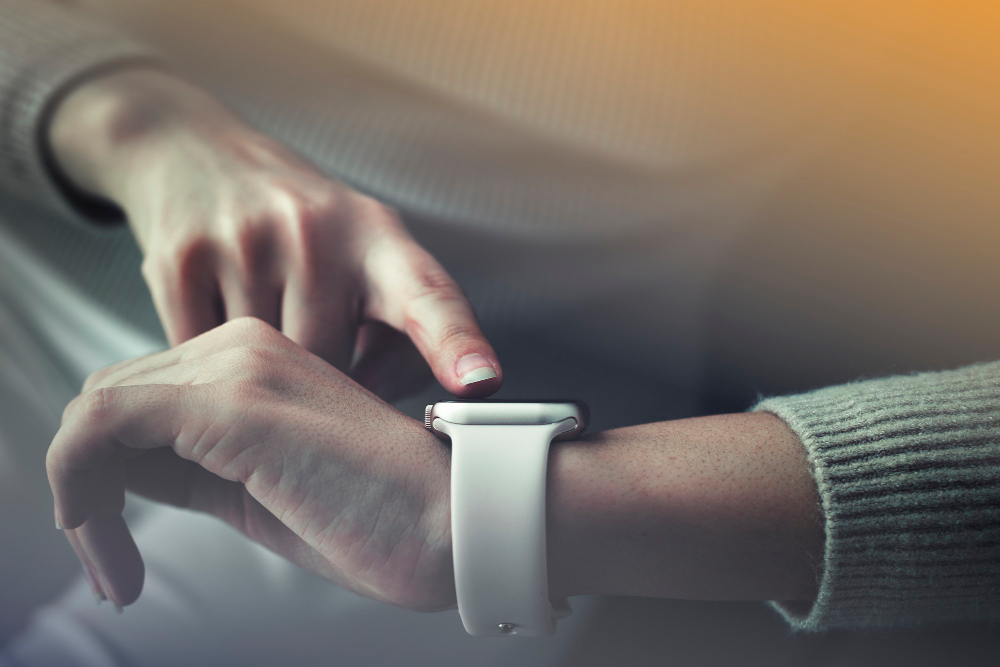
Cardiac emergencies require absolute split-second diagnostic decisions constantly. Specifically, transient arrhythmias like atrial fibrillation are incredibly difficult to catch clinically. Therefore, patients often exhibit perfectly normal ECGs during standard physical clinic visits. Consequently, modern smartwatches equipped with clinical-grade ECG sensors are absolute game-changers. Exploring how wearable technology is changing patient care reveals massive cardiovascular benefits today. Furthermore, these wearables continuously monitor the patient’s exact heart rhythm silently in the background. Therefore, the device alerts both the patient and the physician immediately upon detecting severe irregularities. The World Health Organization heavily endorses continuous digital cardiac monitoring globally today. Consequently, deadly strokes caused by undiagnosed atrial fibrillation drop incredibly fast across your patient base.
Transforming Diabetes Management with CGMs
India currently battles a massive, highly dangerous epidemic of severe diabetes. Specifically, traditional glucose monitoring requires deeply painful, highly tedious daily finger pricking. Therefore, patient compliance regarding strict blood sugar tracking is incredibly low locally. Consequently, Continuous Glucose Monitors (CGMs) are completely revolutionizing Indian endocrinology today. Furthermore, these tiny wearable skin sensors transmit real-time glucose data directly to mobile smartphones. Evaluating how wearable technology is changing patient care shows incredible diabetic control. Therefore, patients clearly see how specific local foods spike their blood sugar instantly. Consequently, they make highly informed, immediate dietary adjustments independently. Furthermore, the CGM alerts you instantly if the patient experiences severe, life-threatening nocturnal hypoglycemia.
Enhancing Post-Operative Surgical Recovery
Sending highly vulnerable patients home after complex surgery is incredibly nerve-wracking constantly. Specifically, sudden post-operative infections often develop entirely unnoticed initially. Therefore, medical-grade wearable biosensors provide an incredible clinical safety net today. Consequently, patients wear comfortable digital patches that track core temperature and exact respiratory rates continuously. Understanding how wearable technology is changing patient care extends your clinical supervision massively. Furthermore, if a patient’s temperature spikes dangerously at midnight, your clinic dashboard alerts you instantly. Therefore, you can prescribe aggressive antibiotics before a fatal sepsis outbreak actually happens. Consequently, massive hospital readmission rates drop incredibly fast using intelligent monitoring. Your surgical success rates will absolutely skyrocket this year.
Tackling the Silent Mental Health Epidemic
Mental health disorders are highly subjective and incredibly difficult to quantify clinically. Specifically, depressed patients often underreport their severe symptoms during brief clinical interviews. Therefore, advanced wearables provide highly objective mental health metrics today. Consequently, smart rings track exact deep sleep cycles and highly precise Heart Rate Variability (HRV). Analyzing how wearable technology is changing patient care highlights massive psychiatric upgrades. Furthermore, consistently low HRV strongly indicates severe chronic psychological stress and deep clinical depression. Therefore, psychiatrists can monitor the exact physiological effectiveness of newly prescribed anti-depressants. Consequently, adjusting psychiatric medication dosages becomes highly data-driven and incredibly precise. You no longer rely entirely on vague patient mood journals today.
Empowering Maternal and Fetal Healthcare
High-risk pregnancies require intense, continuous medical supervision constantly. Specifically, rural Indian women face massive geographical barriers regarding frequent specialized hospital checkups. Therefore, specialized maternal wearables completely bridge this dangerous geographical divide today. Consequently, wearable abdominal belts monitor both maternal contractions and precise fetal heart rates remotely. Exploring how wearable technology is changing patient care secures massive obstetric safety. Furthermore, this critical data streams securely to urban gynecologists in absolute real-time. Therefore, doctors can detect sudden fetal distress hours before the mother physically travels to the hospital. Organizations like NITI Aayog heavily prioritize this massive digital rural expansion continuously. Consequently, devastating infant mortality rates drop incredibly fast across remote villages.
Integrating Wearable Data into EMR Systems
A brilliant wearable device is completely useless if its data sits entirely isolated. Specifically, massive streams of raw physiological data easily overwhelm busy human physicians. Therefore, intelligent data integration is absolutely critical right now. Consequently, top-tier wearables sync their specific insights directly into the main hospital Electronic Medical Record (EMR). Mastering how wearable technology is changing patient care requires flawless software interoperability constantly. Furthermore, the EMR system’s internal AI filters out useless digital noise perfectly. Therefore, it only generates clinical alerts for truly dangerous, highly abnormal physiological trends. Consequently, your overall clinical workflow remains highly streamlined and incredibly fast everywhere. You must demand seamless API integrations from your medical software vendors constantly.
Navigating DPDP Act Privacy Compliance
Patient physiological data is incredibly sensitive legally today. Specifically, continuous wearable tracking creates massive hidden privacy vulnerabilities constantly. Therefore, the new Digital Personal Data Protection (DPDP) Act imposes massive financial penalties now. Consequently, you must obtain highly explicit, written digital consent before monitoring any patient remotely. Understanding how wearable technology is changing patient care demands intense legal cybersecurity awareness. Furthermore, ensure the specific wearable manufacturing company utilizes highly secure, heavily encrypted Indian cloud servers exclusively. Reading strict digital privacy guidelines from the National Medical Commission is absolutely mandatory today. Therefore, you protect your physical clinic from devastating cyber lawsuits entirely. Conversely, a massive digital data breach via an unsecured wearable device destroys your medical career permanently.
Establishing Clear Legal Clinical Boundaries
Remote patient monitoring introduces highly complex new legal liabilities constantly. Specifically, who holds formal responsibility if a patient’s smartwatch alerts a heart attack at 3:00 AM? Therefore, Indian courts dictate that establishing clear medical boundaries is absolutely vital. Consequently, you must explicitly inform patients that wearable monitoring is not an immediate emergency response service. Navigating how wearable technology is changing patient care requires strict legal disclaimers constantly. Furthermore, your digital consent forms must instruct patients to visit the physical emergency room during acute crises. Therefore, you legally protect your practice from impossible 24/7 continuous liability expectations. Document these exact legal boundaries highly meticulously within every single patient file today.
The Massive Financial ROI of Remote Monitoring
Purchasing premium wearable devices requires a small initial financial investment today. However, the long-term return on investment is absolutely incredible constantly. Specifically, continuous remote monitoring allows you to launch highly lucrative monthly subscription models. Therefore, chronic disease patients pay a fixed monthly retainer for your continuous digital oversight. Evaluating how wearable technology is changing patient care is a brilliant overall business strategy. Furthermore, preventing severe emergency hospitalizations saves massive amounts of money for local insurance companies. Reviewing technology financial reports from Forbes Healthcare proves this massive economic benefit entirely clearly. Therefore, view intelligent wearable integration as a highly powerful revenue-generating asset entirely. Stop treating clinical applications as a completely unnecessary business expense today.
Conclusion
The Indian medical landscape is digitizing at a truly blistering pace right now. Furthermore, technological mobile adaptation is absolutely no longer completely optional for basic clinical survival. Therefore, integrate verified wearable health devices into your clinical practice this exact week. Consequently, you will practice medicine highly efficiently and incredibly safely everywhere. Understanding exactly how wearable technology is changing patient care protects your brilliant legacy completely. Stop fearing the inevitable digital future entirely today. Start commanding massive physiological data highly proactively right now. Your future patients actively demand modern, technologically advanced care constantly. Step bravely into the incredibly exciting future of predictive digital medicine today. Your brilliant clinical journey absolutely requires modern digital tools immediately.
Frequently Asked Questions
Are commercial smartwatches accurate enough for clinical medical use?
Many are incredibly accurate today. Specifically, premium devices from Apple or Garmin feature FDA-cleared and locally approved ECG and pulse oximetry sensors. However, they are officially classified as clinical screening tools, never definitive diagnostic replacements entirely.
How do I convince older Indian patients to use wearable technology?
Focus entirely on absolute simplicity. Specifically, prescribe wearables that require absolutely zero technical setup from the patient. Consequently, devices that sync automatically via built-in cellular networks are absolutely perfect for non-technical elderly demographics.
Can I legally charge patients a monthly fee for monitoring their wearable data?
Yes, absolutely. Furthermore, offering continuous remote patient monitoring (RPM) as a premium monthly subscription package is highly lucrative and entirely legal under current Indian telemedicine guidelines.
Will monitoring wearable data increase my daily clinical burnout?
No, if implemented correctly. Specifically, you must rely on advanced EMR algorithms to filter the massive data streams. Therefore, you only review critical, pre-filtered digital alerts rather than staring at endless physiological graphs manually all day.
Do Indian medical insurance companies cover the cost of wearable devices?
Increasingly, yes. Furthermore, progressive insurance providers actively subsidize continuous glucose monitors for severe diabetics today. Consequently, they realize that funding a wearable prevents massively expensive emergency hospitalizations later.
What happens if the wearable device malfunctions and misses a dangerous cardiac event?
You are generally legally protected if you established clear written boundaries beforehand. Specifically, the manufacturer holds primary product liability for mechanical failures. Therefore, always prescribe highly reputable, officially certified medical-grade wearables exclusively.