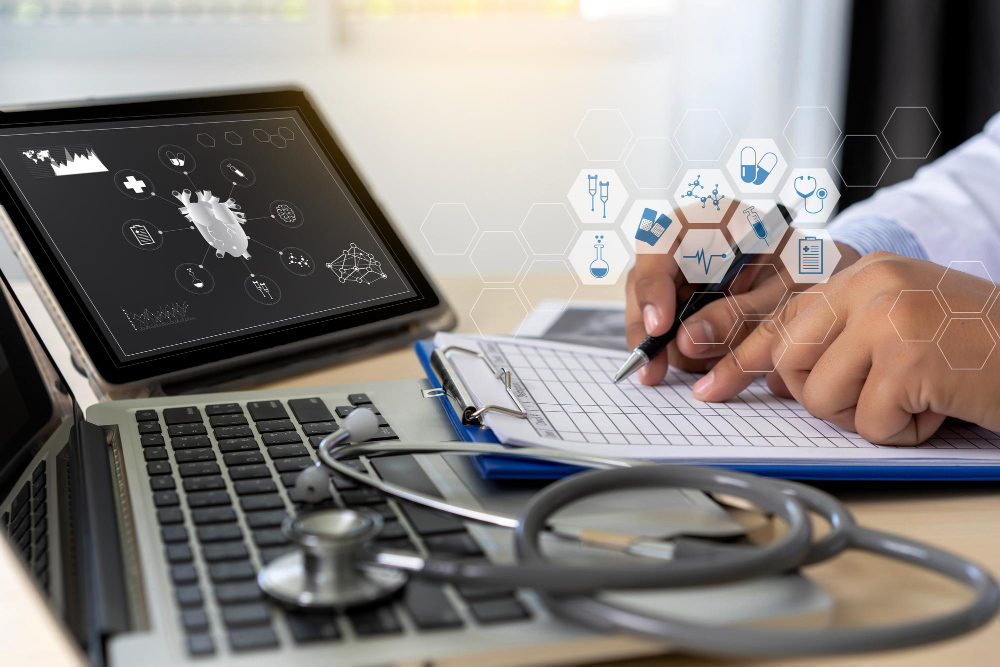

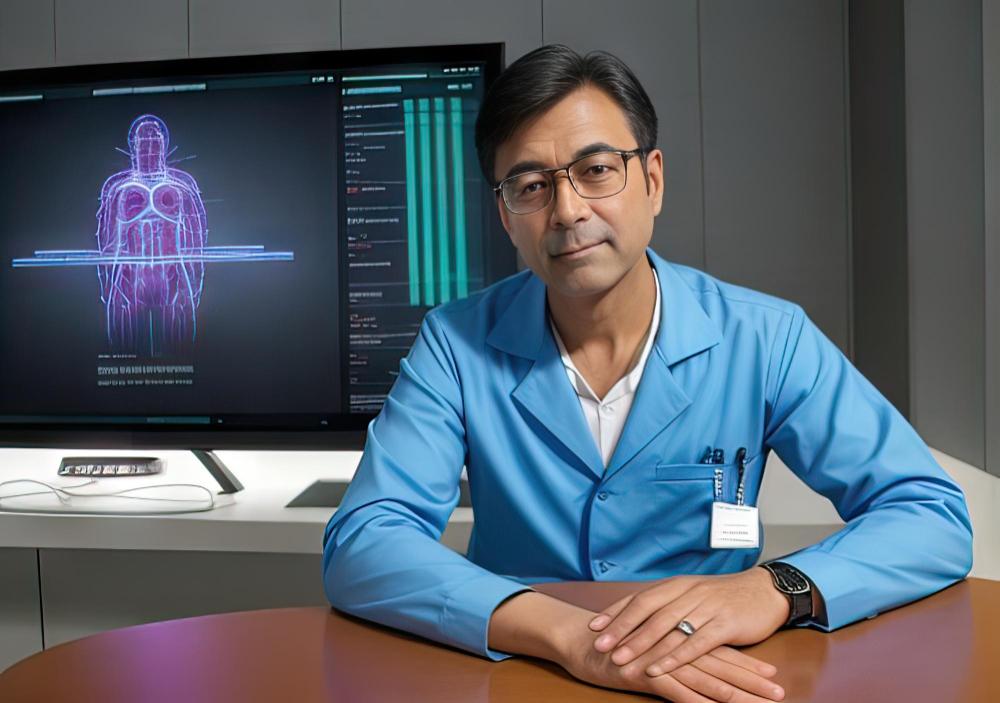
Healthcare is evolving at an unprecedented speed. Specifically, technology is completely reshaping how doctors treat patients. Therefore, AI in Indian clinics is no longer a distant dream. It is a daily reality right now. Consequently, patients experience faster diagnoses and safer treatments. Furthermore, medical professionals can manage massive workloads efficiently. Let us explore how this technology changes everything.
The Massive Shift Toward Digital Healthcare
India faces highly unique medical challenges. Specifically, the doctor to patient ratio remains incredibly low. Consequently, urban hospitals are constantly overcrowded. However, artificial intelligence offers a powerful solution. Furthermore, smart tools bridge the massive gap between demand and supply. Doctors can now process complex information incredibly fast. Therefore, patient care improves dramatically across the entire nation.
Faster and Smarter Diagnostics
Accurate diagnosis is the fundamental foundation of good healthcare. Previously, doctors waited days for complex test results. Conversely, AI algorithms now scan medical images in mere seconds. Specifically, tools analyze X-rays, MRIs, and CT scans instantly. Therefore, early detection of severe diseases like tuberculosis becomes highly possible. Consequently, critical treatment begins immediately. AI in Indian clinics spots subtle disease patterns that human eyes might miss. Furthermore, this extreme precision significantly boosts patient survival rates.
Bridging the Rural Healthcare Gap
Rural citizens often lack basic access to specialized doctors. However, advanced technology is actively breaking down these geographical barriers. Specifically, AI powered portable devices are entering remote villages today. Health workers use smart mobile applications for preliminary screening. Therefore, patients receive expert advice without traveling to distant cities. Furthermore, integrating these tools democratizes high quality healthcare. The eSanjeevani telemedicine platform successfully connects millions of rural patients to urban specialists. Consequently, remote care is now a highly viable reality.
Real World Applications Saving Lives
Theoretical technology is good, but practical application saves lives. AI in Indian clinics operates seamlessly in the background. Specifically, smart systems continuously monitor patient vital signs. Therefore, intensive care units become much safer environments.
-
Constant tracking of heart rates and oxygen levels.
-
Instant alerts sent directly to nursing stations.
-
Automated calculation of correct fluid intake.
Empowering Doctors with Predictive Analytics
Prevention is always far better than cure. Furthermore, predictive analytics make preventive care highly effective. AI systems analyze historical electronic health records rapidly. Consequently, they predict potential health crises before they even happen. Specifically, complex algorithms calculate the risk of sudden heart attacks. Therefore, doctors can proactively alter treatment plans immediately. Conversely, traditional medicine often reacts only after severe symptoms appear. According to the World Health Organization, digital health interventions drastically improve public health outcomes globally.
Personalizing Patient Treatment Plans
Every human body reacts differently to strong medication. However, standard clinical treatments often ignore these crucial individual differences. AI in Indian clinics changes this generic approach completely. Specifically, machine learning studies genetic profiles and past medical history closely. Therefore, doctors can prescribe highly personalized medication dosages accurately. Consequently, patients suffer from far fewer adverse side effects. Furthermore, patient recovery times shorten significantly.
Slashing Administrative Burdens
Doctors spend countless hours on tedious daily paperwork. Consequently, they spend less actual time with their sick patients. However, artificial intelligence automates these repetitive administrative tasks seamlessly. Specifically, natural language processing tools transcribe clinical notes instantly. Therefore, medical staff focus entirely on genuine human interaction. AI in Indian clinics handles appointment scheduling and smart billing efficiently. Furthermore, this rapid automation radically reduces costly human errors in hospital administration.
Enhancing Medication Management
Prescription errors routinely cause severe medical complications. Conversely, smart digital systems cross-check prescriptions against a patient history instantly. Specifically, the software alerts doctors about potential allergic reactions immediately. Therefore, patient safety remains the highest priority at all times. Furthermore, automated mobile reminders help patients take their medicines strictly on time. Consequently, medical treatment compliance improves dramatically across the board.
The Role of Startups and Government
Rapid innovation requires strong support and vital funding. Fortunately, the Indian health tech startup ecosystem is booming rapidly. Specifically, local companies develop incredibly affordable diagnostic AI tools. Therefore, small independent clinics can easily purchase these advanced systems. Furthermore, strong government initiatives encourage this vital digital transformation. Official programs heavily promote the rapid digitization of medical records. Consequently, the entire healthcare infrastructure becomes highly connected. High quality care is no longer restricted to luxury corporate hospitals. AI in Indian clinics is successfully penetrating tier two and tier three cities.
Tackling Infectious Diseases
India constantly battles various widespread infectious diseases. However, artificial intelligence provides a powerful new weapon. Specifically, algorithms predict disease outbreaks by analyzing vast public data sets. Therefore, local clinics can prepare their medical inventory well in advance. Furthermore, AI tools drastically accelerate the mass screening process for diseases. Consequently, national containment strategies become much more highly effective.
Overcoming Implementation Challenges
Every single new technology faces initial operational hurdles. Specifically, patient data privacy remains a massive concern for many citizens. Therefore, modern clinics must implement incredibly strict cybersecurity protocols. Furthermore, older experienced doctors often hesitate to adopt new software systems. Consequently, comprehensive digital training programs are absolutely essential. However, the immense health benefits far outweigh these temporary growing pains. AI in Indian clinics is undeniably the permanent future of medicine. Conversely, those clinics who resist adaptation will simply fall behind.
Ethical AI Usage
Medical technology must remain fair and completely unbiased. Specifically, AI models require highly diverse Indian training data to function accurately. Therefore, software developers must eliminate algorithmic biases actively. Furthermore, human doctors must always make the final critical medical decisions. Artificial intelligence is an incredibly powerful assistant, not a human replacement. Consequently, the crucial doctor patient relationship remains sacred and deeply personal.
Conclusion: A Healthier Tomorrow
The Indian healthcare landscape is transforming right before our eyes. Specifically, digital technology is elevating the baseline standard of care dramatically. Therefore, AI in Indian clinics represents a monumental leap forward. Consequently, millions of ordinary citizens will enjoy healthier and significantly longer lives. Furthermore, overworked medical professionals will experience far less daily burnout. The perfect optimal synergy between human empathy and artificial intelligence is finally here.
FAQ SECTION
-
How is AI reducing patient wait times in Indian clinics?
AI automates appointment scheduling and speeds up diagnostic image analysis. Consequently, doctors process reports instantly and see more patients daily.
-
Will artificial intelligence replace human doctors in India?
No, AI is strictly a support tool. Specifically, it handles data analysis and paperwork. Therefore, doctors can spend more quality time directly treating patients.
-
Is AI healthcare affordable for rural Indian patients?
Yes, locally developed AI diagnostic tools are incredibly cost effective. Furthermore, AI powered telemedicine eliminates expensive travel costs for rural citizens.
-
How does AI improve medical accuracy?
AI cross references patient symptoms against massive global medical databases instantly. Consequently, it catches subtle health patterns that prevent frequent misdiagnoses.