
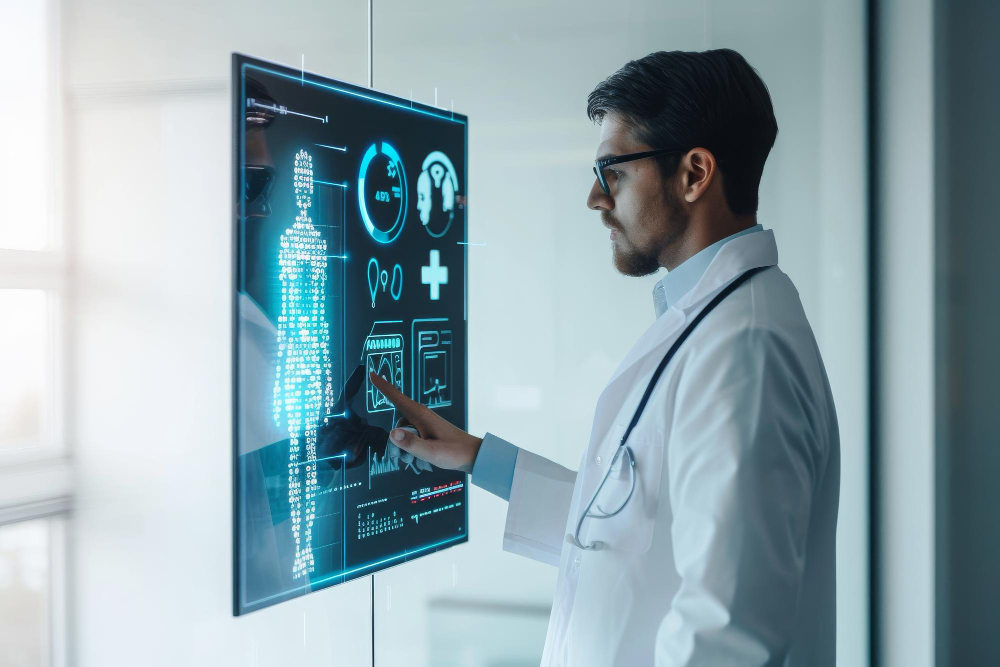
Hospitals in India face extreme pressure every single day. Patient queues are getting longer constantly. Doctors work tirelessly around the clock. However, technology is finally stepping in to help. Specifically, the integration of AI in hospital management in India changes everything. Administrators now use smart software to run facilities efficiently. Consequently, patients experience drastically reduced waiting times. Furthermore, medical professionals can focus entirely on treatment. Therefore, the entire healthcare ecosystem becomes much stronger. This is not just a distant dream. Conversely, it is our current reality today.
The Evolution of Clinic Operations
Traditional clinic operations rely heavily on manual paperwork. Consequently, administrative errors happen very frequently. Missing files cause immense frustration for everyone involved. However, digital transformation solves this massive problem immediately. Specifically, artificial intelligence digitizes records with flawless accuracy. Therefore, hospital staff retrieve patient histories instantly. Furthermore, this seamless data flow improves overall clinical efficiency. Smart algorithms organize chaotic schedules effortlessly. Consequently, doctors see more patients without feeling rushed. AI in hospital management in India truly modernizes the fundamental workflow.
Automating Patient Admissions
The admission process is notoriously stressful for sick patients. Endless forms make the experience completely exhausting. However, automated kiosks are changing this outdated system. Specifically, facial recognition software retrieves details in mere seconds. Therefore, the patient skips the long registration desk queue completely. Furthermore, smart systems assign hospital beds dynamically based on priority. Consequently, emergency cases receive immediate medical attention. Conversely, stable patients are routed to appropriate waiting zones automatically. This organized approach reduces lobby crowding significantly.
Smart Billing and Claims Processing
Medical billing remains highly complex in our country. Insurance claims require intense verification and tedious documentation. Specifically, manual processing leads to frequent claim rejections. However, AI driven financial tools eliminate these frustrating bottlenecks completely. Therefore, the revenue cycle becomes incredibly smooth and predictable. Furthermore, algorithms scan billing codes for absolute accuracy before submission. Consequently, hospitals receive their insurance payouts much faster.
For instance, the National Health Authority actively promotes technology to strengthen claims adjudication. Therefore, transparency improves massively across the entire sector. Specifically, patients face zero surprise charges during their final discharge. Furthermore, clear billing builds immense trust between hospitals and families.
Predictive Diagnostics and Advanced Care
Doctors make critical life saving decisions every single minute. However, human fatigue can sometimes lead to slight oversights. Specifically, analyzing hundreds of complex X-rays is physically draining. Therefore, artificial intelligence acts as a brilliant digital assistant. Furthermore, machine learning models detect tiny abnormalities instantly. Consequently, diseases like cancer are caught much earlier now.
Monitoring ICU Patients
Intensive care units require absolute, unwavering medical vigilance. Specifically, patient vitals fluctuate rapidly without any warning. However, smart wearable sensors track these metrics continuously. Therefore, the system predicts sudden health drops accurately. Furthermore, alarms notify the nursing station instantly if danger arises. Consequently, rapid interventions save countless precious lives daily. AI in hospital management in India directly improves survival rates. Conversely, traditional periodic checks simply cannot compete with continuous automated monitoring.
Solving the Rural Healthcare Divide
India has a massive rural population requiring urgent care. However, specialist doctors remain concentrated in major urban cities. Consequently, villagers travel long distances for basic medical advice. Specifically, smart telemedicine platforms bridge this massive geographical divide. Therefore, top city doctors consult with rural patients virtually. Furthermore, AI powered diagnostic tools analyze symptoms remotely.
- Virtual Triage: Chatbots evaluate patient symptoms instantly.
- Remote Scans: Cloud systems analyze rural diagnostic tests in seconds.
- Language Translation: Smart tools translate local dialects for city doctors accurately.
Consequently, quality healthcare reaches the most remote villages easily. Furthermore, World Health Organization guidelines emphasize digital health to expand global medical access. Therefore, technology democratizes healthcare for every single citizen.
Optimizing Supply Chain and Pharmacy Tracking
Hospitals consume massive amounts of medical supplies daily. Specifically, managing this vast inventory manually is incredibly difficult. However, predictive analytics forecast supply demands with flawless precision. Therefore, pharmacies never run out of critical life saving drugs. Furthermore, the software tracks expiration dates perfectly. Consequently, hospitals avoid wasting expensive medical resources entirely.
Conversely, sudden disease outbreaks cause unpredictable supply shortages. Specifically, artificial intelligence analyzes regional health trends constantly. Therefore, the system automatically orders extra medicines before an outbreak hits. Furthermore, AI in hospital management in India prevents severe equipment shortages proactively. Consequently, administrators save millions of rupees annually through optimized purchasing.
Reducing Medical Staff Burnout
Healthcare professionals suffer from intense occupational burnout globally. Specifically, writing clinical notes takes hours every single day. However, voice recognition software changes this exhausting routine completely. Therefore, physicians simply dictate their observations naturally into a microphone. Furthermore, the AI system instantly formats a highly structured medical report.
Consequently, doctors leave work on time and rest properly. Furthermore, refreshed doctors provide significantly better care to their patients. Conversely, an exhausted medical team makes more clinical errors. Specifically, technology absorbs the heavy administrative burden effortlessly. Therefore, the human touch remains the absolute priority in patient care.
Data Privacy and Security Measures
Digitizing medical records raises valid concerns about data privacy. Specifically, patient information is highly sensitive and strictly confidential. However, modern hospital systems utilize military grade encryption protocols. Therefore, unauthorized access is blocked completely and permanently. Furthermore, artificial intelligence actively hunts for potential cybersecurity threats.
Consequently, hackers cannot penetrate the robust digital hospital walls. Furthermore, regular security audits ensure total compliance with national laws. Therefore, patients can trust these digital platforms completely. Specifically, ethical tech deployment remains a top priority for all administrators.
The Future Vision of Indian Healthcare
The healthcare landscape is shifting at an unprecedented speed. Specifically, we are moving from reactive treatments to proactive prevention. Therefore, hospitals will soon predict illnesses before symptoms even appear. Furthermore, personalized medicine will become the standard treatment protocol. Consequently, patient recovery times will decrease significantly across the board.
AI in hospital management in India is definitely not a passing trend. Conversely, it is the permanent, solid foundation of our future medical ecosystem. Therefore, administrators must invest heavily in robust digital infrastructure today. Furthermore, continuous staff training ensures seamless technological adoption. Consequently, our country will lead the world in smart healthcare innovation.
FAQ SECTION
What is the main benefit of AI in Indian hospitals? AI drastically reduces administrative workloads and automates scheduling. Therefore, doctors have significantly more time to focus on patient care.
Is patient data safe with AI systems? Yes, modern hospital AI systems use highly advanced encryption. Furthermore, strict cybersecurity measures protect sensitive patient records continuously.
Will AI replace human doctors in India? No, artificial intelligence is designed to assist medical professionals. Specifically, it enhances human decision making rather than replacing it entirely.
How does AI help rural healthcare in India? AI powers smart telemedicine platforms and remote diagnostic tools. Consequently, rural patients gain direct access to top urban specialists easily.