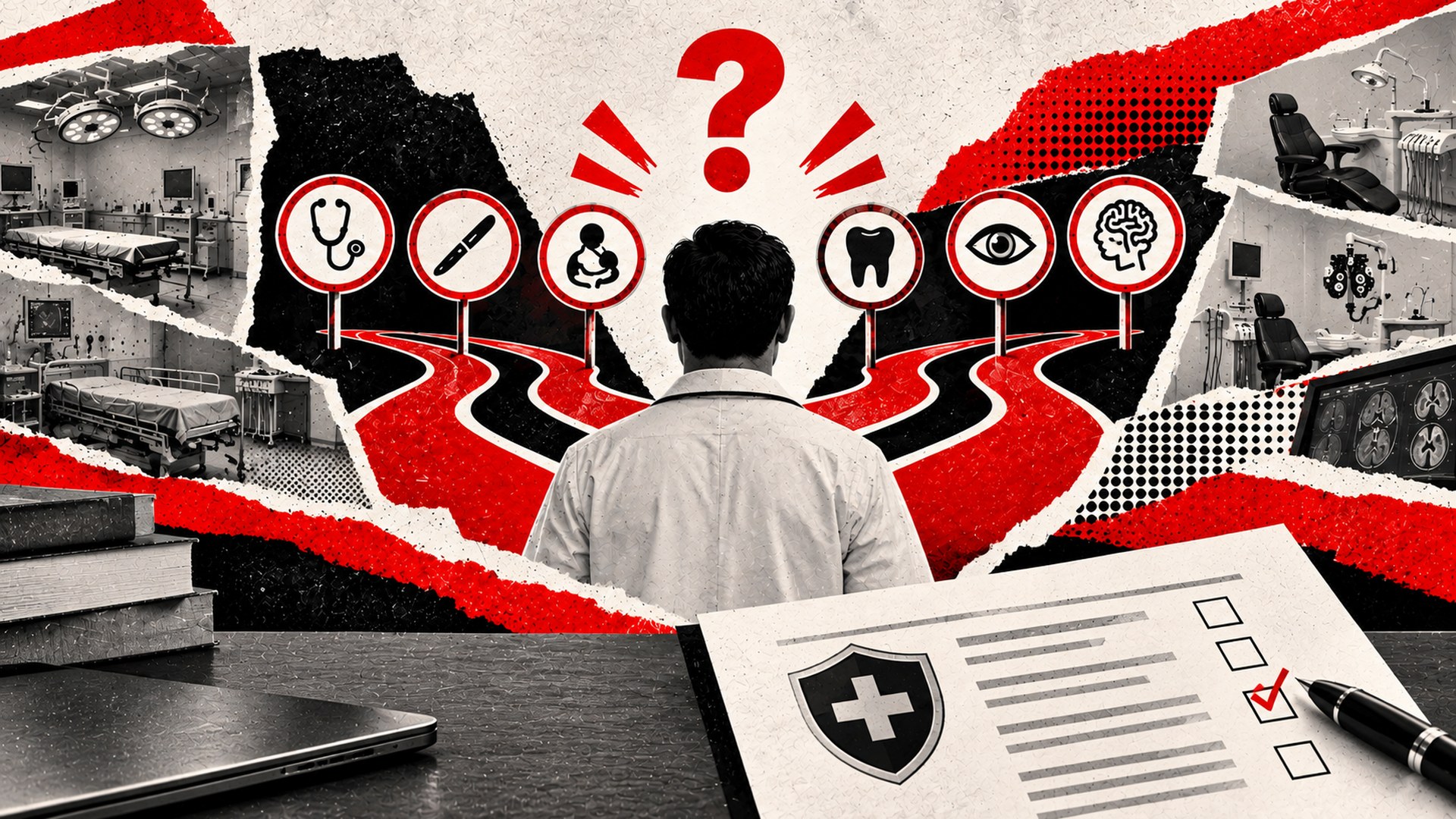


Every doctor eventually faces challenging interactions in practice. How to Handle Difficult Patients Professionalism is not about winning arguments or proving authority. It is about staying calm, protecting boundaries, understanding concerns, and guiding the conversation toward solutions. A difficult patient can become a loyal patient when managed correctly.
In busy clinics and hospitals across India, stress, fear, long waits, financial pressure, and misinformation often make patients react emotionally. If you respond emotionally too, the situation escalates. If you respond professionally, the situation improves.
Why Patients Become Difficult
Many so-called difficult patients are not bad people. They are usually dealing with frustration, pain, anxiety, or confusion.
Common reasons include:
- Fear of diagnosis or treatment
- Long waiting times
- Financial concerns
- Unrealistic expectations
- Past bad medical experiences
- Lack of understanding
- Family pressure
- Online misinformation
According to the World Health Organization, communication is a key factor in patient trust and treatment adherence. You can explore patient-centered care resources at WHO: https://www.who.int
Stay Calm First
The first rule of How to Handle Difficult Patients Professionally is simple: control yourself before controlling the situation.
Do this immediately:
- Keep your tone steady
- Maintain neutral body language
- Avoid interrupting
- Do not mirror aggression
- Focus on facts, not emotion
Patients often calm down when they realize the doctor is composed and listening.
What Not to Do
Avoid these mistakes:
- Arguing
- Raising your voice
- Being sarcastic
- Dismissing concerns quickly
- Taking complaints personally
- Threatening the patient
These reactions damage trust and can create bigger conflicts.
Listen Before You Explain
Many conflicts reduce when patients feel heard.
Use phrases like:
- “I understand this has been frustrating.”
- “Tell me exactly what happened.”
- “Let me understand your concern.”
- “I can see why you are upset.”
This does not mean you agree with everything. It means you acknowledge their experience.
Harvard Medical School also highlights active listening as a powerful clinical skill: https://hms.harvard.edu
Communicate Clearly and Simply
Doctors often know the science but forget the language gap. Medical jargon can confuse patients and increase tension.
Instead of complex explanations, say:
- “This infection needs 5 days of medicine.”
- “Your report is normal, which is good news.”
- “This pain may take 2 weeks to improve.”
- “We need one more test to be sure.”
Clear language reduces resistance.
Set Boundaries Respectfully
Professionalism includes boundaries. Some patients may demand special treatment, become abusive, or repeatedly ignore clinic rules.
You can be polite and firm:
- “I want to help, but I need respectful communication.”
- “I understand your urgency, but I must follow the queue.”
- “I cannot prescribe that medicine without evaluation.”
- “If we speak calmly, I can help faster.”
This is a core part of How to Handle Difficult Patients Professionally because kindness without boundaries leads to chaos.
Handle Angry Patients Step by Step
When a patient is openly angry:
1. Let Them Speak
Allow brief venting without interruption.
2. Acknowledge Emotion
Say, “I understand you’re upset.”
3. Identify the Real Issue
Is it delay, cost, fear, pain, or misunderstanding?
4. Offer a Clear Next Step
Explain exactly what happens now.
5. Document the Interaction
Important in hospitals and clinics for accountability.
Handle Patients Who Google Everything
Many patients arrive with internet information. Rejecting them instantly creates defensiveness.
Better response:
- “Some online information is useful, but not all cases are the same.”
- “Let’s compare that with your symptoms.”
- “I’ll explain what applies to you.”
You can even direct them to reliable sources like Mayo Clinic: https://www.mayoclinic.org
Manage Repeatedly Demanding Patients
Some patients call often, seek constant reassurance, or expect immediate responses.
Solution:
- Define consultation hours
- Use follow-up schedules
- Give written instructions
- Clarify emergency vs non-emergency issues
- Stay consistent
If you reward unreasonable behavior every time, it continues.
When Safety Becomes a Concern
If a patient becomes threatening, abusive, or physically aggressive:
- Involve staff immediately
- Maintain distance
- Follow clinic safety protocols
- Call security if needed
- Document everything
Professionalism does not mean tolerating abuse.
Build Systems That Prevent Conflict
Many difficult situations happen because systems fail, not because patients are impossible.
Improve these areas:
- Clear waiting time updates
- Transparent pricing
- Friendly front desk staff
- Easy appointment process
- Follow-up reminders
- Printed instructions after consultation
A smoother patient journey means fewer confrontations.
Real Example
A patient waits 45 minutes and enters angry. Instead of saying “Wait outside,” the doctor says:
“I understand the delay was frustrating. There was an emergency case before you. Thank you for waiting. Let’s focus on your issue now.”
Same situation, different outcome.
Key Takeaways
If you truly want to master How to Handle Difficult Patients Professionally, remember this:
- Stay calm
- Listen first
- Speak simply
- Show empathy
- Set boundaries
- Offer solutions
- Protect safety
- Improve clinic systems
Difficult patients are part of medical practice. Your response determines whether the interaction becomes conflict or trust.
FAQ Section
Why do patients behave rudely with doctors?
Usually because of stress, fear, pain, waiting time, or poor previous experiences. It is often emotional, not personal.
How should doctors respond to angry patients?
Stay calm, listen, acknowledge frustration, identify the issue, and provide a clear solution.
Can doctors refuse abusive patients?
Yes, depending on legal and ethical guidelines, especially if staff safety is at risk. Follow clinic policy.
How can clinics reduce difficult patient situations?
Improve communication, reduce confusion, update waiting times, train staff, and create clear processes.
Is empathy enough for difficult patients?
No. Empathy helps, but boundaries and clear systems are equally important.