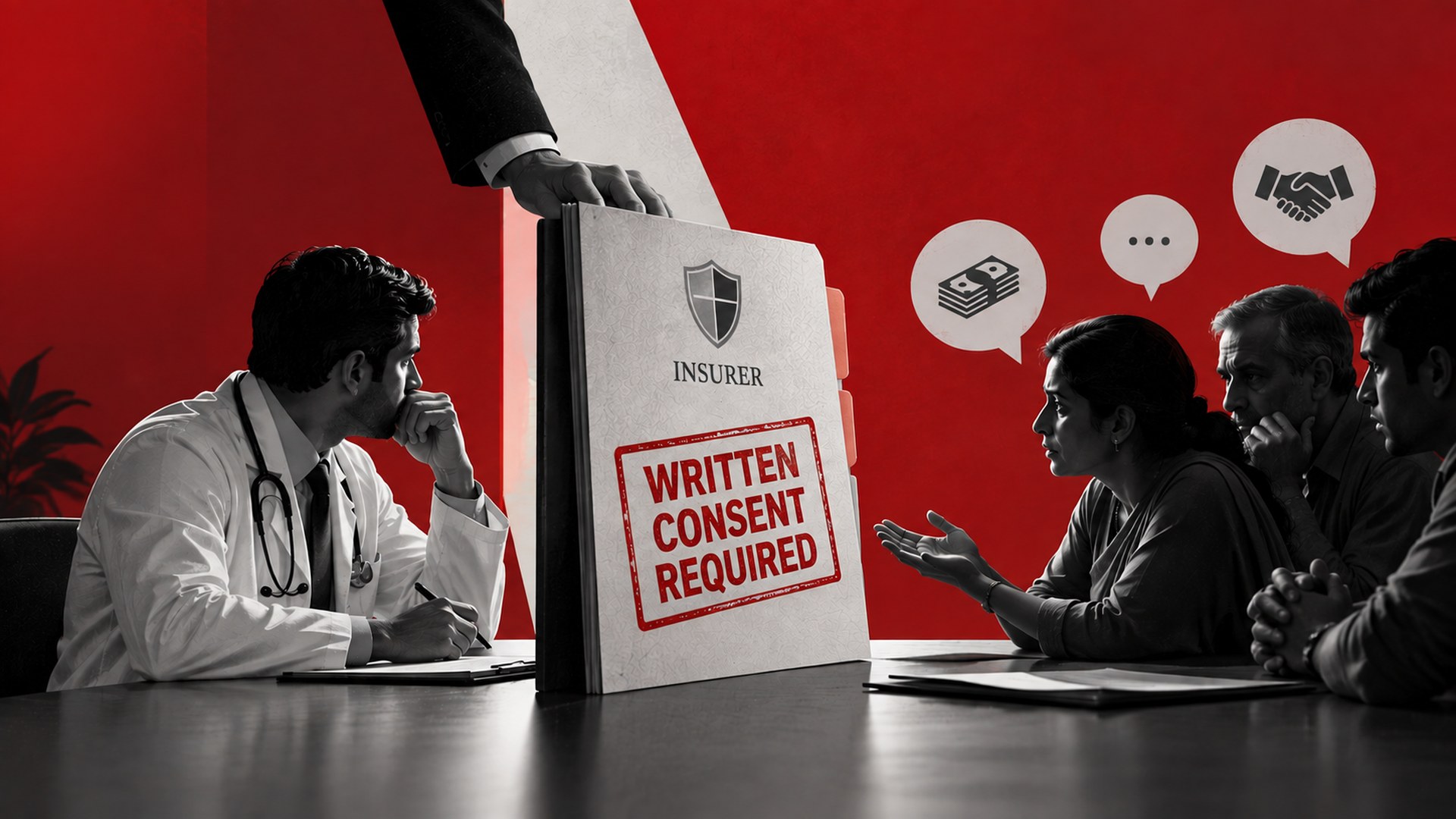


Doctors make important choices every day, often in seconds and with incomplete information. Decision Making Under Pressure becomes critical when emergencies, family expectations, fatigue, staff shortages, and diagnostic uncertainty happen together. The best doctors are not always the fastest. They are the ones who can stay calm, think clearly, and act with purpose.
Why Pressure Changes How Doctors Think
Pressure can narrow attention, increase emotional reactions, and reduce clear reasoning. That is why even experienced doctors can make avoidable mistakes during stressful moments.
Common triggers include:
- Emergency cases
- Time pressure
- Multiple patients
- Unclear diagnosis
- Lack of resources
- Poor sleep
- Family expectations
- Fear of error
Core Principles for Better Decisions
Stabilize Yourself First
Before leading the case, control yourself.
- Take one deep breath
- Slow your speech n- Focus on first priority
- Stay physically composed
A calm doctor helps the whole team stay organized.
Prioritize Immediate Risk
Ask:
- What can seriously harm the patient now?
- What needs action first?
- What can wait?
This stops you from wasting time on low-value tasks.
Use Structured Thinking
Use a simple framework:
- What do I know?
- What do I suspect?
- What do I need next?
- What is the safest action now?
Structure beats panic.
Reassess Quickly
A good decision can become outdated when the patient changes. Recheck after treatment, new symptoms, or reports.
Real Clinical Situations
Emergency Arrival
Start with basics:
- Airway
- Breathing
- Circulation
- Vitals
- Rapid history
- Immediate interventions
Angry Relatives
Stay calm and separate emotion from facts. Use short, clear updates and avoid arguments.
Diagnostic Uncertainty
When unsure:
- Rule out dangerous causes first
- Order useful tests
- Use differential diagnosis
- Escalate when needed
- Monitor closely
Multiple Patients at Once
Use triage thinking:
- Sickest first
- Most urgent first
- Delegate tasks
- Delay non-essential work
Common Mistakes Under Pressure
Anchoring Bias
Getting stuck on the first diagnosis.
Confirmation Bias
Looking only for evidence that supports your assumption.
Freeze Response
Doing nothing because the situation feels overwhelming.
Overconfidence
Believing experience alone makes you right.
Emotional Reactions
Responding from ego, fear, or frustration.
How Doctors Can Improve This Skill
Practice Simulations
Emergency drills and case scenarios build confidence before real crises.
Use Checklists
Checklists reduce missed steps. The World Health Organization Surgical Safety Checklist is a strong example.
Protect Recovery
Fatigue harms judgment. Protect:
- Sleep
- Nutrition
- Hydration
- Recovery time
Debrief Tough Cases
Ask after difficult shifts:
- What worked?
- What was missed?
- What changes next time?
That is how experience becomes improvement.
Helpful Mental Models
Worst First
Treat the most dangerous possibility early.
Next Best Step
You do not need the full answer instantly. Find the next correct move.
Slow Is Smooth, Smooth Is Fast
Controlled speed prevents rushed mistakes.
Communication During Pressure
Even the right decision fails if the team is confused.
Be clear about:
- Who does what
- Current priority
- What changed
- What to monitor
- When to escalate
For evidence-based patient safety systems, doctors can learn from WHO (https://www.who.int), Mayo Clinic (https://www.mayoclinic.org), and NHS (https://www.nhs.uk) resources.
Final Thoughts
The best Decision Making Under Pressure is not about being fearless. It is about using reliable systems when stress rises.
Start with three habits:
- Pause briefly
- Prioritize immediate risk
- Decide, then reassess
That is how strong professionals perform in difficult moments.
FAQ SECTION
Why is Decision Making Under Pressure important for doctors?
Doctors often make urgent choices where delay or confusion can affect patient outcomes.
How can doctors stay calm under pressure?
Use breathing resets, structured thinking, and focus only on immediate priorities.
What are common mistakes during emergencies?
Anchoring bias, emotional reactions, freezing, and poor communication are common issues.
Can decision-making improve with practice?
Yes. Simulations, reflection, and better systems improve judgment over time.
Does lack of sleep affect decisions?
Yes. Fatigue reduces focus, memory, and clinical reasoning.