

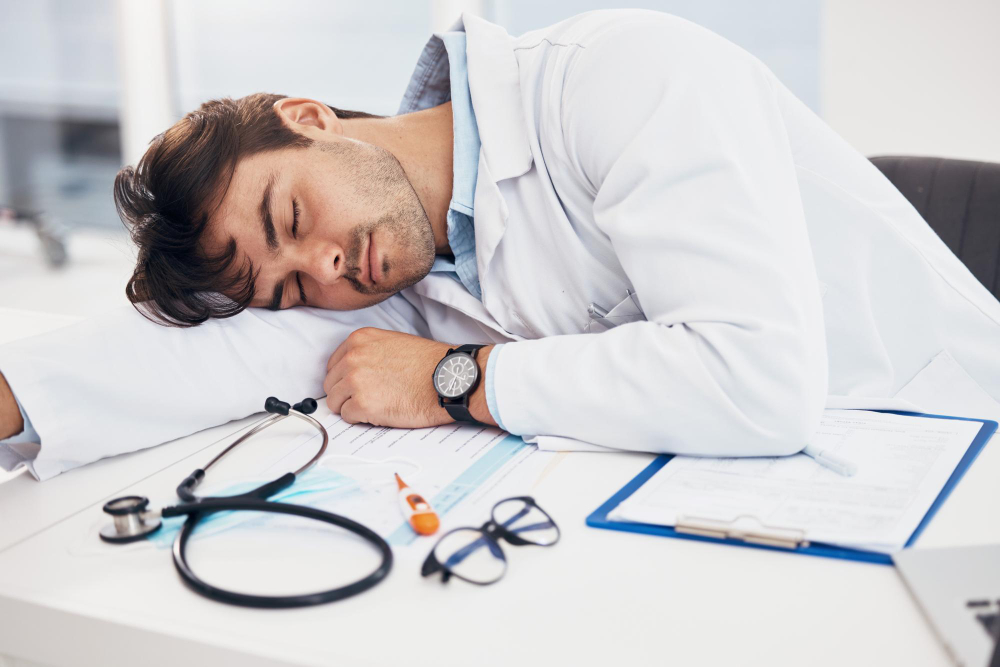
Doctors spend their days caring for others, but many ignore one essential part of their own health: sleep. Sleep Optimization for Doctors is not just about getting more hours in bed. It is about improving sleep quality, recovery, alertness, and long-term performance despite busy schedules, emergency calls, and rotating shifts.
If you often wake up tired, rely on caffeine all day, or feel mentally drained after work, this guide will help you build a smarter system for better sleep.
Why Sleep Matters for Doctors
Sleep is not a luxury. It directly affects clinical performance, decision-making, emotional control, and physical health.
Poor sleep can lead to:
- Reduced concentration during rounds
- Slower reaction time
- Irritability with staff or patients
- Increased cravings and poor food choices
- Higher stress levels
- Long-term burnout risk
According to the Centers for Disease Control and Prevention, consistent sleep deprivation impacts mood, productivity, and health outcomes. Good sleep is a performance tool, not wasted time.
Common Sleep Challenges Doctors Face
Irregular Shifts
Many doctors work mornings one week and nights the next. This confuses the body clock and makes sleep unpredictable.
On-Call Duties
Unexpected calls interrupt deep sleep cycles and reduce recovery.
Mental Overload
Even after coming home, your brain may stay active thinking about patients, cases, or pending work.
Excess Caffeine
Coffee helps temporarily, but too much late in the day can delay sleep.
Screen Exposure
Using phones or laptops before bed exposes you to blue light, which may reduce melatonin production.
Sleep Optimization for Doctors Starts With Routine
The biggest mistake is assuming sleep will “just happen.” It usually does not. You need a system.
Set a Sleep Anchor Time
Even if your schedule changes, try to keep one fixed anchor:
- Same wake-up time when possible
- Same pre-sleep routine
- Similar meal timing
This helps regulate your internal clock.
Create a Wind-Down Ritual
Your brain needs signals that work is over.
Try:
- Warm shower
- Light stretching
- Reading a physical book
- Deep breathing for 5 minutes
- Dim lights 30 minutes before sleep
These habits support Sleep Optimization for Doctors more than random supplements.
Smart Bedroom Setup for Better Recovery
Your room should support sleep, not fight it.
Keep It Cool and Dark
A slightly cool room with blackout curtains improves sleep quality. If daytime sleep is needed after night duty, this becomes even more important.
Reduce Noise
Use earplugs, white noise, or a fan if your environment is noisy.
Use the Bed Only for Sleep
Avoid working on patient notes or endless scrolling in bed. Your brain should associate bed with rest.
The National Sleep Foundation also recommends a calm, distraction-free sleep environment for consistent recovery.
Night Shift Sleep Tips for Doctors
Shift workers need a different strategy.
Before Night Duty
- Take a 90-minute nap in the evening
- Eat a light balanced meal
- Hydrate properly
During Shift
- Use caffeine early, not near the end of the shift
- Stay in bright light areas when possible
- Take short breaks to reset focus
After Shift
- Wear sunglasses during the commute home if daylight is strong
- Keep your room dark
- Sleep as soon as possible
- Avoid heavy meals before bed
This is one of the most practical forms of Sleep Optimization for Doctors working emergency or hospital schedules.
Caffeine Strategy That Actually Works
Caffeine is useful when used correctly. It becomes a problem when used blindly.
Use these rules:
- First coffee 60 to 90 minutes after waking
- Avoid caffeine 6 to 8 hours before sleep
- Choose smaller doses instead of constant refills
- Do not replace sleep with caffeine
Too many doctors use stimulants to mask exhaustion instead of fixing recovery.
Food and Sleep Connection
What you eat affects how you sleep.
Best Habits
- Eat dinner 2 to 3 hours before bed
- Choose lighter meals at night
- Stay hydrated through the day
- Include magnesium-rich foods like nuts, seeds, spinach
Avoid Before Sleep
- Heavy fried meals
- Excess sugar
- Too much spicy food
- Alcohol as a sleep shortcut
Alcohol may make you sleepy but often reduces sleep quality later in the night.
Stress Reduction Before Bed
Doctors carry emotional pressure that does not switch off instantly.
Try this 10-minute reset:
- Write tomorrow’s top 3 tasks
- Note one thing that went well today
- Do slow breathing for 5 minutes
- Put phone away
This clears mental clutter and improves sleep readiness.
When to Seek Help
Sometimes better habits are not enough. Consider professional support if you have:
- Loud snoring
- Frequent waking
- Morning headaches
- Daytime sleepiness
- Insomnia for weeks
- Anxiety affecting sleep
A sleep specialist can check for sleep apnea, insomnia, or circadian rhythm issues.
Simple Weekly Sleep Plan for Doctors
Daily Non-Negotiables
- Consistent sleep window when possible
- Morning sunlight exposure
- Controlled caffeine timing
- Short wind-down routine
Weekly Recovery Habits
- One longer recovery sleep session
- 3 to 4 exercise sessions
- Reduced screen time on off days
- Meal prep for busy shifts
Small habits repeated weekly outperform occasional “catch-up sleep.”
Final Thoughts
Sleep Optimization for Doctors is one of the highest-return investments for your health and career. Better sleep improves focus, patience, decision-making, energy, and resilience. You do not need a perfect schedule. You need a repeatable strategy.
Start with one change tonight: reduce screens, set a wind-down routine, and protect your sleep like you protect your patients.
FAQ SECTION
Why is sleep optimization important for doctors?
It improves focus, decision-making, mood, recovery, and helps reduce burnout risk.
How many hours of sleep do doctors need?
Most adults need 7 to 9 hours, though quality and consistency matter too.
How can doctors sleep after night shift duty?
Use blackout curtains, keep the room cool, avoid late caffeine, and sleep soon after reaching home.
Does caffeine ruin sleep for doctors?
Late or excessive caffeine can delay sleep and reduce quality, especially after afternoon use.
What is the first step in sleep optimization for doctors?
Create a simple pre-sleep routine and maintain consistent sleep timing whenever possible.