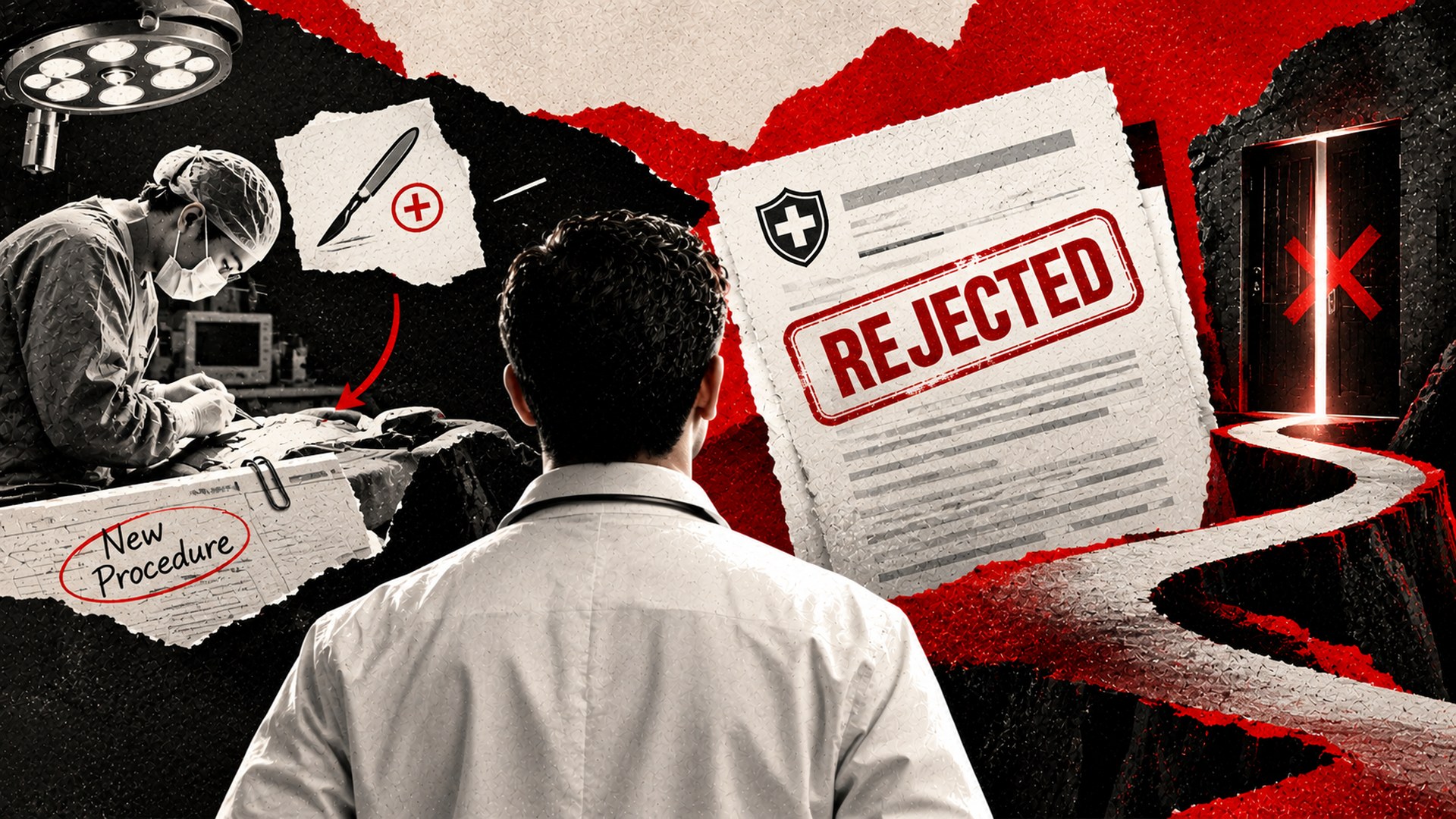

The skills every new doctor must have today go far beyond what your MBBS textbooks ever covered. Medicine in 2026 looks very different from what it did even five years ago. AI is reading X-rays, patients are walking in with Google searches, telemedicine is booming, and hospitals are more competitive than ever. If you are a fresh MBBS graduate or a junior resident stepping into your first real job, you will quickly realize that clinical knowledge alone is not enough.
You need a wider toolkit now. One that blends medical expertise, technology, empathy, and smart communication. Let’s break down exactly what that looks like.
Why the Skill Bar Has Risen for Doctors in 2026
Indian healthcare has changed dramatically. Patients are more informed (and sometimes more confused) than ever. Corporate hospitals are tracking everything from patient satisfaction scores to online reviews. Your stethoscope is no longer your only tool.
Newer challenges have entered the picture:
- Rising medico-legal cases and informed consent disputes
- Integration of AI tools like diagnostic assistants and EMR systems
- Growing mental health awareness among patients
- Digital health records replacing paper files
- Increased pressure on bedside manner and communication
According to the World Health Organization, global healthcare systems are shifting toward a more holistic, patient-centered model, which means young doctors need to adapt fast.
Clinical Skills That Still Matter (More Than Ever)
Let’s start with the basics, because no amount of soft skills can make up for poor clinical judgment.
Strong Diagnostic Thinking
You should be able to take a detailed history, perform a focused examination, and arrive at a reasonable differential diagnosis without panicking. Pattern recognition comes with time, but critical thinking is a skill you build deliberately.
Procedural Confidence
Whether it is IV cannulation, suturing, catheterization, or basic ultrasound, hands-on procedural skills are non-negotiable. Junior doctors are often judged on how smoothly they handle emergencies at 3 AM.
Evidence-Based Practice
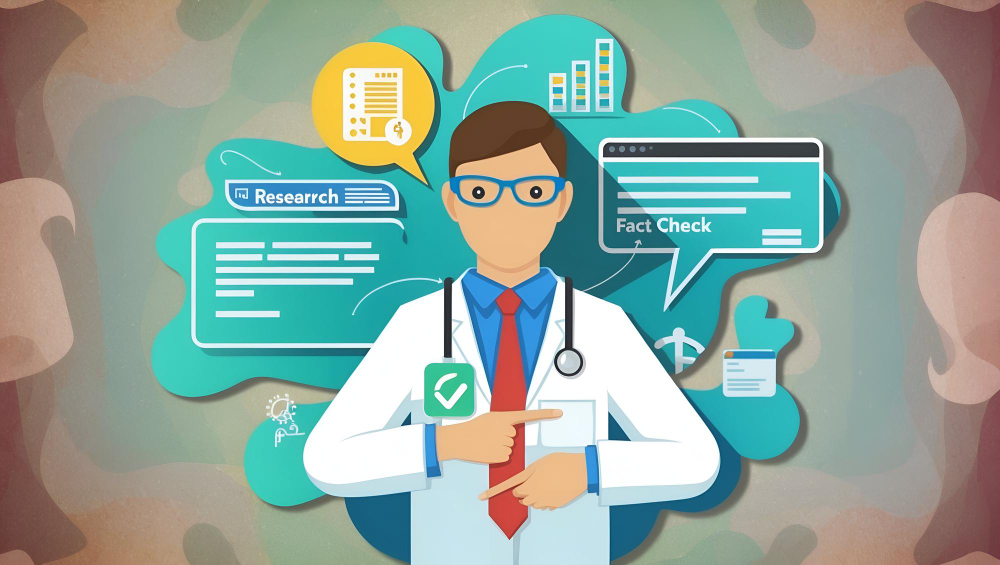
Gone are the days when “my senior told me so” was enough. You must know how to read research papers, interpret clinical guidelines, and apply them to your patients. Tools like UpToDate, PubMed, and Cochrane should be part of your daily habit.
Communication: The Most Underrated Skill
Ask any senior consultant, and they will tell you the same thing: doctors don’t get sued for bad medicine as often as they get sued for bad communication.
Breaking Bad News Gracefully
Telling a family that their loved one has cancer, or that a resuscitation failed, is one of the hardest things you will ever do. Learn frameworks like SPIKES (Setting, Perception, Invitation, Knowledge, Emotions, Strategy) and practice them.
Handling Difficult Patients
In Indian OPDs, you will encounter anxious relatives, angry visitors, and patients who argue about every prescription. Staying calm, listening actively, and explaining clearly is a superpower.
Interdisciplinary Communication
You will constantly coordinate with nurses, pharmacists, lab technicians, and other specialists. Being polite, precise, and respectful with every team member makes a huge difference in patient outcomes.
Digital and Technology Skills
This is where 2026 doctors must truly level up. If you are still writing prescriptions in barely legible handwriting, you are living in the past.
EMR and Hospital Management Systems
Most corporate hospitals now run on Electronic Medical Records. Learning to document efficiently, without spending hours typing, is a skill in itself.
Telemedicine and Virtual Care
Post-pandemic, online consultations are here to stay. Platforms like Practo, 1mg, and Apollo 24/7 are now standard. You need to know how to examine, diagnose, and counsel patients through a screen, which is surprisingly harder than it sounds.
Basic AI Literacy
You don’t need to become a data scientist, but understanding how AI tools assist in radiology, pathology, and risk prediction is crucial. The Indian Medical Association has increasingly emphasized digital literacy as a core competency for modern practitioners.
Social Media Awareness
Whether you like it or not, patients will Google you. Maintaining a professional online presence, especially on LinkedIn and health platforms, quietly builds your credibility.
Emotional Intelligence and Self-Care
One of the skills every new doctor must have in 2026 is the ability to take care of themselves as well as their patients. Burnout among Indian junior doctors is at an all-time high.
Managing Stress and Burnout
36-hour shifts, emotional cases, and financial pressure can wear you down. Build habits like:
- Regular sleep, even short naps during duty
- Brief mindfulness or breathing exercises
- Staying connected with friends outside medicine
- Seeking professional help when needed, without shame
Empathy Without Emotional Drain
You must feel for your patients but not carry every case home. This balance takes years to master, but awareness is the first step.
Handling Criticism Gracefully
Seniors will scold you. Patients will complain. Families will argue. The doctors who grow the fastest are those who take feedback without taking it personally.
Financial and Career Skills
Medical college teaches you medicine, not money management. But as a young doctor, these skills are essential.
- Basic taxation knowledge (ITR filing, professional tax, GST if applicable)
- Insurance literacy, including indemnity and health cover
- Salary negotiation skills for new jobs
- Investment basics like SIPs, PPF, and emergency funds
- Contract reading, especially bond clauses and non-compete terms
A smart doctor is not just a good clinician, but also a good decision-maker about their own life.
Lifelong Learning Mindset
Medicine evolves every single year. New drugs, new guidelines, new technology. The skills every new doctor must have in 2026 include a genuine hunger to keep learning. Subscribe to journals, attend CMEs, join online communities, and never assume you know enough. Because you don’t. None of us do.
According to the National Medical Commission, continuing medical education is now mandatory for license renewal, reflecting how seriously lifelong learning is taken.
Leadership and Teamwork
Eventually, you will lead a unit, run a clinic, or manage a team. Start building leadership habits early:
- Delegate tasks clearly
- Take responsibility when things go wrong
- Recognize and appreciate team members
- Stay organized with schedules and protocols
Good leaders are made on rounds, not in boardrooms.
Final Thoughts
The skills every new doctor must have in 2026 are a blend of old-school medicine and new-age awareness. Your clinical knowledge will save lives, but your communication, technology skills, emotional intelligence, and financial sense will shape your career.
Start building these habits early. Be patient with yourself, learn from seniors, make mistakes, and keep improving. The medical profession in India is tough, but deeply rewarding for those who are willing to grow beyond just the syllabus.
Remember, being a great doctor is not a destination. It is a daily practice.
Frequently Asked Questions
What are the most important skills every new doctor must have today?
Strong clinical reasoning, communication, digital literacy, emotional intelligence, and teamwork are the top skills that every new doctor must have in 2026.
How can I improve my communication skills as a junior doctor?
Observe senior consultants, practice with patients daily, learn frameworks like SPIKES, and ask for honest feedback from colleagues and mentors.
Is learning technology really necessary for doctors in India?
Yes. EMRs, telemedicine, and AI-based diagnostic tools are now part of most Indian hospitals, especially in metros. Digital comfort is no longer optional.
How do I avoid burnout as a new doctor?
Set boundaries, prioritize sleep, stay physically active, maintain friendships outside medicine, and don’t hesitate to seek mental health support.
Do new doctors need to learn about finance?
Absolutely. Taxes, insurance, contracts, and investments impact your life more than you think. Financial literacy is a career skill, not a luxury.
How important are soft skills compared to clinical skills?
Both matter equally today. Clinical skills save lives, but soft skills save careers. Patients remember how you made them feel more than what you prescribed.