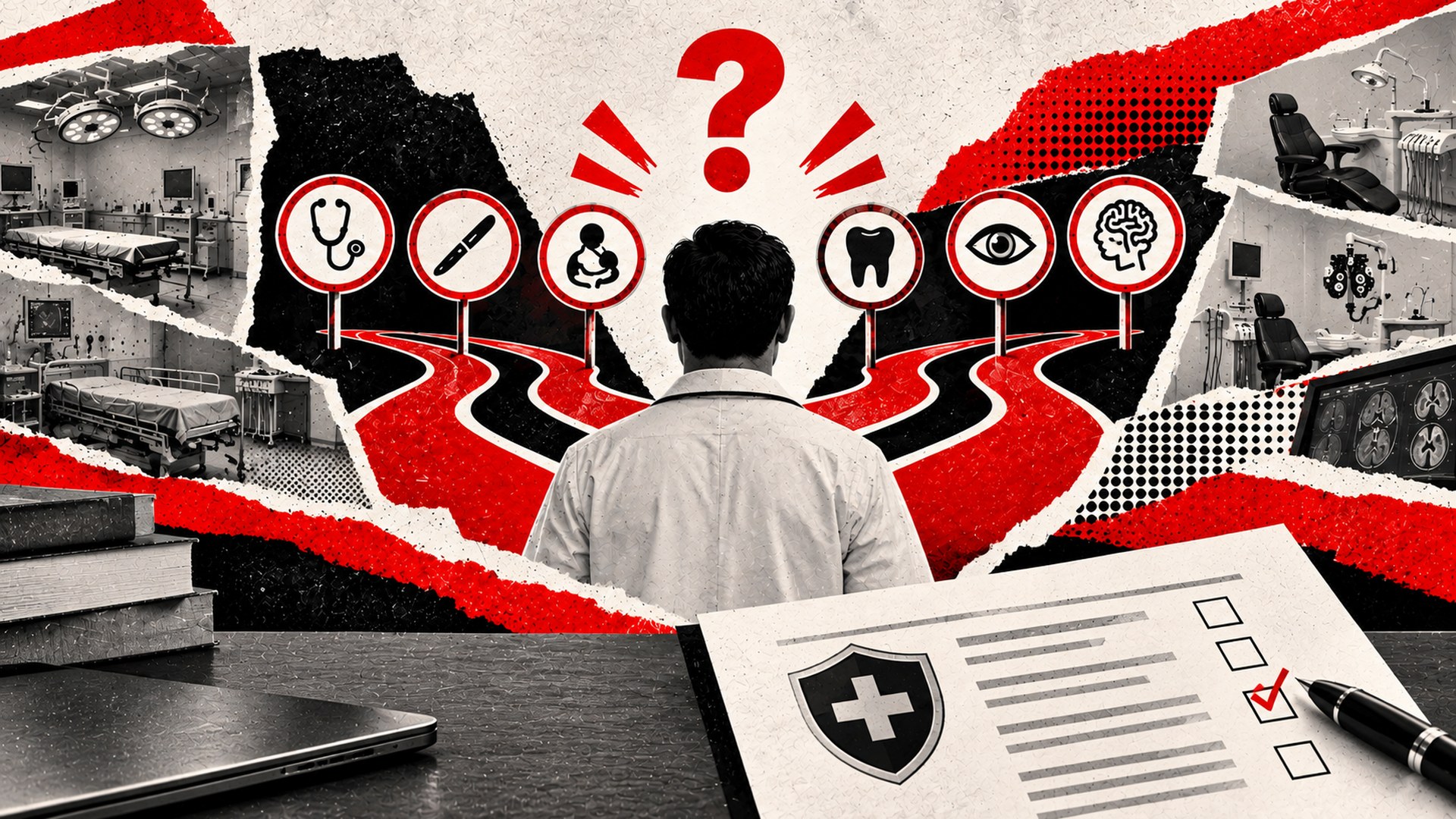


MBBS is not just about reading thick textbooks or memorising disease names. It is also about learning how to talk to patients, examine them confidently, understand symptoms, and apply medical knowledge in real life. That is why Study vs Practical Balance in MBBS becomes one of the biggest struggles for students.
Many students fall into one of two extremes. Some only study theory and avoid clinical exposure. Others spend all their time in wards and neglect academics. Both approaches are incomplete. A good doctor needs strong concepts and practical confidence.
The real goal is balance. When theory supports your practical learning and clinical exposure strengthens your memory, MBBS becomes smarter and easier.
Why This Balance Matters in MBBS
In medical college, theory and practice are deeply connected.
For example:
- Reading about heart sounds is theory
- Listening to them with a stethoscope is practical learning
- Understanding when they matter in a patient is real medicine
If you only study from books, you may score marks but feel lost in clinics. If you only attend practicals without studying concepts, you may observe cases but not understand them fully.
That is why successful students learn to combine both from the beginning.
Common Problems Students Face
1. Huge Syllabus Pressure
Subjects like Anatomy, Physiology, Pathology, Pharmacology, Medicine, and Surgery already feel endless. Practical sessions add more load.
2. Poor Time Management
Many students wait for exams, then panic study. During regular days, they waste small time slots that could be useful.
3. Fear in Clinical Postings
Some students avoid patient interaction because they feel underprepared or shy.
4. No Clear Routine
Without structure, days become random and productivity drops.
Smart Strategy to Manage Theory and Practicals
1. Use Practical Cases to Guide Your Study
Instead of reading everything blindly, study topics based on what you see in postings.
If you saw a patient with jaundice today, revise:
- Causes of jaundice
- Liver function tests
- Clinical signs
- Treatment basics
This method improves memory because the topic becomes real.
According to learning science from the National Library of Medicine (https://www.ncbi.nlm.nih.gov/), contextual learning improves retention and application of knowledge.
2. Follow the 70:30 Rule
On most normal college days:
- 70% focus on core study topics
- 30% focus on practical recall, case discussion, viva prep, examination skills
During exam season, theory may increase. During posting-heavy weeks, practical focus may increase. Adjust, but keep both active.
3. Study Daily in Small Sessions
You do not need 10-hour study marathons every day.
Try this realistic structure:
Daily MBBS Routine Example
- 30 minutes morning revision
- Attend classes and practicals seriously
- 1 to 2 hours evening focused study
- 20 minutes practical recap before sleep
Even 2 to 3 consistent hours daily beats random 12-hour stress sessions.
4. Never Be Passive in Practical Classes
Standing in the back and watching others is a waste.
Do this instead:
- Volunteer for examinations
- Ask doubts politely
- Observe communication style of seniors
- Practice case presentation
- Touch instruments and learn usage
Confidence grows only through repetition.
5. Build Short Notes for Practical Subjects
Create quick notes for:
- Clinical signs
- Important investigations
- Drug choices
- Examination steps
- Common viva questions
These notes save time before exams and postings.
Best Resources for Balanced Learning
Use one main textbook plus one quick revision source.
Examples:
- Guyton and Hall for Physiology
- Robbins for Pathology
- Davidson for Medicine basics
- Standard practical manuals from your college
For visual learning, platforms like MedlinePlus (https://medlineplus.gov/) and WHO medical learning resources (https://www.who.int/) can help with clinical understanding.
For updated scientific studies and evidence-based concepts, students can explore PubMed (https://pubmed.ncbi.nlm.nih.gov/).
What Toppers Usually Do Differently
Students who perform well are rarely “geniuses”. They usually do these basic things consistently:
- Revise the same day’s topic
- Attend postings actively
- Ask doubts early
- Practice previous year questions
- Stay regular instead of last-minute cramming
- Connect theory with patient cases
That is the real advantage.
Mistakes to Avoid
Ignoring Practicals Completely
This may hurt confidence during internship and viva.
Only Watching Videos, No Reading
Videos help, but textbooks build depth.
Comparing Yourself Daily
Every student has a different speed. Focus on progress, not comparison.
Waiting for Motivation
Motivation is unreliable. Routine works better.
How Indian MBBS Students Can Manage Better
In India, MBBS schedules can be hectic with attendance rules, internal exams, ward work, and university pressure. So keep your system simple.
Use These Hacks:
- Study in library gaps between classes
- Use commute time for audio revision
- Discuss cases with friends
- Keep one weekly backlog day
- Revise practical lists before postings
- Sleep properly before exams
Students should also stay updated with official academic reforms and policies through the National Medical Commission India website (https://www.nmc.org.in/).
Even small discipline creates huge long-term results.
Real Truth About Becoming a Good Doctor
A doctor is not made only by marksheets. A doctor is built through:
- Strong concepts
- Sharp observation
- Calm communication
- Repetition of skills
- Consistency under pressure
That is why Study vs Practical Balance in MBBS is not just about time management. It is about building competence.
Final Takeaway
If you are struggling, stop trying to be perfect in everything every day. Focus on steady progress.
Study your concepts. Attend your practicals seriously. Learn from real patients. Revise regularly. Repeat.
That simple cycle, done for years, creates the doctor you want to become.
FAQ SECTION
How can I balance study and practicals in MBBS?
Create a daily routine with fixed theory study time and active participation in practical classes. Use clinical cases to guide revision.
Is theory more important than practical in MBBS?
No. Both are essential. Theory builds understanding, while practical training builds real-world medical skills.
How many hours should an MBBS student study daily?
Quality matters more than hours. Consistent 2 to 4 focused hours daily outside classes can be highly effective.
How do I improve confidence in clinical postings?
Start interacting with patients, practice case presentation, observe seniors, and revise common cases regularly.
Can I score well in exams while focusing on practicals?
Yes. Practical learning often improves theory retention because real examples make topics easier to remember.