
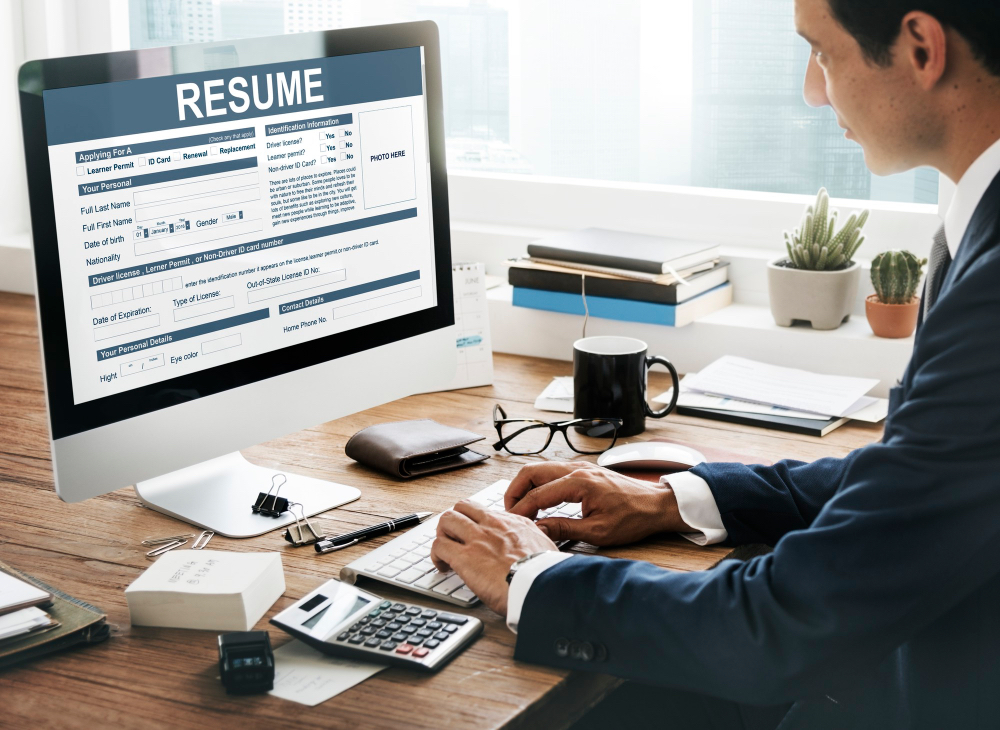
Building a strong resume during MBBS is not something you should think about in your final year. The reality is simple: your resume starts the day you enter medical college.
Whether you want to crack postgraduate exams, apply for international opportunities, or stand out in interviews, your resume becomes your identity beyond marks.
The good news? You don’t need to be a topper to build an impressive profile. You just need the right strategy and consistency.
Why Your MBBS Resume Matters More Than You Think
Most students assume that marks are everything. But in reality, your resume reflects your initiative, curiosity, and real-world exposure.
A strong MBBS resume can help you:
- Get selected for internships and observerships
- Improve chances in PG admissions and interviews
- Apply for international electives and research programs
- Build credibility early in your career
Think of your resume as your professional story, not just a document.
Start Early: First Year Is Not Too Soon
Many students waste the first year thinking there is plenty of time. That is a mistake.
Start building your resume from day one. Even small activities count when accumulated over time.
In your first year, focus on:
- Learning basic medical concepts well
- Participating in college events
- Joining medical societies or clubs
- Building communication skills
Consistency matters more than intensity.
Focus on Academic Excellence Without Burning Out
Marks still matter. They form the foundation of your resume.
But instead of chasing perfection, aim for strong conceptual clarity and steady performance.
Here is what actually helps:
- Understanding core subjects deeply
- Scoring consistently above average
- Avoiding backlogs at all costs
You don’t need gold medals, you need stability. Building a strong resume during MBBS
Get Involved in Research Early
Research is one of the biggest resume boosters in MBBS.
Even a single publication can significantly improve your profile.
Start small:
- Assist seniors or professors in ongoing research
- Learn how to read research papers
- Try writing case reports
Over time, aim for:
- Publications in indexed journals
- Poster presentations at conferences
- Participation in ICMR or similar projects
Research shows initiative and analytical thinking, which is highly valued.
Attend Conferences and Workshops
Medical conferences are not just for seniors.
They are great for exposure, networking, and learning beyond textbooks.
Benefits include:
- Certificates that strengthen your resume
- Learning from experienced doctors
- Networking with peers and mentors
Even attending a few good conferences every year adds value.
Build Practical Skills Alongside Theory
A resume filled only with theory looks incomplete.
Clinical and practical skills make you stand out.
Focus on:
- Patient interaction and communication
- Basic clinical examination skills
- Case presentation abilities
You can also learn:
- Basic life support (BLS)
- First aid
- Medical documentation
These skills show you are ready for real-world medicine.
Take Internships and Clinical Exposure Seriously
During MBBS, every clinical posting and internship matters.
Instead of just completing requirements, try to actively learn and participate.
Tips to maximize exposure:
- Be punctual and proactive in wards
- Ask questions and observe carefully
- Volunteer for case presentations
Doctors remember students who show genuine interest.
Develop Soft Skills That Most Students Ignore
This is where many MBBS students fall behind.
Soft skills are just as important as medical knowledge.
Key skills to develop:
- Communication skills
- Teamwork
- Time management
- Leadership
You can build these through:
- College fests and events
- Organizing activities
- Group projects
Good doctors are not just knowledgeable, they are effective communicators.
Build an Online Presence and Portfolio
In 2026, having an online presence is a huge advantage.
You can:
- Create a LinkedIn profile
- Share your achievements and certifications
- Connect with doctors and mentors
You may also:
- Start a medical blog
- Share notes or educational content
A digital footprint can open unexpected opportunities.
Keep Documenting Everything
One of the biggest mistakes students make is forgetting their achievements.
Always maintain a record of:
- Certificates
- Workshops attended
- Research work
- Achievements
Create a simple folder or document and update it regularly.
When it’s time to build your resume, everything will already be organized.
Common Mistakes to Avoid
Avoid these if you want a strong resume:
- Starting too late
- Ignoring research and extracurriculars
- Focusing only on marks
- Not maintaining proof of achievements
A balanced profile always wins over a one-dimensional one.
Final Thoughts
Building a strong resume during MBBS is not about doing everything at once. It is about making small, consistent efforts over time.
If you start early, stay curious, and keep improving, your resume will naturally become impressive.
Your MBBS journey is not just about passing exams. It is about building a future-ready doctor.
Frequently Asked Questions
When should I start building my resume in MBBS?
You should start from the first year. Even small activities early on help build a strong foundation.
Is research necessary for MBBS students?
It is not compulsory, but it significantly boosts your resume and opens more opportunities.
How many extracurricular activities are enough?
Quality matters more than quantity. Focus on a few activities where you are genuinely involved.
Do marks matter more than skills?
Both matter. But a combination of good academics and practical skills creates the best profile.
Can I build a strong resume without publications?
Yes, but having at least one research project or case report gives you an edge.