
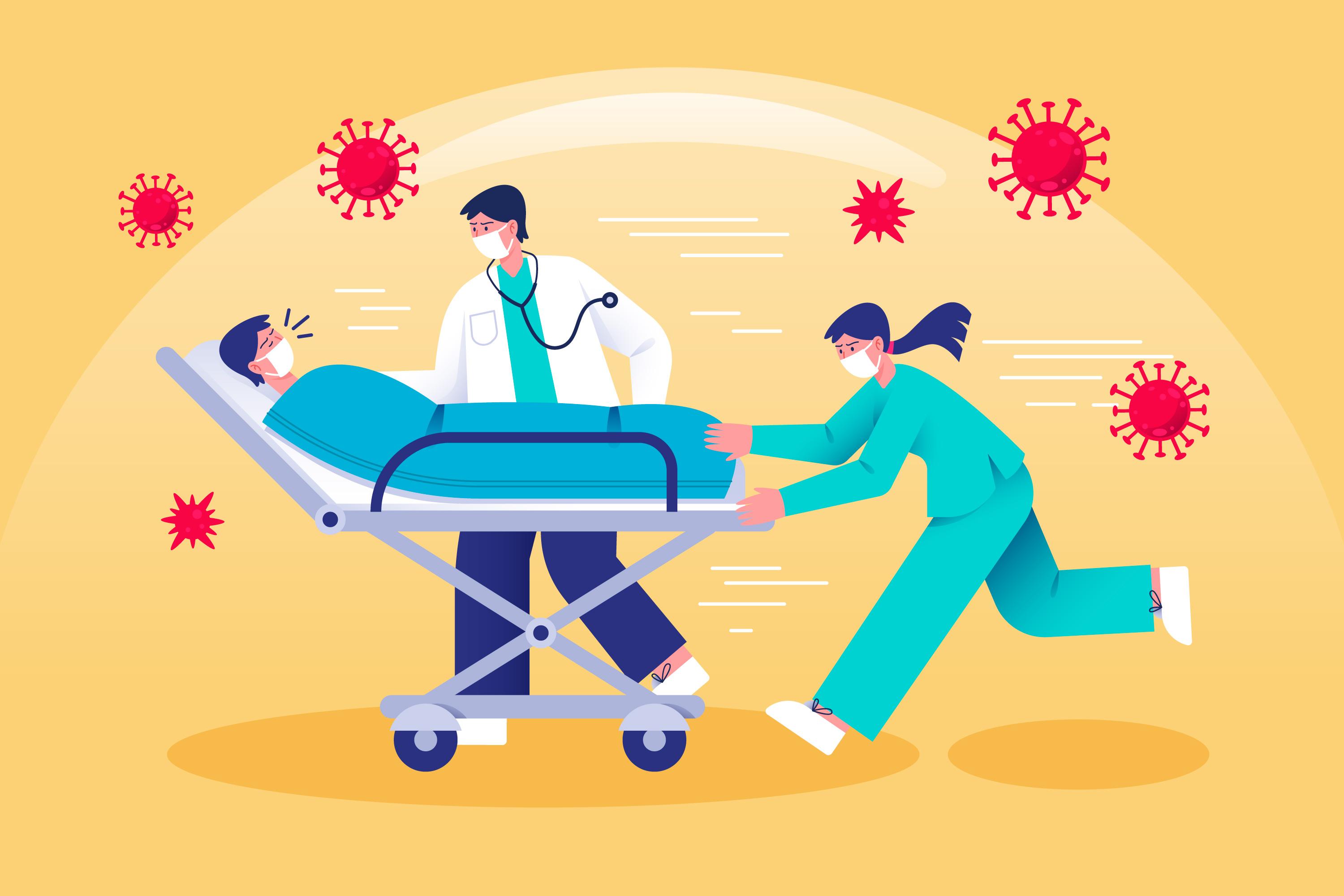
The casualty ward is pure chaos. Every single second truly matters. A life can slip away instantly. Therefore, you must act incredibly fast.
Specifically, knowing how to handle pressure in emergency situations defines your medical career. Consequently, your calm mind ultimately saves lives. Furthermore, Indian hospitals face immense patient loads daily. The crowding is often incredibly intense. However, you can completely master this daily chaos.
The Reality of the Indian Emergency Room
Working in an Indian ER is uniquely demanding. Specifically, resources are sometimes highly limited. Furthermore, anxious relatives constantly crowd the tight space. Consequently, the clinical stress skyrockets immediately.
Therefore, a structured approach is absolutely mandatory. Conversely, panicking leads to fatal medical errors. You must learn to handle pressure in emergency situations with absolute, laser focus.
Actionable Steps to Stay Calm Under Fire
Prioritize Triage Protocols
Firstly, assess the incoming patient immediately. Therefore, categorize the medical urgency instantly. Specifically, use standard trauma color coding. Consequently, critical patients receive instant, life saving care.
Furthermore, this systemic approach removes emotional decision making. You handle pressure in emergency situations by following strict clinical protocols. Specifically, utilizing frameworks from World Health Organization emergency care guidelines keeps your actions entirely objective.
Master Tactical Breathing
Your heart rate spikes during severe trauma care. However, you must control it rapidly. Specifically, try the box breathing technique. Inhale deeply for four seconds. Hold the breath for four seconds. Exhale slowly for four seconds.
Therefore, your nervous system resets very quickly. Consequently, your clinical judgment remains incredibly sharp. Furthermore, a calm doctor creates a calm environment.
Delegate Tasks Effectively
You simply cannot do everything entirely alone. Furthermore, teamwork remains your biggest asset. Specifically, trust your experienced nursing staff completely. Delegate specific tasks clearly and loudly.
Consequently, the medical workflow becomes smooth. Moreover, this drastically reduces your immediate cognitive load. Effectively learning to handle pressure in emergency situations requires strong, vocal leadership.
Managing Anxious Patient Relatives
Indian patients rarely visit the hospital alone. Specifically, entire extended families gather in the casualty ward. Therefore, active crowd control is vitally important.
-
Assign a communicator: Ask one senior relative to be the primary contact.
-
Be direct: Consequently, give them clear, factual medical updates.
-
Show empathy: However, maintain your strict professional boundaries always.
-
Involve security: Furthermore, call for guards if the situation turns suddenly hostile.
Therefore, keeping the physical environment controlled helps you handle pressure in emergency situations much more smoothly.
Tackling Road Traffic Accidents
Indian highways witness frequent, severe vehicular accidents. Specifically, head injuries and complex poly trauma are common. Therefore, the Golden Hour is absolutely critical. Furthermore, time is your biggest enemy here.
Consequently, immediate airway management is your absolute top priority. However, massive bleeding control comes right after. You effectively handle pressure in emergency situations by sticking to the standard ABCDE approach.
Specifically, this means Airway, Breathing, Circulation, Disability, and Exposure. Therefore, standardizing your trauma response completely eliminates dangerous hesitation.
Navigating Medicolegal Complexities
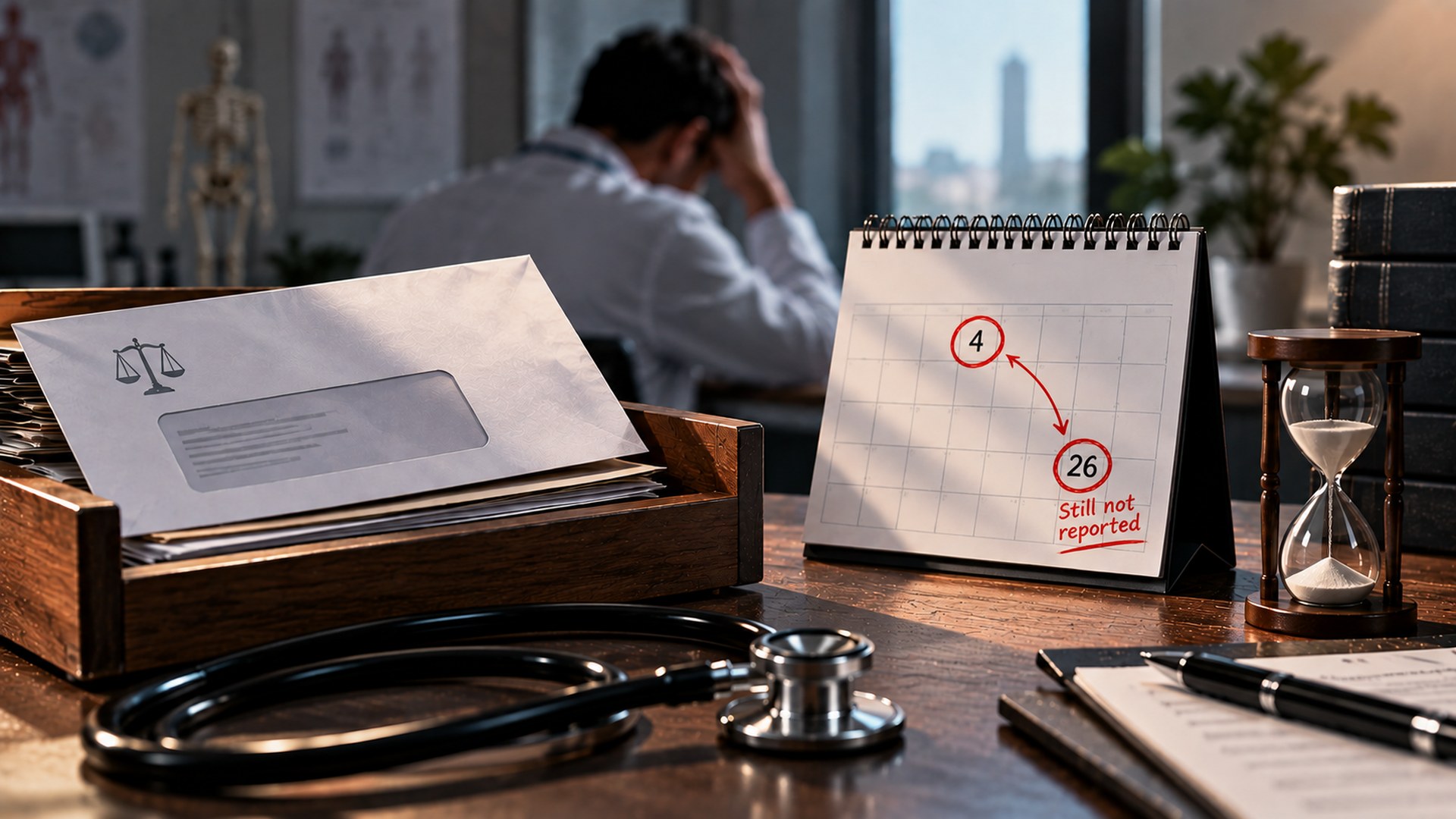
Emergency care in India involves strict legal protocols. Specifically, police intimations are mandatory for accident cases. Therefore, your clinical documentation must be flawless.
Furthermore, in the heat of the moment, paperwork seems trivial. However, it ultimately protects your medical license. Consequently, always assign a duty nurse to chart the exact timeline. Conversely, poor medical records lead to serious court summons later.
You must protect yourself legally. Reading up on Indian Medical Association protocols provides excellent legal safety nets.
Preparation Before the Crisis Hits
Continuous Simulation Training
You must practice your skills constantly. Specifically, run unexpected mock drills in your hospital ward. Furthermore, muscle memory takes over completely during real trauma.
Consequently, you do not freeze under extreme stress. Moreover, standard medical protocols become second nature. You simply cannot handle pressure in emergency situations if you hesitate during crisis moments.
Maintain Your Own Health
A deeply tired doctor makes terrible mistakes. Specifically, continuous night shifts drain your brain entirely. Therefore, strict sleep hygiene is absolutely non negotiable.
Furthermore, eat highly nutritious, energy rich meals. Consequently, your physical stamina remains high during sudden crises. According to National Institutes of Health studies on ER stress, physician burnout destroys clinical accuracy. Conversely, a rested mind processes critical data instantly.
Dealing With Equipment Failures
Sometimes, crucial medical machines fail abruptly. Specifically, ventilators can malfunction without any prior warning. Therefore, manual ventilation skills remain incredibly crucial.
Furthermore, government hospitals occasionally face sudden supply shortages. Consequently, improvising safely with available tools is highly necessary. Conversely, panicking over broken gear wastes precious, life saving time.
The Crucial Post Emergency Debrief
The medical crisis eventually ends. However, your professional job is not over yet. Specifically, you must process the stressful event mentally. Therefore, sit down quietly with your medical team.
Discuss exactly what went well today. Conversely, identify specific areas for immediate improvement. Furthermore, actively check on your colleagues mental health.
Consequently, you build a highly resilient medical team. This quiet reflection is exactly how you handle pressure in emergency situations much better the next time.
Conclusion: Your Calm is Contagious
In summary, the emergency room tests your ultimate limits. However, your personal reaction dictates the patient outcome. Specifically, your team feeds off your direct energy.
Therefore, always project absolute, unwavering confidence. Furthermore, rely heavily on your intense medical training. Consequently, you will navigate the hospital chaos highly successfully. Ultimately, mastering these skills makes you an truly exceptional physician.
FAQ SECTION
How do doctors stay calm during medical emergencies?
Doctors rely heavily on continuous simulation training and strict medical protocols. Furthermore, they use tactical breathing techniques to control their physical stress responses instantly.
Why is the Golden Hour important in Indian hospitals?
The first hour after a severe traumatic injury is highly critical. Specifically, receiving immediate medical intervention during this window drastically improves the overall survival rate.
What should a junior doctor do during a medical crisis?
Junior doctors must follow the lead of the senior attending physician. Consequently, they should focus entirely on executing delegated tasks efficiently without second guessing protocols.
How can doctors deal with aggressive relatives in the ER?
Doctors must designate one single family member for all communication. Furthermore, they must provide factual updates calmly while utilizing hospital security if situations escalate dangerously.