
Getting sick in India usually means enduring crowded hospital waiting rooms. Consequently, patients waste precious hours just to see a doctor for five brief minutes. However, modern medicine is rapidly evolving right now. Therefore, hybrid healthcare models are completely changing how we experience daily medical treatments.
What Are Hybrid Healthcare Models?
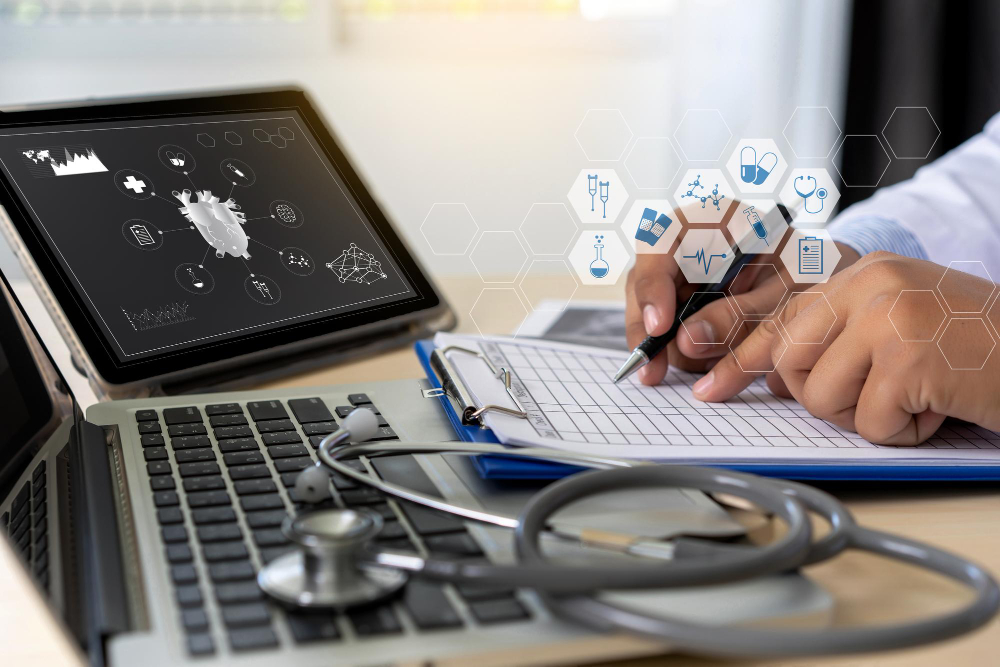
Basically, physical and digital clinics are merging seamlessly. Furthermore, this approach combines traditional physical visits with smart digital teleconsultations. You do not always need to visit the hospital physically. Conversely, you can consult a top tier specialist through your smartphone directly from home.
Specifically, doctors can track your vital signs using wearable smart devices constantly. Therefore, the core concept of hybrid healthcare models offers unmatched patient convenience and critical safety. The technology literally brings the modern hospital directly into your private living room. Consequently, routine medical checkups become incredibly fast and entirely stress free.
Why India Needs This Transformation
India faces a massive doctor shortage in deeply rural areas. Specifically, thousands of remote villages lack basic medical infrastructure completely. Consequently, patients travel incredibly long distances for minor health checkups. However, high speed mobile internet is now reaching these remote towns rapidly.
Therefore, hybrid healthcare models provide a powerful, instant, and highly scalable solution. Telemedicine bridges the massive geographical gap highly efficiently. Furthermore, local rural clinics act as smart digital spokes. A local community nurse helps the patient connect with a top city specialist via video.
Consequently, absolutely everyone gets equitable access to premium healthcare instantly. The government actively supports this rapid digital shift nationwide. The Ministry of Health and Family Welfare’s eSanjeevani initiative proves this massive success. Millions of rural Indians now use this national teleconsultation service daily.
Bridging the Rural Divide
Rural clinics often lack expensive diagnostic equipment. Furthermore, keeping specialist doctors in remote villages is incredibly difficult. However, digital health platforms solve this stubborn problem entirely.
Specifically, a local doctor can upload an X ray to a cloud server instantly. Conversely, an expert radiologist in Mumbai reads the scan within minutes. Therefore, the patient receives an accurate diagnosis without ever leaving their village. Consequently, this collaborative network saves countless lives during acute medical emergencies.
Blending AI with Human Empathy
Artificial intelligence powers these new smart medical systems heavily. Specifically, smart AI chatbots perform initial symptom checks remarkably quickly. Furthermore, they guide confused patients to the correct specialist immediately.
However, complex algorithms cannot replace a human doctor’s true empathy. Therefore, successful hybrid healthcare models rely on deep human connection. The machine purely analyzes the raw data. Conversely, the physician interprets that data with deep human compassion.
-
AI analyzes complex lab reports in mere seconds.
-
Doctors use these precise insights for much better clinical diagnosis.
-
Patients receive a deeply personalized and highly effective treatment plan.
The human touch remains absolutely critical for proper healing. Conversely, technology simply handles the heavy administrative lifting. Therefore, doctors spend much more quality time actively listening to their sick patients.
The Role of Smart Algorithms
Data driven algorithms predict severe health risks incredibly early. Furthermore, they notify the doctor if your blood pressure spikes dangerously. Specifically, this proactive approach stops a minor issue from becoming a fatal stroke. According to recent insights from the NITI Aayog, integrating artificial intelligence is completely reshaping our medical landscape. Consequently, preventive care is finally becoming a tangible reality for millions.
The Financial Benefits for Patients
Physical hospital visits are notoriously expensive for average citizens. Furthermore, daily travel costs add a heavy financial burden quickly. Specifically, lost daily wages hurt working class Indian families deeply. However, hybrid healthcare models reduce these hidden costs dramatically.
Virtual follow up appointments cost significantly less money. Consequently, patients save thousands of rupees annually. Furthermore, early detection through remote monitoring prevents highly expensive emergency surgeries. Therefore, this modern approach makes quality healthcare incredibly affordable for everyone.
Families no longer need to book expensive city hotels for treatments. Conversely, they manage the entire recovery process digitally from their rural homes. Consequently, the heavy financial toxicity associated with chronic diseases drops significantly.
Changing the Role of Medical Professionals
Doctors must learn entirely new digital skills immediately. Furthermore, nursing staff must operate complex teleconsultation software perfectly. Specifically, medical colleges are drastically updating their aging curriculums today. Therefore, future doctors will master both standard stethoscopes and smart healthcare software.
The clinic receptionist now manages digital waiting rooms online. Conversely, hospital administrators secure massive amounts of private digital health data. Consequently, the entire medical workforce is undergoing a massive technological upgrade right now.
Are We Ready for the Shift?
Transitioning entirely requires massive digital infrastructure upgrades. Specifically, rural internet connectivity must improve much further. Furthermore, strict patient data privacy laws are absolutely mandatory. Hackers actively target vulnerable medical databases constantly. Therefore, hospitals must invest heavily in military grade cybersecurity.
However, India is adapting to these massive challenges incredibly fast. Consequently, the wide adoption of this modern approach is now completely inevitable. The government pushes progressive digital health policies very aggressively. Furthermore, private tech startups are building highly innovative local solutions daily.
Therefore, the entire healthcare ecosystem is pulling in the exact same direction. Consequently, patients are rapidly becoming highly comfortable with virtual medical consultations.
Ensuring Ironclad Data Privacy
Digital medical records contain incredibly sensitive personal information. Furthermore, unauthorized access can ruin a patient’s entire life. Specifically, strict compliance with national privacy standards is not optional. Therefore, healthcare providers use advanced end to end encryption constantly.
-
Secure cloud servers store all patient records safely.
-
Multi factor authentication blocks malicious hackers instantly.
-
Regular security audits find hidden vulnerabilities quickly.
Conclusion: A Healthier Tomorrow
Healthcare is no longer restricted to physical hospital walls. Furthermore, smart digital tools empower both doctors and patients equally. Specifically, rapid remote diagnosis and constant virtual monitoring save countless human lives daily.
Therefore, fully embracing hybrid healthcare models ensures a much healthier future for India. Ultimately, this smart blend of advanced technology and deep human care is genuinely revolutionary. Medicine will finally become accessible, highly affordable, and incredibly effective for every single Indian citizen.
Frequently Asked Questions
What exactly are hybrid healthcare models?
They combine physical hospital visits with digital teleconsultations seamlessly. Furthermore, this approach uses smart technology to monitor patients remotely. Therefore, this modern method offers flexible and incredibly convenient medical care.
How do hybrid healthcare models help rural India?
They connect rural patients to top city doctors via video. Specifically, this eliminates long travel times completely. Consequently, remote villages receive premium medical care instantly.
Are online medical consultations safe?
Yes, they are highly secure when using certified platforms. Furthermore, strict government guidelines protect patient data privacy constantly. However, physical visits always remain absolutely necessary for critical emergencies.
Will this modern approach reduce medical costs?
Absolutely. Virtual appointments eliminate travel expenses completely. Furthermore, remote monitoring helps catch dangerous diseases early. Consequently, patients avoid massive emergency hospital bills entirely.