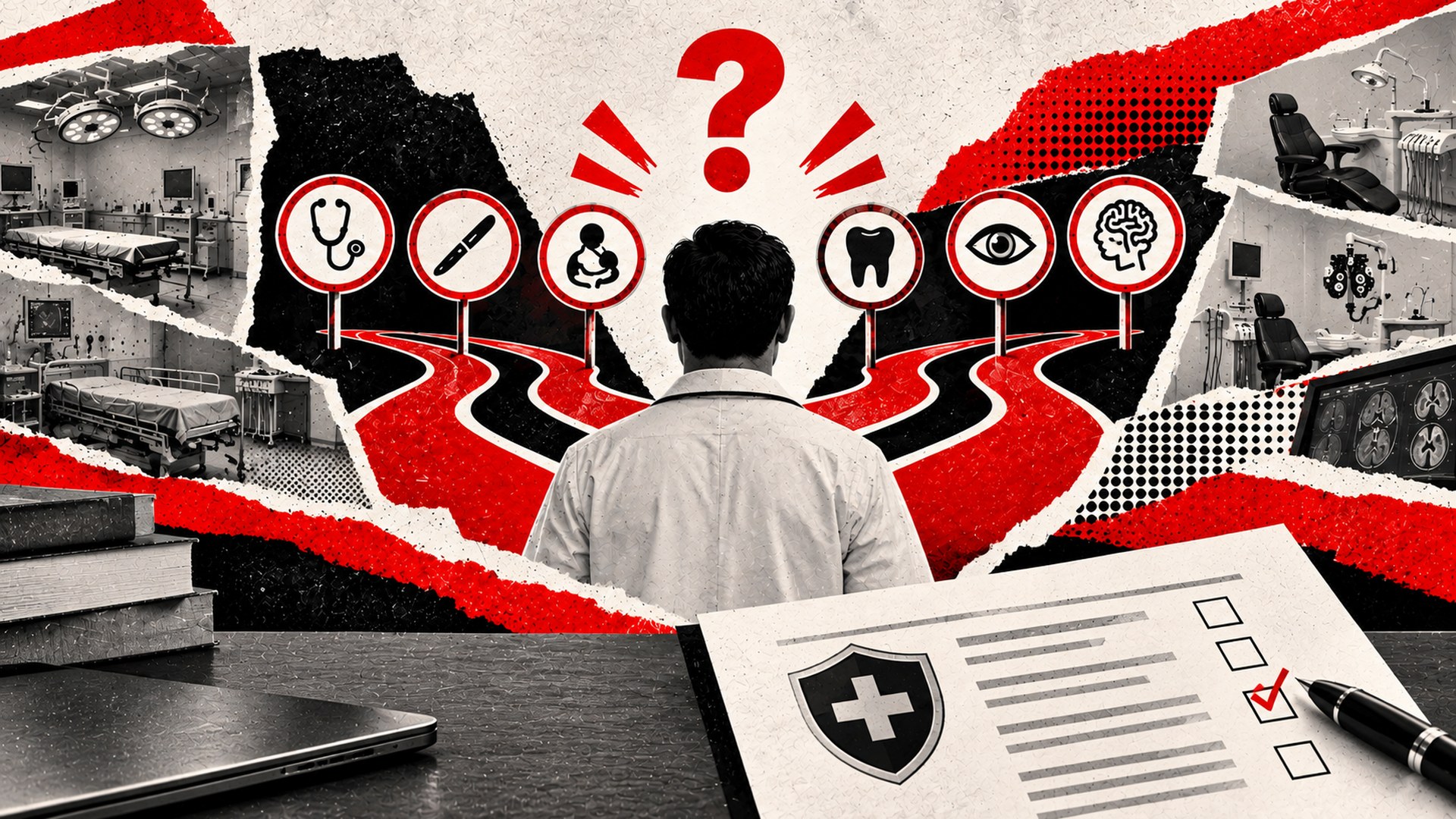


Completing MBBS is a major milestone, but the next question often creates stress: what comes after internship? Many graduates start exploring private hospital jobs because they offer immediate opportunities, hands-on learning, and a chance to build confidence in real clinical settings.
For many fresh doctors in India, joining a private hospital becomes the first practical step before preparing for postgraduate entrance exams, opening a clinic, or choosing a long-term specialty path. But expectations should be realistic. Some hospitals offer excellent learning and mentorship, while others may overload junior doctors with long shifts and average pay.
This guide explains exactly what you can expect, how to choose wisely, and how to grow faster.
Why Many MBBS Graduates Choose Private Hospitals
Private hospitals are often the quickest way to start working after MBBS. Government jobs may involve exams, vacancies, or long recruitment timelines. Private institutions usually hire faster.
Common reasons fresh doctors choose this route:
- Immediate earning opportunity
- Better exposure to patient flow in some cities
- Practical confidence after internship
- Work experience for CV building
- Guidance from senior consultants
- Time to prepare for NEET PG alongside work
For many doctors, it is not the final destination. It is a strategic starting point.
You can explore healthcare recruitment updates on Naukri and LinkedIn Jobs.
Common Roles Available After MBBS
Your exact designation may vary depending on hospital size and city. Common roles include:
Junior Resident Doctor
You assist in patient care, ward rounds, documentation, treatment coordination, and emergencies.
Resident Medical Officer (RMO)
Often responsible for emergency handling, inpatient monitoring, and coordinating with consultants.
Casualty / Emergency Doctor
You manage urgent cases, first-line treatment, stabilization, and referrals.
ICU Duty Doctor
Some hospitals hire MBBS graduates in ICU support roles under intensivists.
OPD Medical Officer
In certain setups, doctors handle general consultations, follow-ups, and routine cases.
Salary Expectations in India
This is where many graduates have unrealistic expectations. Salary depends heavily on location, hospital brand, workload, and your negotiation skills.
Typical ranges can vary:
- Tier 1 cities: ₹40,000 to ₹80,000+ per month
- Tier 2 cities: ₹30,000 to ₹60,000 per month
- Smaller towns: ₹25,000 to ₹50,000 per month
Night duties, emergency shifts, accommodation, meals, or incentives may increase the package.
You can compare doctor salary benchmarks on AmbitionBox and Glassdoor.
What Daily Work Actually Looks Like
Many students imagine hospital jobs as glamorous doctor life. Reality is more demanding.
You may handle:
- Long duty hours
- Night shifts
- Emergency calls
- Documentation work
- Patient relatives’ questions
- Coordination with nurses and consultants
- Learning new hospital software
- Pressure situations with limited time
The first few months can feel overwhelming. That is normal. Clinical confidence develops through repetition.
Skills You Need to Succeed
Your MBBS degree gets you shortlisted. Your skills decide growth.
Clinical Decision-Making
Knowing what needs urgent action matters more than textbook memory.
Communication Skills
Explaining treatment plans clearly to patients and families is essential.
Calmness Under Pressure
Hospitals can be unpredictable. Panic helps no one.
Documentation Accuracy
Good notes protect both patient care and your professional credibility.
Teamwork
You will work closely with nurses, technicians, admins, and consultants.
Professional ethics and medical standards can be reviewed on the National Medical Commission.
Benefits of Starting in a Private Hospital
There are genuine advantages when you choose the right place.
Fast Learning Curve
Daily patient exposure improves confidence faster than staying idle at home.
Professional Discipline
You learn punctuality, systems, reporting structure, and responsibility.
Networking
Good relationships with consultants and seniors can help future opportunities.
Financial Independence
Even a modest first salary builds confidence and reduces dependency.
Better Career Clarity
After a few months of work, many doctors understand whether they prefer PG prep, clinical practice, administration, or another path.
Challenges You Should Be Ready For
Not every private hospital is ideal. Be realistic.
Workload Can Be Heavy
Some hospitals expect one junior doctor to manage too much.
Learning Quality Varies
In some places, you grow a lot. In others, you do repetitive tasks only.
Salary May Feel Low Initially
Freshers often expect more than the market pays.
Limited Leave
Rotational duties may reduce personal time.
Burnout Risk
Poor schedules and exam preparation together can become exhausting.
This is why choosing the right employer matters more than joining the first available offer.
How to Choose the Right Hospital Job
Before accepting an offer, ask smart questions:
- What will my role be exactly?
- How many duty hours per week?
- How many night shifts?
- Is there consultant support?
- What is the monthly salary and deductions?
- Are accommodation or meals included?
- Weekly off available or not?
- Growth opportunities after 6 months?
Always compare multiple offers instead of accepting the first one.
Can You Prepare for NEET PG While Working?
Yes, but it depends on duty schedule and discipline.
If your only goal is PG rank, a high-burden hospital job may slow preparation. But if you need income and experience, it can still work with structured study hours.
Best approach:
- Choose manageable shifts
- Use off-days seriously
- Study daily in small blocks
- Avoid wasting post-duty recovery time
- Focus on revision-based strategy
Many successful candidates have cracked exams while working, but it requires consistency.
Long-Term Growth Opportunities
Private hospital jobs can lead to multiple paths:
- Senior resident roles
- Specialty departments after PG
- Hospital administration
- Emergency medicine pathway
- Corporate healthcare roles
- Clinical research
- Own clinic in future
Your first job does not lock your future. It gives momentum.
Final Thoughts
Private Hospital Jobs After MBBS, What to Expect is not just about salary. It is about growth, learning, pressure, confidence, and choosing the right environment. A smart first job can sharpen your clinical skills and give direction to your career. A bad choice can drain energy and waste time.
So do not join blindly. Evaluate the role, ask tough questions, compare options, and think long term. Your MBBS is only the beginning. What you do next matters.
FAQ SECTION
Is a private hospital job good after MBBS?
Yes, especially for gaining experience, earning income, and improving practical confidence after internship.
What salary can an MBBS doctor get in a private hospital?
It commonly ranges from ₹25,000 to ₹80,000+ depending on city, hospital, and role.
Can I prepare for NEET PG while doing a hospital job?
Yes, with proper time management and a disciplined study plan.
Which is better after MBBS, private job or government job?
It depends on your goals. Government jobs may offer stability, while private hospitals may provide faster hiring and practical exposure.
Do private hospitals hire fresh MBBS graduates?
Yes, many hospitals hire fresh graduates for junior resident, RMO, emergency, and duty doctor roles.