

Choosing medicine is not just choosing a degree. It is choosing a demanding, respected, and life-changing path. This Complete Guide to MBBS Journey in India is designed for students who want a clear picture of what happens from Class 12 to becoming a doctor. Many students know they want MBBS, but very few understand the full process, challenges, and opportunities ahead.
If you are serious about medicine, you need more than motivation. You need the right roadmap. From cracking NEET to surviving long study hours, handling practicals, completing internship, and preparing for specialization, every stage matters.
What is MBBS in India?
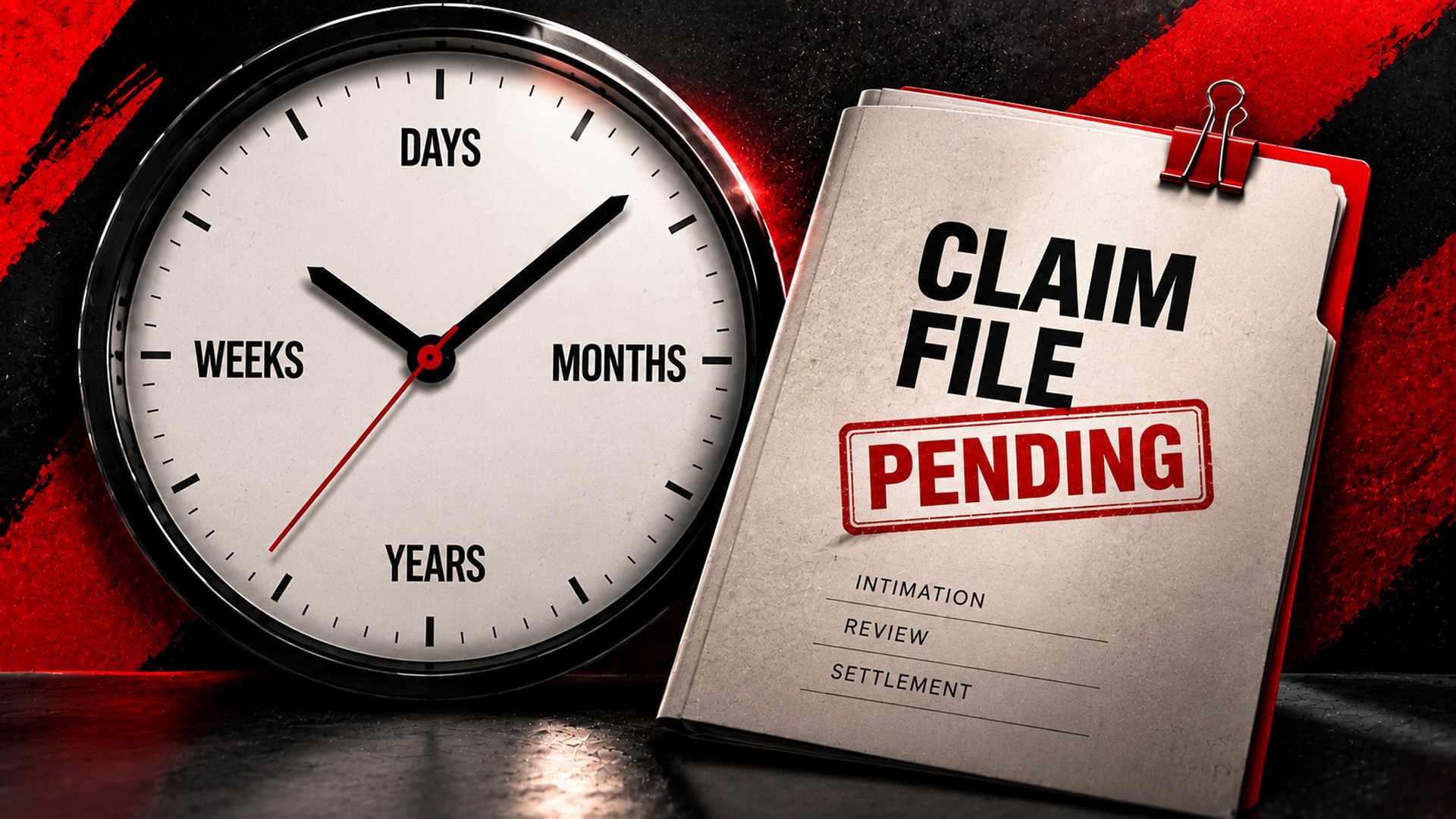
MBBS stands for Bachelor of Medicine and Bachelor of Surgery. It is the primary undergraduate medical degree required to become a doctor in India. The course combines theory, clinical training, hospital exposure, and hands-on patient care. According to the National Medical Commission, MBBS education in India follows structured academic and clinical standards.
The duration of MBBS in India is generally:
- 4.5 years academic study
- 1 year compulsory rotatory internship
That means your journey is long, structured, and intense.
Step 1: Eligibility After Class 12
To enter MBBS, students usually need:
- Physics, Chemistry, Biology in Class 12
- Minimum qualifying percentage as per category rules
- NEET UG qualification
- Age criteria as per official norms
Your school foundation matters more than many students think. Weak basics in Biology or Chemistry become a problem later.
Step 2: NEET UG Preparation
NEET is the gateway to MBBS admissions in India. It is highly competitive because lakhs of students compete for limited seats. Official exam details are available on the National Testing Agency and NEET Official Portal.
Smart NEET Strategy
- Build NCERT mastery first
- Practice MCQs daily
- Revise regularly
- Solve previous year papers
- Focus on accuracy, not random attempts
- Take mock tests under time pressure
Hard truth: Motivation is useless without consistency. Students fail more from poor discipline than lack of intelligence.
Step 3: MBBS Admission Process
After NEET results, counselling begins. Seats are allotted through All India Quota, State Quota, Deemed Universities, Central Universities, and Private Colleges. Students can check counselling updates on the Medical Counselling Committee.
Documents Commonly Required
- NEET scorecard
- Admit card
- Class 10 and 12 marksheets
- ID proof
- Passport photos
- Category certificate if applicable
College Selection Factors
Do not choose blindly based only on brand name. Check:
- Fees structure
- Hospital patient load
- Faculty quality
- Internship exposure
- Location
- Hostel facilities
- Bond rules
- PG results
Step 4: MBBS Fees in India
Fees vary massively.
Government Colleges
Usually more affordable and highly competitive.
Private Colleges
Can be expensive depending on state and institution.
Deemed Universities
Often higher fees with varied infrastructure.
Always verify fees from official college websites before paying anything.
Step 5: Year Wise MBBS Journey
This Complete Guide to MBBS Journey in India would be incomplete without showing what each phase feels like.
First Year
Subjects often include:
- Anatomy
- Physiology
- Biochemistry
This year builds your medical foundation. Many students struggle because the syllabus is far bigger than school learning.
Second Year
Common subjects:
- Pathology
- Pharmacology
- Microbiology
- Forensic Medicine
Now you start connecting disease, drugs, and diagnosis.
Third Year
You enter more clinical exposure with subjects like:
- Community Medicine
- ENT
- Ophthalmology
Final Year
Major clinical subjects:
- Medicine
- Surgery
- Pediatrics
- Obstetrics and Gynecology
This is where theory meets real hospital responsibility.
Step 6: Real Life in MBBS College
Many students imagine only white coats and stethoscopes. Reality includes:
- Long lectures
- Night study sessions
- Practical exams
- Attendance pressure
- Internal assessments
- Ward postings
- Emotional stress
- Limited free time
But it also includes friendships, confidence, growth, and purpose.
How to Survive Better
- Study daily, not seasonally
- Make concise notes
- Use standard textbooks
- Learn from seniors wisely
- Sleep enough
- Protect mental health
- Stay physically active
Research from the World Health Organization regularly highlights the importance of mental well-being among healthcare professionals and students.
Step 7: Internship Year
Internship is where you start functioning in real clinical environments. You rotate through departments and gain practical skills.
You may learn:
- Case taking
- Basic procedures
- Emergency response
- Prescription basics
- Patient communication
- Team coordination
This year teaches things books never can.
Step 8: What After MBBS?
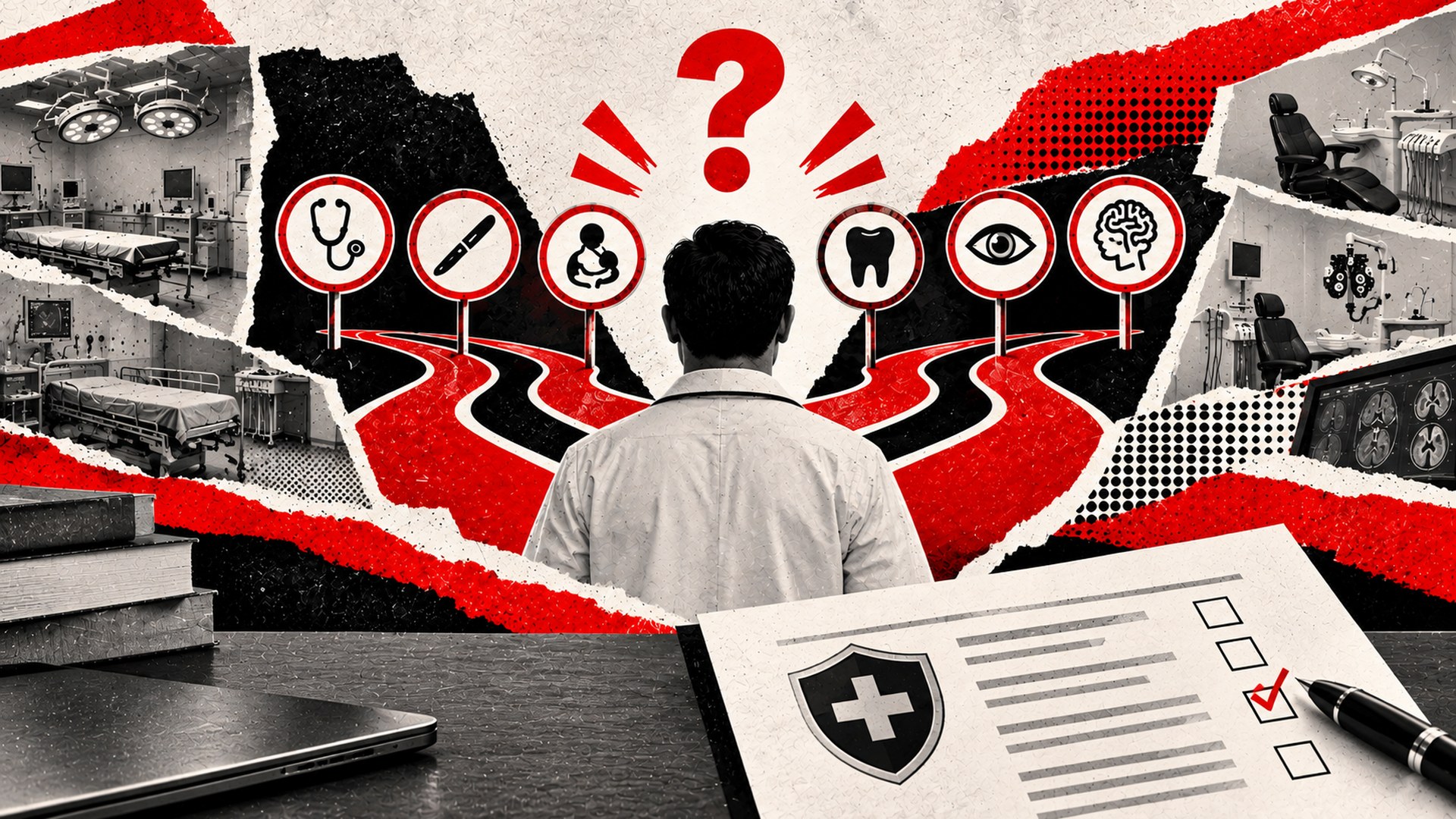
After graduation, students have multiple paths.
Postgraduate Specialization
Prepare for entrance exams like NEET PG to pursue MD/MS.
Government Jobs
Many doctors join public health systems.
Private Hospitals
Clinical practice opportunities in hospitals and chains.
Research and Academics
Teaching and medical research careers.
Non-Clinical Careers
- Hospital administration
- Medical writing
- Healthcare startups
- Public health
- Pharma roles
Common Mistakes Students Make
- Choosing MBBS only for status
- Ignoring mental health
- Studying only before exams
- Depending only on coaching notes
- Poor time management
- Comparing constantly with toppers
The smartest students are not always the most talented. They are often the most consistent.
Is MBBS Worth It in India?
Yes, if you genuinely want medicine. No, if you only want prestige or quick money.
Medicine demands patience. The rewards come with years of effort. If you enjoy learning, helping people, and solving real problems, MBBS can be one of the most meaningful careers.
Final Thoughts
This Complete Guide to MBBS Journey in India gives you the reality, not fantasy. The path is hard, competitive, and long. But it also builds skill, discipline, and purpose like few careers can.
Do not enter blindly. Understand the process, count the cost, and commit fully. If you do that, the journey becomes manageable and rewarding.
FAQs
How many years is MBBS in India?
Usually 5.5 years including 1 year internship.
Is NEET compulsory for MBBS in India?
Yes, NEET UG is the main entrance exam for MBBS admission in India.
Can average students crack MBBS?
Yes. Average students with disciplined study habits often outperform gifted but inconsistent students.
What is better, government or private MBBS college?
Government colleges are usually more affordable, but quality depends on the institution. Compare facilities and training.
What can I do after MBBS without PG?
You can work in hospitals, public health, research, administration, or prepare for PG entrance exams.