

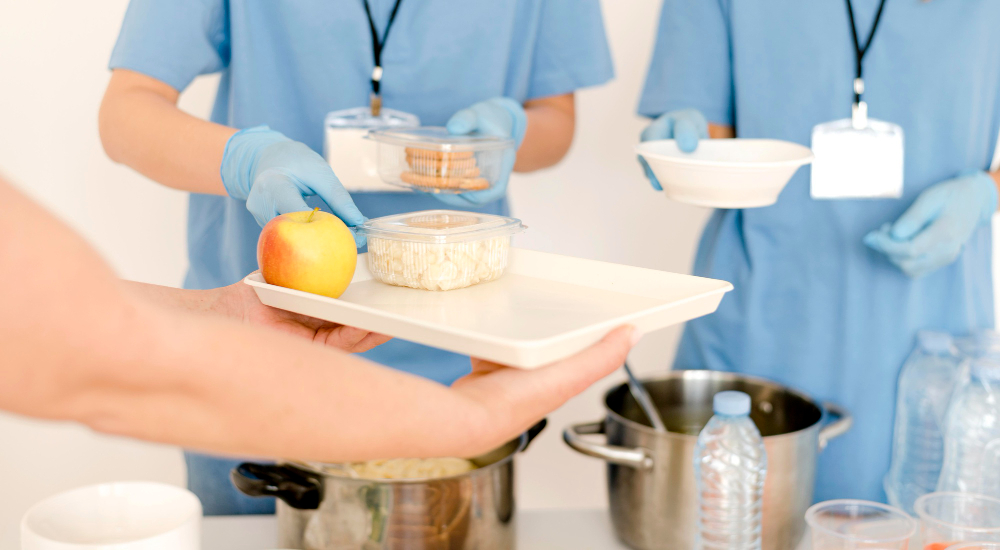
Food serves as powerful medicine. Hospital food safety is absolutely critical today. Patients rely on nutritious meals to recover faster. Furthermore, their immune systems are usually highly compromised. Therefore, a minor infection can trigger massive complications. Consequently, strict compliance is not optional. It is a strict legal mandate. Indian hospitals must prioritize these hygiene standards completely.
Let us explore FSSAI rules for healthcare facilities. Specifically, we will analyze nursing homes and medical canteens. This guide provides actionable insights for hospital administrators.
Why Food Standards Matter in Healthcare
Patients in healthcare facilities are highly vulnerable. However, some institutions occasionally overlook proper kitchen hygiene. This specific oversight causes severe medical risks. Foodborne illnesses delay patient recovery significantly. According to the World Health Organization (WHO), unsafe food creates a vicious cycle of disease. Conversely, safe meals boost healing and overall satisfaction.
Furthermore, pristine hospital food safety builds deep community trust. Families expect absolute cleanliness from medical providers. Therefore, maintaining flawless catering standards is essential. Specifically, nursing homes must remain highly vigilant. Consequently, adopting strong protocols prevents devastating legal issues. High-quality food directly reflects the quality of your healthcare.
Decoding FSSAI Regulations for Medical Facilities
The Food Safety and Standards Authority of India sets strict rules. Every medical facility serving food needs official certification. Furthermore, this mandate includes in-house kitchens and outsourced canteens. Therefore, administrators must evaluate their daily meal volumes carefully. The Food Safety and Standards Authority of India (FSSAI) requires meticulous compliance from all food business operators.
Registration Versus Proper Licensing
Small clinics might only need basic registration. However, large hospitals require state or central licenses. Specifically, your bed capacity dictates this exact requirement. Therefore, choosing the correct application is crucial. Consequently, applying for the appropriate FSSAI license prevents heavy financial penalties. Furthermore, you must display this license prominently inside your cafeteria.
Essential Infrastructure Requirements
Kitchen layouts require strategic and careful planning. Specifically, raw material zones must remain separated from cooking areas. Therefore, this physical separation prevents dangerous cross-contamination. Furthermore, adequate ventilation systems are legally required. Consequently, proper exhausts remove excess heat and airborne microbes. However, older nursing homes often struggle with these upgrades. Conversely, investing in modern infrastructure yields long-term safety benefits.
Core Principles of Hospital Kitchen Hygiene
Hygiene dictates every single kitchen operation. Handwashing stations must function perfectly at all times. Furthermore, staff must use liquid soap and disposable towels. Therefore, touchless dispensers are highly recommended for medical kitchens.
Managing Raw Materials Safely
Procurement directly impacts your final hospital food safety outcomes. Specifically, purchase ingredients only from FSSAI registered vendors. Therefore, tracking your supply chain ensures absolute accountability. Furthermore, receiving bays must remain clean and pest-free. Consequently, inspect all fresh produce immediately upon arrival. Reject any spoiled or heavily bruised vegetables instantly.
Temperature Control and Storage
Indian summers present massive storage challenges. However, proper temperature control prevents rapid bacterial growth. Specifically, cold storage units must maintain strict optimal temperatures. Therefore, daily temperature logging is absolutely mandatory. Furthermore, follow the First-In-First-Out inventory management method systematically. Consequently, older stock gets utilized before it aggressively spoils.
The Vital Role of Dietary Staff Training
Equipment alone cannot guarantee safe meals. Furthermore, human error causes most contamination incidents. Therefore, rigorous staff training is completely non-negotiable. The FSSAI mandates specific training modules for food handlers.
Implementing FoSTaC Guidelines
Food Safety Training and Certification is incredibly important. Specifically, every hospital needs certified Food Safety Supervisors. Therefore, these supervisors monitor daily kitchen hygiene strictly. Furthermore, they train junior staff on proper sanitation protocols. Consequently, regular refresher courses maintain high awareness levels. However, high staff turnover disrupts this crucial consistency. Conversely, continuous training programs solve this persistent industry challenge.
Personal Hygiene and Health Protocols
Kitchen staff must maintain impeccable personal hygiene. Furthermore, daily health checks prevent contagious disease transmission. Therefore, workers with fever or cuts must avoid food handling. Specifically, clean uniforms and headgear are strictly required. Consequently, administrators must enforce these basic rules aggressively.
Integrating Compliance with Hospital Quality Standards
Regulatory bodies prefer synchronized quality systems. Furthermore, the National Accreditation Board for Hospitals (NABH) aligns its dietary guidelines with FSSAI rules. Therefore, achieving dual compliance becomes much easier.
Conducting Regular Internal Audits
Do not wait for official government inspections. Specifically, conduct your own surprise internal kitchen audits. Therefore, you can identify hidden hygiene gaps proactively. Furthermore, standardized checklists make these internal audits highly effective. Consequently, immediate corrective actions prevent major system failures. However, self-audits require total honesty and deep transparency. Conversely, hiding minor flaws leads to catastrophic safety breakdowns.
Managing Kitchen Waste Efficiently
Waste disposal requires immense care in clinical settings. Furthermore, food waste must never mix with biomedical waste. Therefore, clearly color-coded bins are absolutely essential. Specifically, clear garbage frequently to prevent foul odors. Consequently, professional pest control treatments must occur on schedule. Flies and rodents destroy hospital food safety instantly.
Conclusion
Protecting patients requires constant and aggressive vigilance. Furthermore, hospital food safety is a daily operational commitment. Specifically, Indian healthcare providers must embrace FSSAI standards fully. Therefore, prioritizing clean kitchens protects your most vulnerable patients. Consequently, safe food accelerates healing and saves precious lives.
FAQ SECTION
What is the basic FSSAI requirement for a small nursing home? Small nursing homes serving food must obtain a basic FSSAI Registration. However, if their annual turnover exceeds the legal limit, they must apply for a State License immediately.
How frequently should hospital kitchen staff undergo health checkups? FSSAI mandates comprehensive medical examinations for all food handlers at least once a year. Furthermore, routine daily checks for infectious symptoms are absolutely essential.
Can a hospital outsource its kitchen and avoid FSSAI compliance? No. If a hospital outsources catering, both the hospital and the external vendor must hold valid FSSAI licenses. Therefore, the hospital administration remains equally responsible.
Why is RO water mandatory in hospital kitchens? RO water prevents dangerous waterborne pathogens from entering patient meals. Specifically, FSSAI requires periodic water testing to ensure the water used for cooking is thoroughly safe.