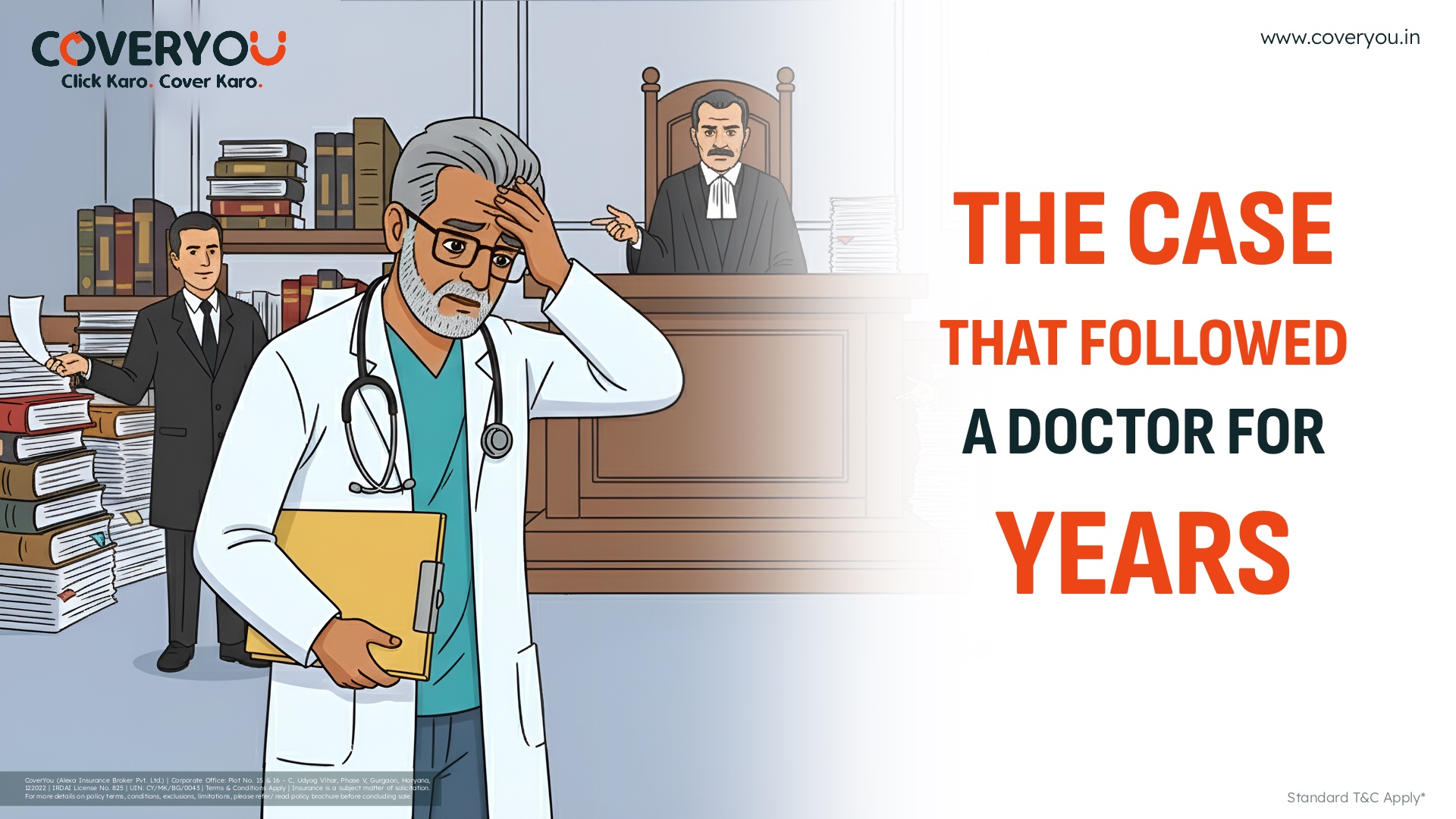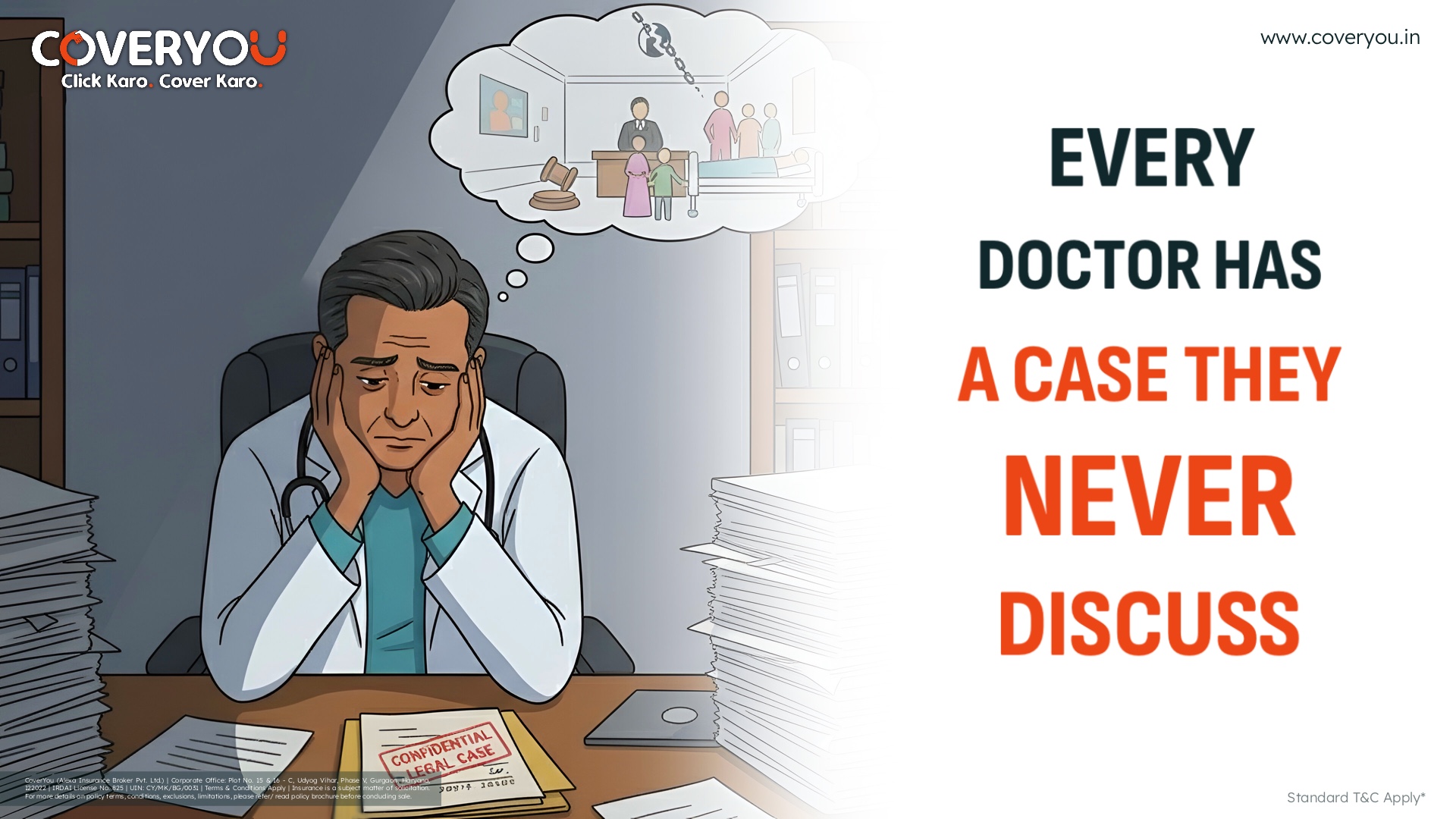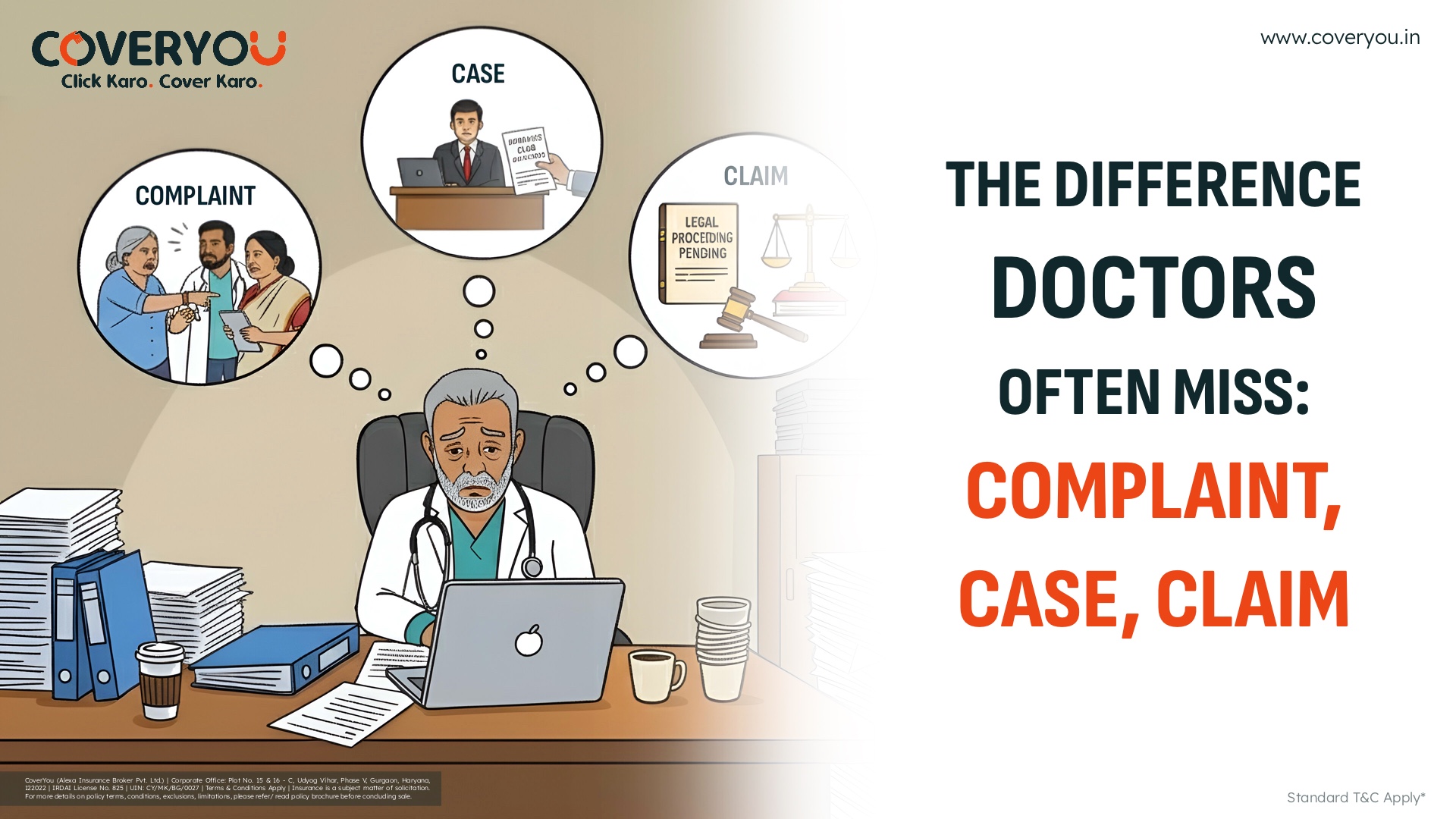

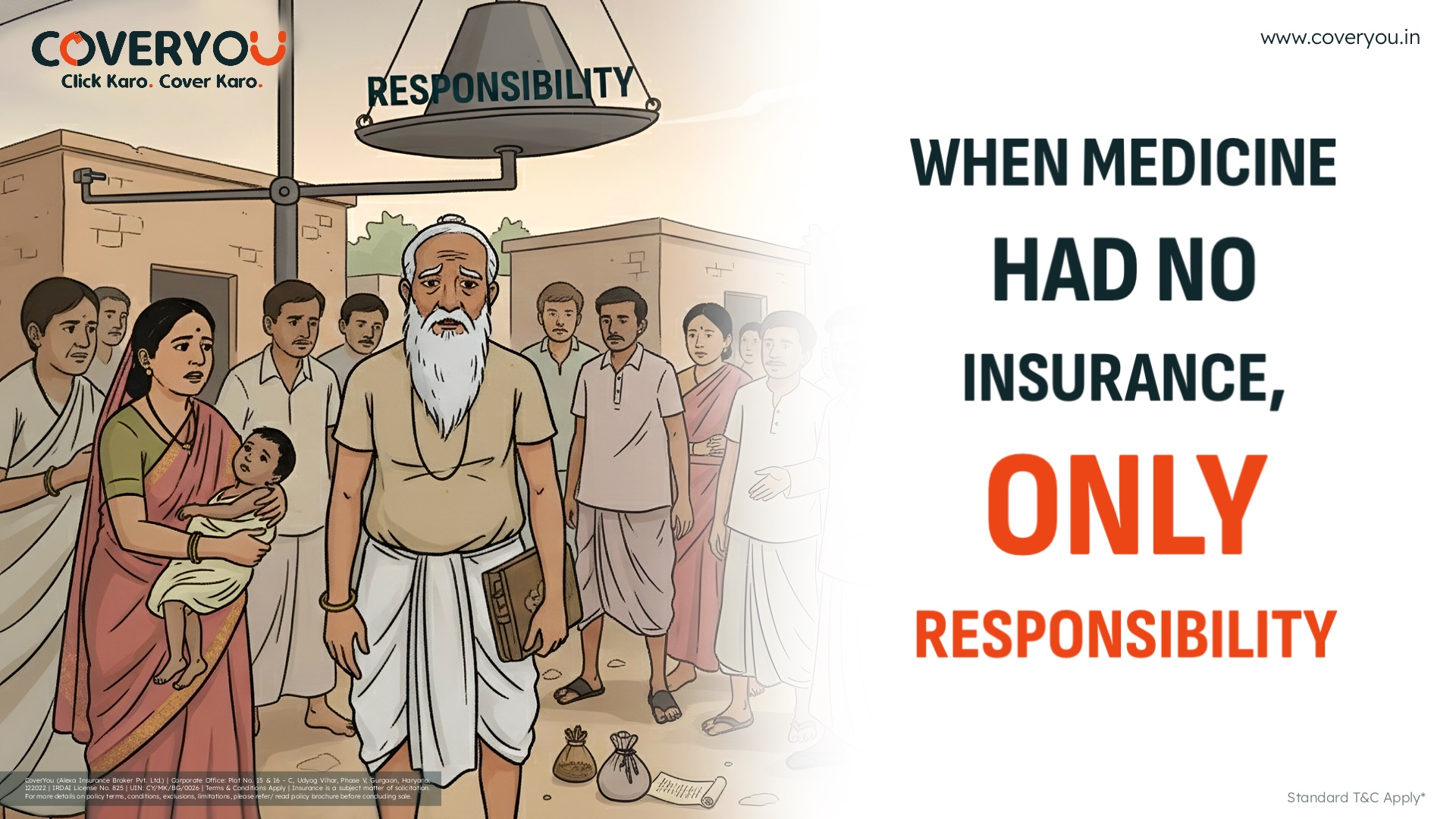
There was a time when Indian doctors practised without the safety nets that exist today.
No professional indemnity.
No legal teams on call.
No structured defence beyond personal reputation and community trust.
What they carried instead was responsibility – absolute, unbuffered, and personal.
In the early decades of the twentieth century, medicine in India was practised largely in isolation. Clinics were extensions of homes. Hospitals were few, underfunded, and often overwhelmed. Decisions were made with limited diagnostics and even fewer second opinions.
When outcomes went wrong, there was no system to absorb the impact.
The doctor absorbed it.
Mistakes were discussed in corridors, not courts. Accountability existed, but it was informal – enforced by peers, elders, and personal conscience rather than documentation.
This did not mean medicine was careless.
It meant it was intimate.
Doctors knew their patients not as case numbers, but as families. Treatment decisions were shaped as much by context as by textbooks. The doctor–patient relationship functioned on trust because there was no alternative structure to fall back on.
When complications arose, explanations happened face to face. Disputes were resolved within communities. Reputation travelled faster than records.
But responsibility without protection has limits.
As medicine advanced, so did expectations. Procedures became more complex. Outcomes became less predictable. Hospitals expanded. Teams grew larger. The personal bond that once absorbed risk began to thin.
Responsibility remained – but it was no longer contained.
By the time formal legal frameworks entered medical practice, doctors were still carrying the old ethic: that every outcome rested solely on their shoulders. What had changed was the environment around them.
Documentation replaced memory.
Processes replaced personal assurances.
Silence became riskier than explanation.
Insurance did not emerge to replace responsibility. It emerged because responsibility alone was no longer sustainable.
Yet many doctors still practise as if nothing has changed – absorbing pressure silently, relying on personal judgement to navigate systems that are now far larger and less forgiving than before.
The past reminds us of something important.
Medicine was never practised lightly.
It was practised with weight.
What has changed is not the burden – but whether that burden is shared.
End.