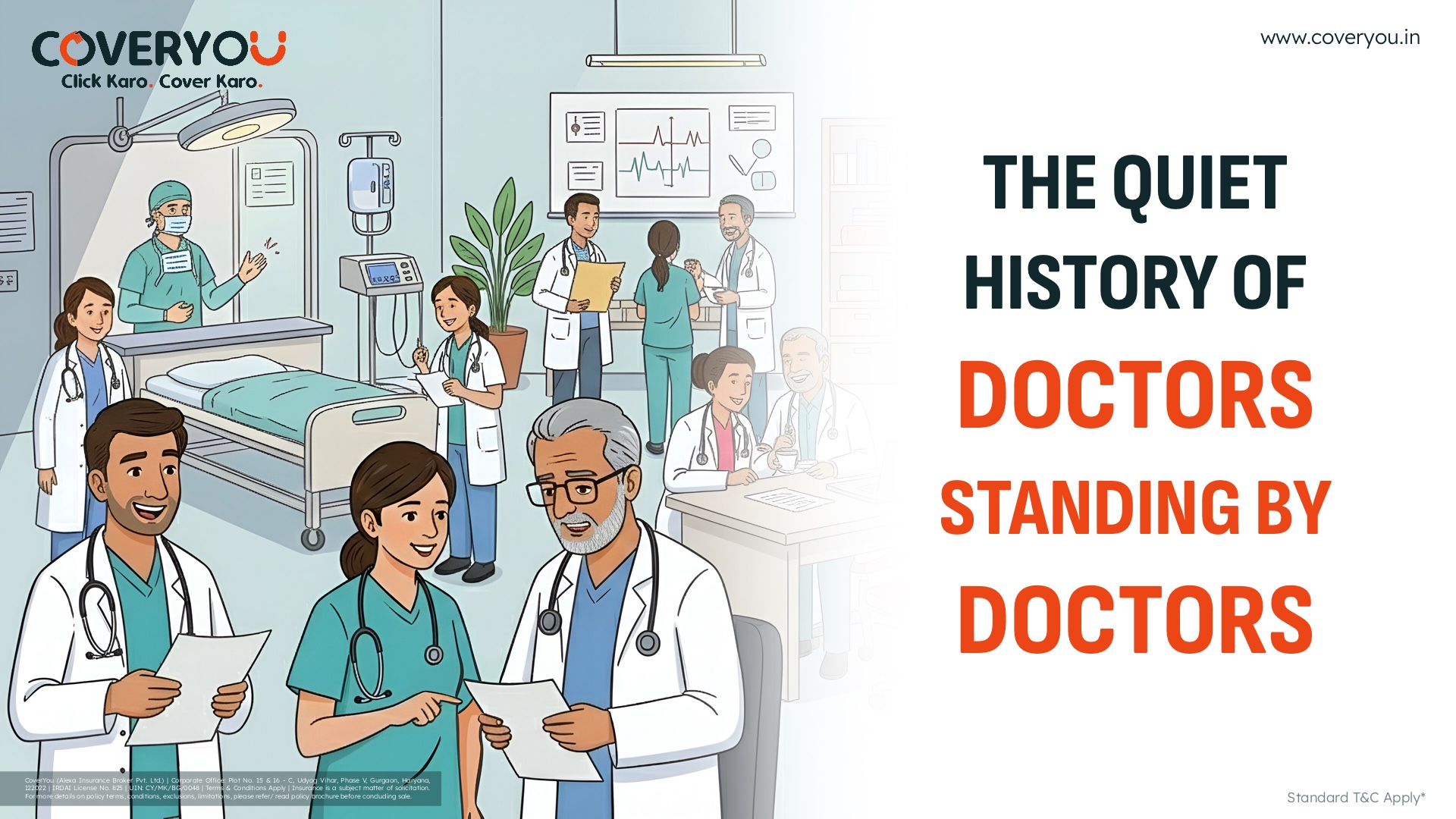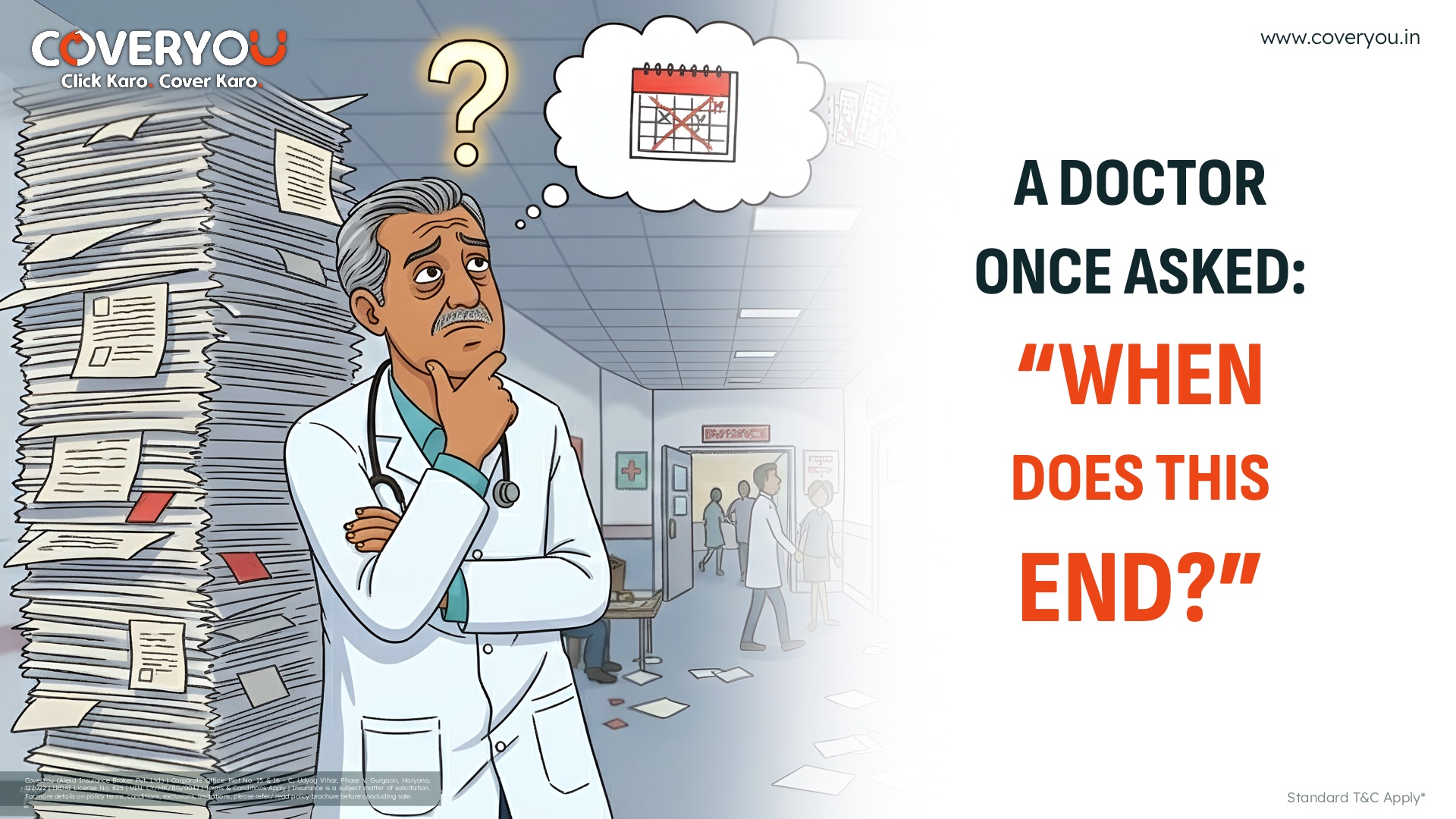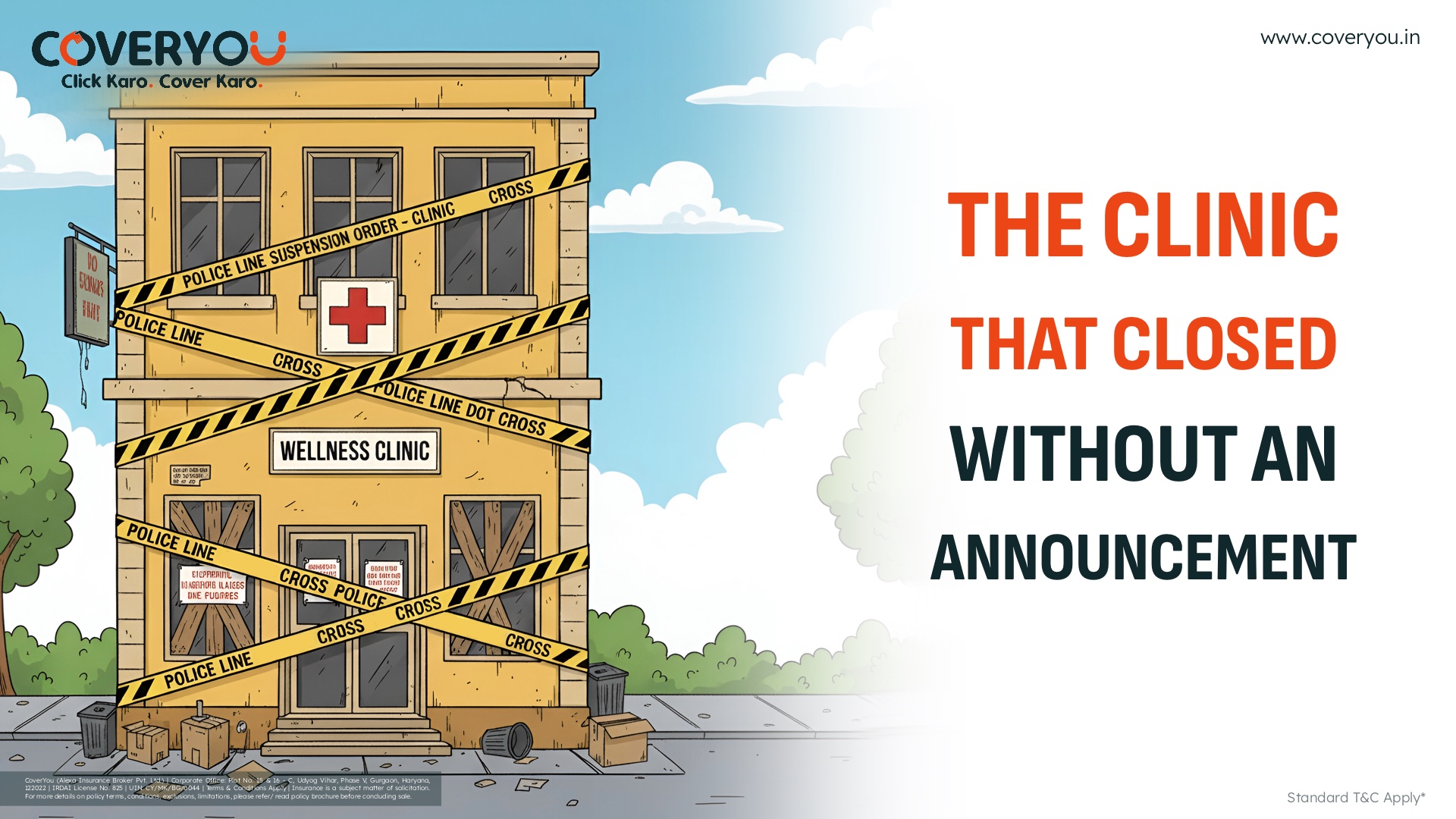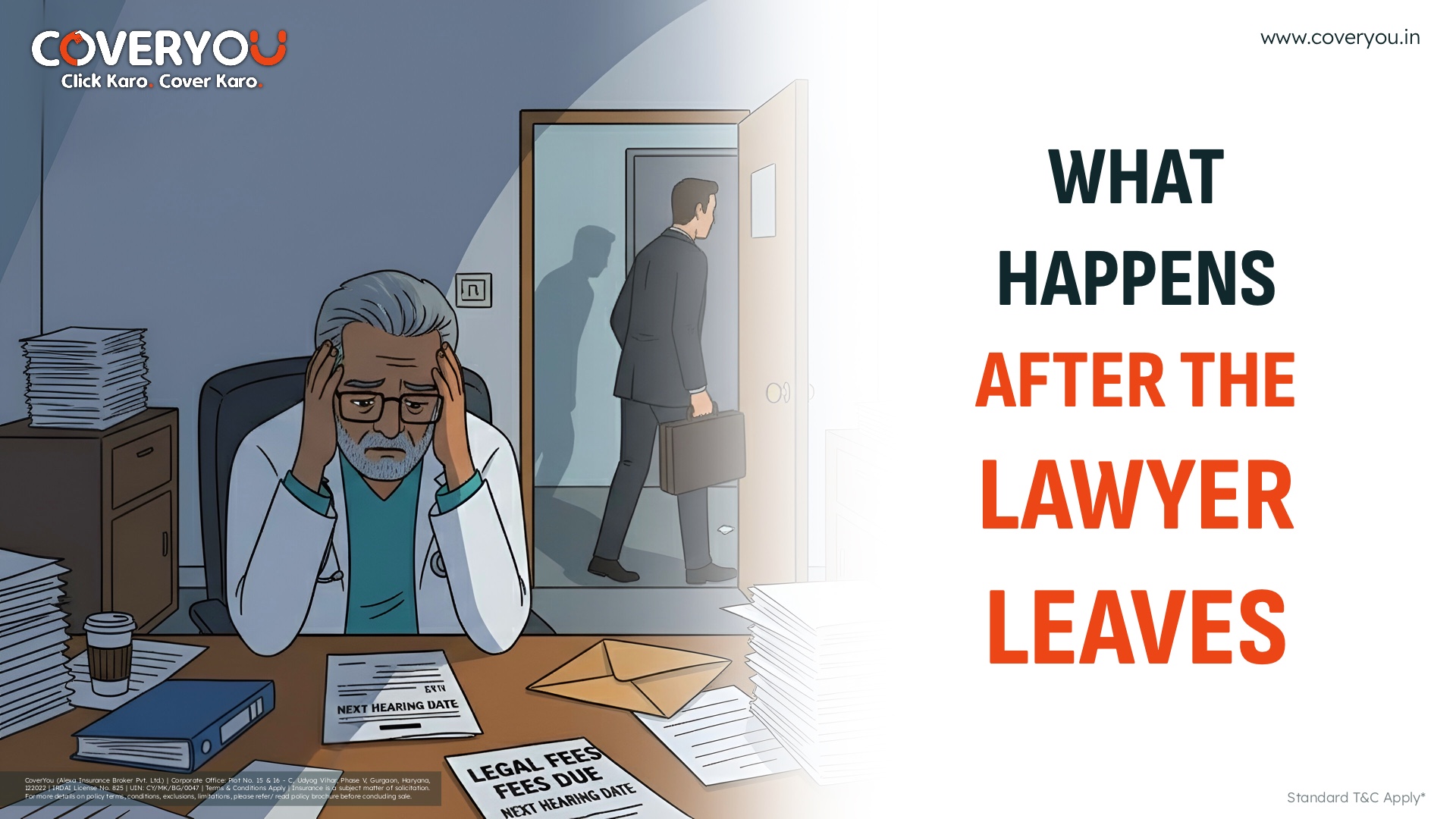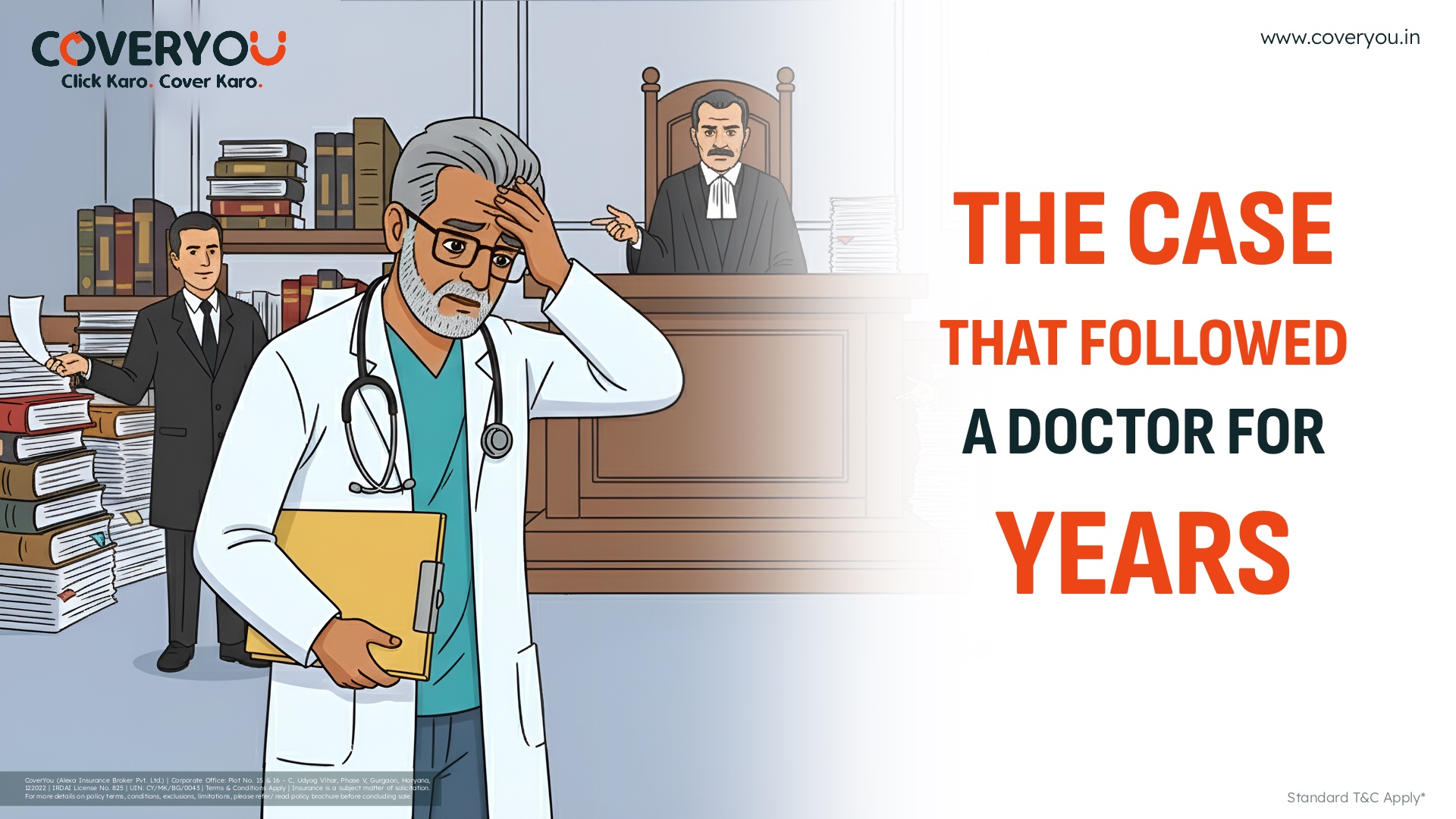

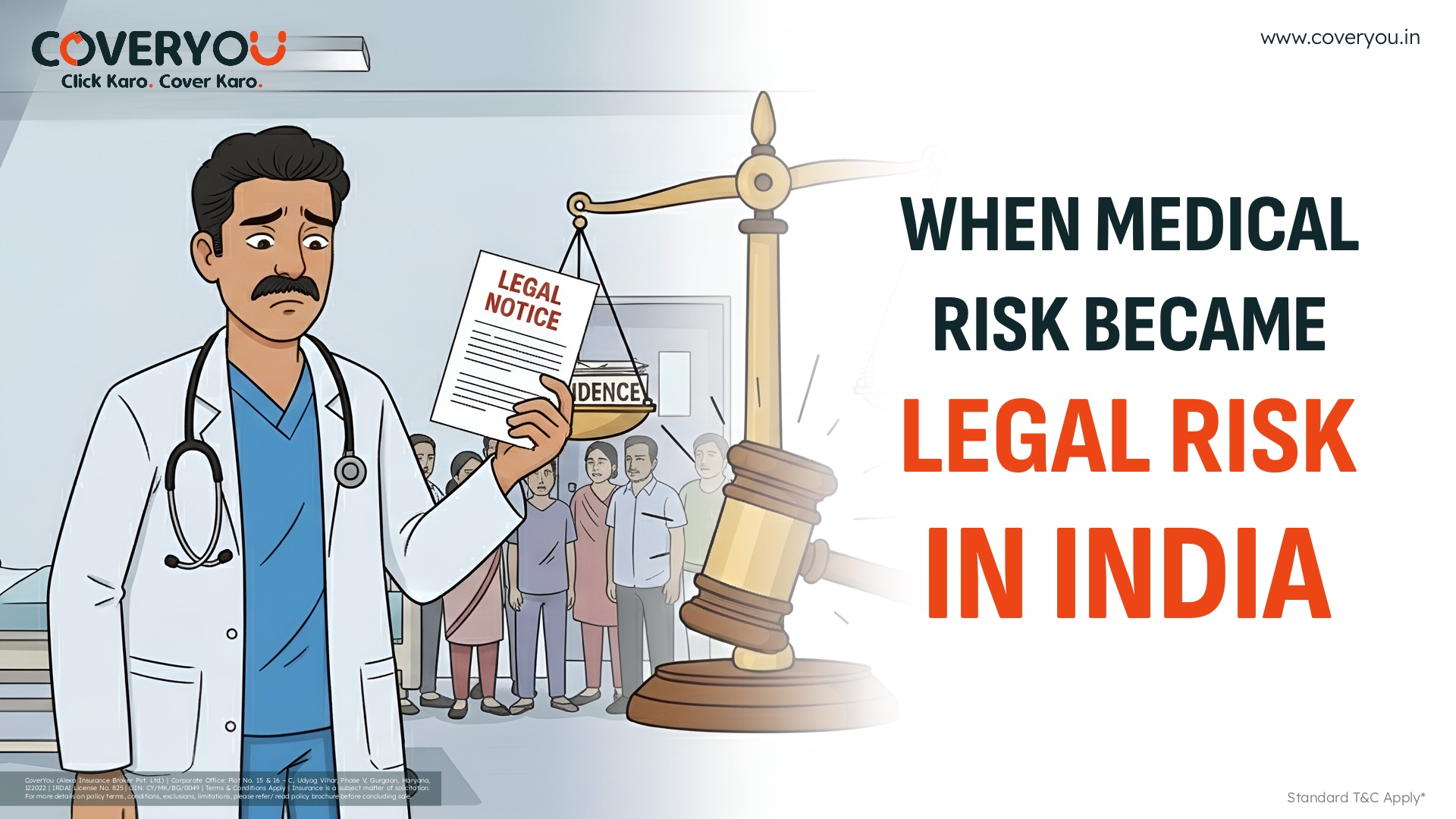
Medical risk has always existed.
Complications, adverse outcomes, and uncertainty are inherent to clinical practice. For decades, these risks were managed within the profession – through peer review, ethical oversight, and personal accountability.
Legal risk arrived later.
In India, the formal intersection of medicine and consumer law marked a shift not in how doctors practised medicine, but in how outcomes were interpreted.
Earlier, risk was clinical.
Now, it became contextual.
Outcomes were no longer assessed only by medical peers, but by legal frameworks designed for consumer protection. Intent, judgement, and complexity had to be translated into language that systems outside medicine could understand.
This transition was gradual.
Initially, cases were few. Doctors viewed them as anomalies. Over time, precedent accumulated. Expectations adjusted. Awareness spread – among patients and practitioners alike.
Medical decisions now carried a second dimension.
A decision could be clinically appropriate and still be legally questioned. Documentation began serving dual purposes – continuity of care and defence of judgement.
This did not make doctors defensive by nature. It made them adaptive.
Consent processes expanded. Communication became structured. Risk was no longer something managed only through skill – it had to be anticipated administratively.
Medical risk did not increase.
Visibility did.
What changed was not the frequency of complications, but the framework through which they were evaluated.
Today, Indian medicine operates at this intersection continuously. Doctors navigate care knowing that outcomes live beyond clinics – in records, forums, and interpretations that unfold over time.
This is not a weakening of medicine.
It is a redefinition of responsibility.
Medical risk still exists.
Legal risk now travels with it.
Understanding when and how this shift occurred helps doctors practise with clarity – not fear.
End.