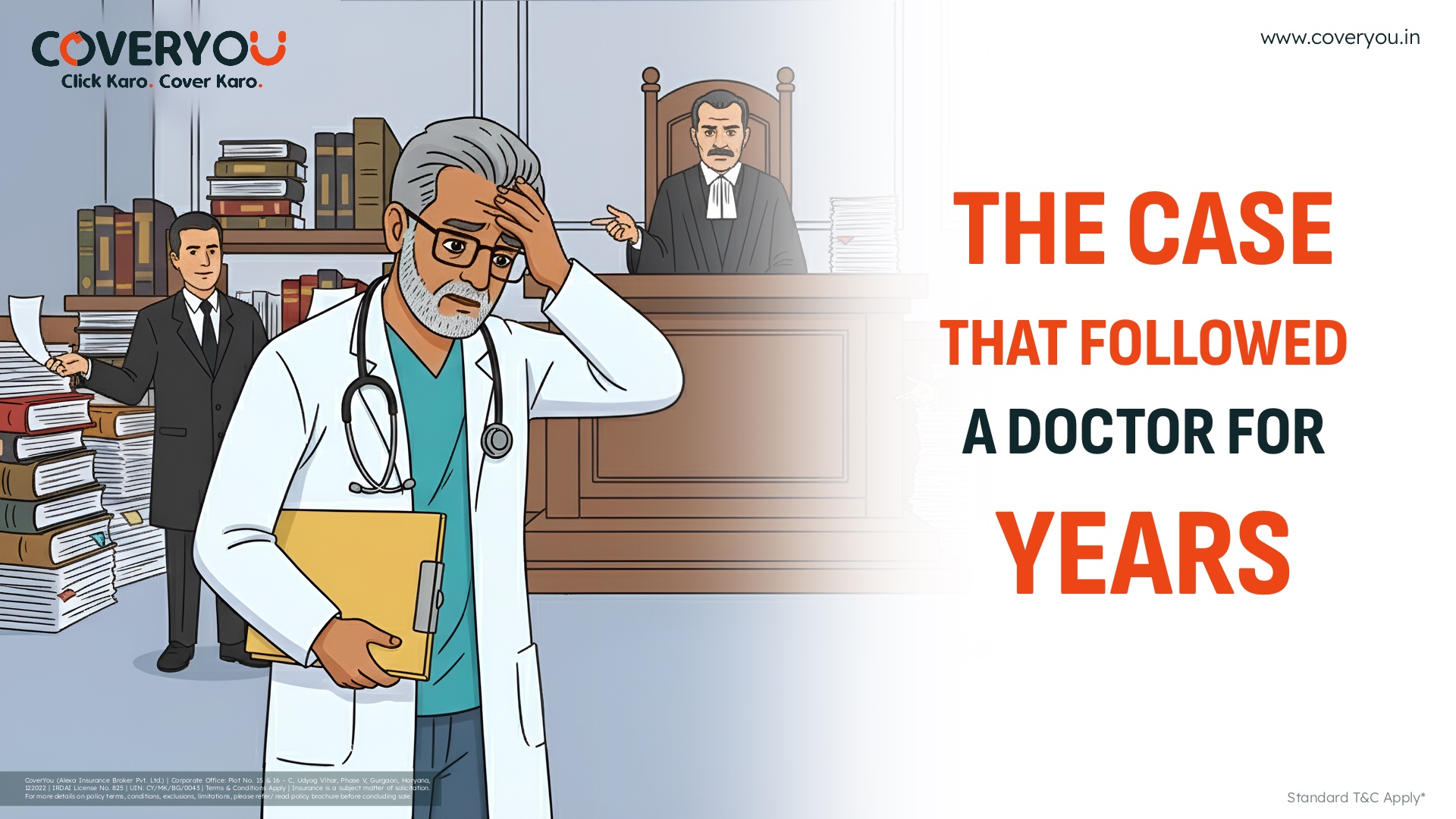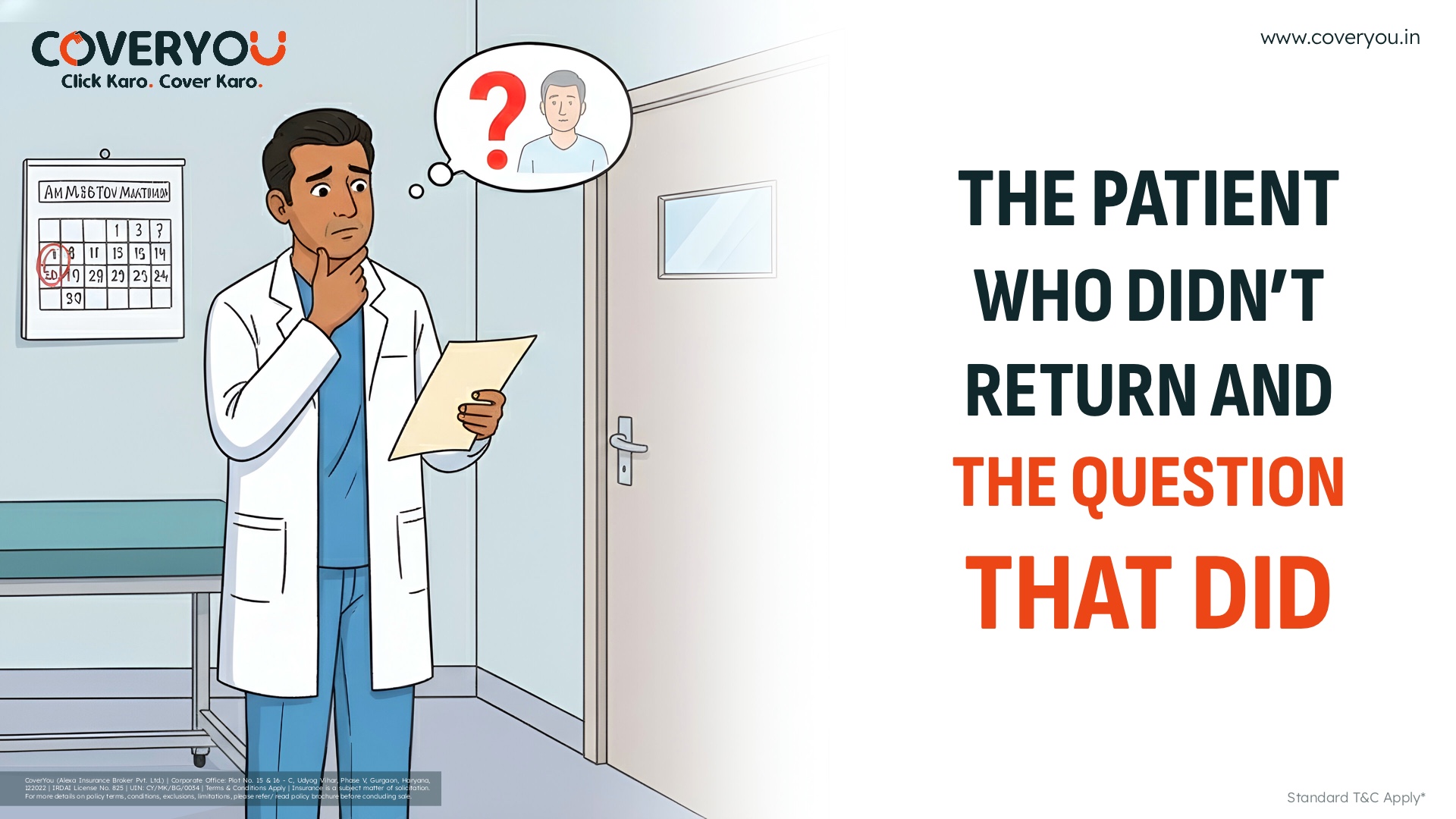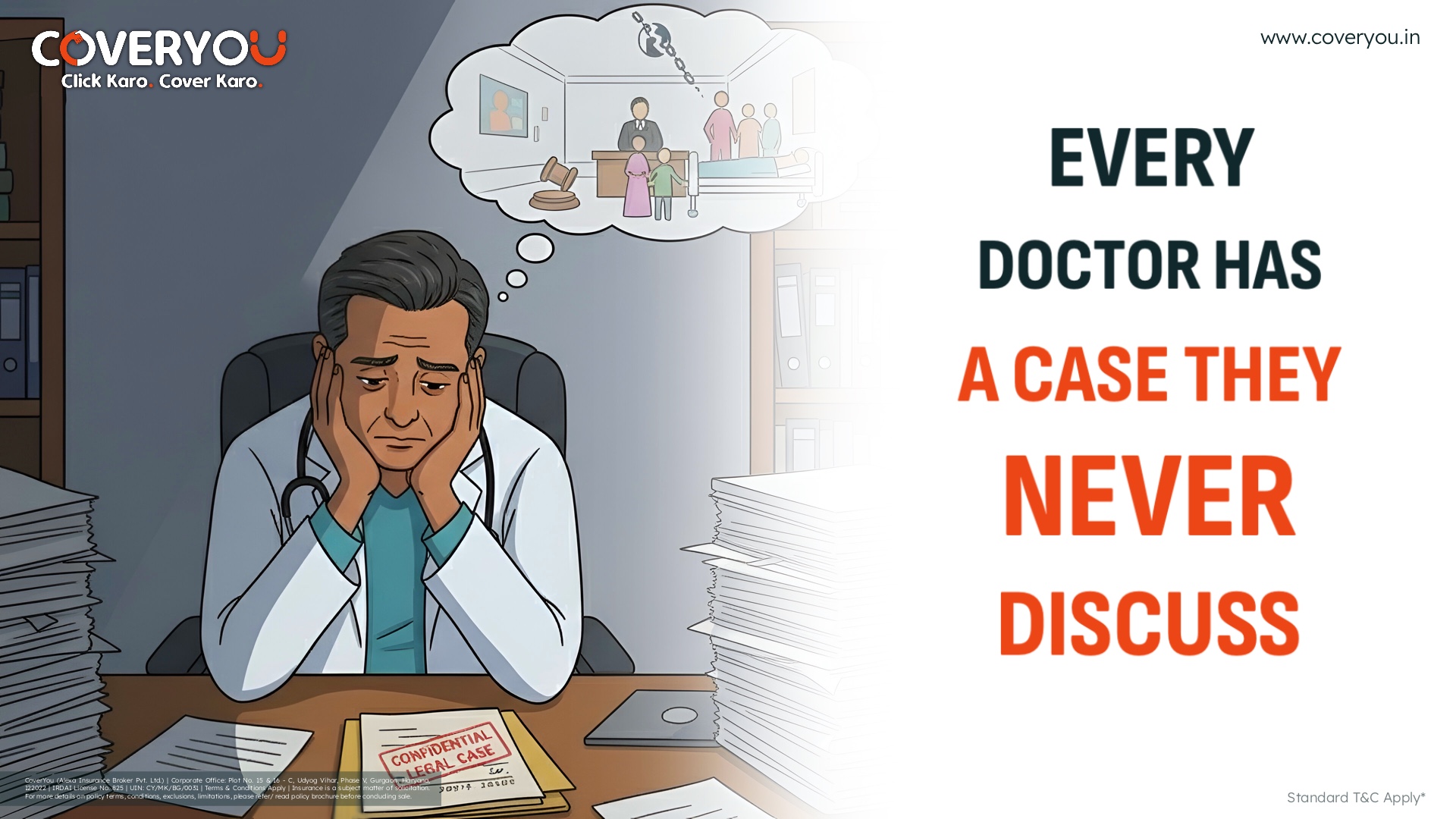

The lawyer left on time.
The meeting ended politely. Questions had been answered carefully. Notes were taken. Assurances were exchanged in measured language.
Nothing dramatic happened.
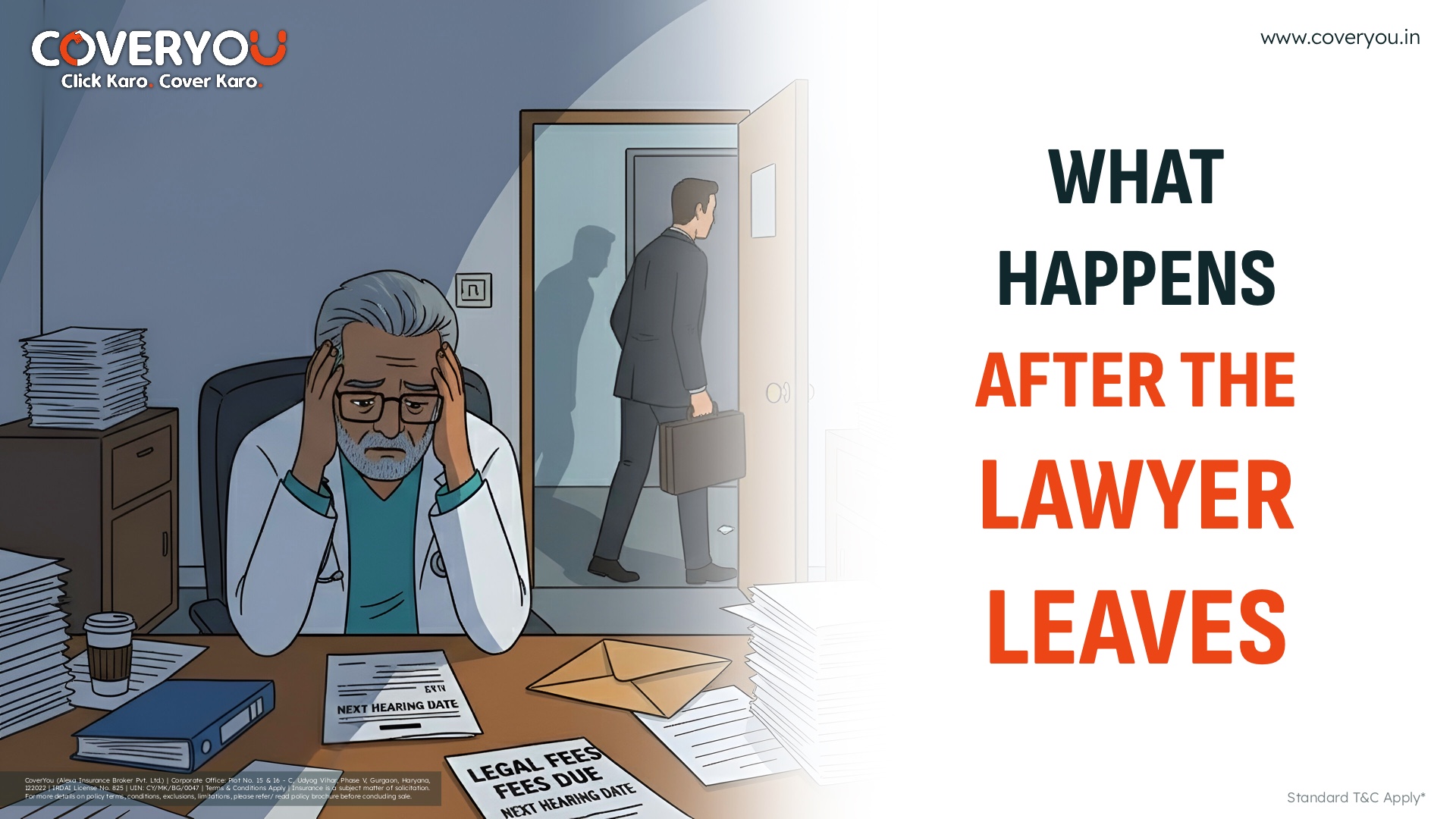
The lawyer gathered papers, shook hands, and walked out. The door closed behind them with a soft click.
For a moment, the room stayed quiet.
No one rushed to speak.
No one moved immediately.
The presence that had filled the space – structured, procedural, deliberate – was suddenly gone.
What remained was unfamiliar.
The doctor sat back in the chair, aware of a strange shift. While the lawyer was present, responsibility felt shared. Words were chosen carefully. Silence had purpose.
After the lawyer left, the weight returned.
Not all at once.
Gradually.
There were no instructions for what came next. No checklist for the hours that followed. Life at the clinic resumed – patients waited, phones rang, consultations continued.
But something had changed.
The doctor noticed it in small ways.
A hesitation before speaking freely.
A tendency to reread messages before sending them.
An awareness that certain conversations now carried a second audience, even when none was present.
The lawyer had addressed the case.
But the doctor had to continue practising.
This is the part no one prepares doctors for.
The formal process comes with guidance. The aftermath does not. Once professionals leave, systems expect doctors to return to normal functioning immediately.
And they do.
They see patients. They make decisions. They carry on.
But the residue of scrutiny remains — not as fear, but as alertness. A recalibration that stays active long after formal involvement ends.
The lawyer’s role is temporary.
The doctor’s is not.
What happens after the lawyer leaves is rarely visible. There are no markers for it. No documents record the shift.
But it shapes practice quietly.
Not by restricting it –
by refining it.
End.