
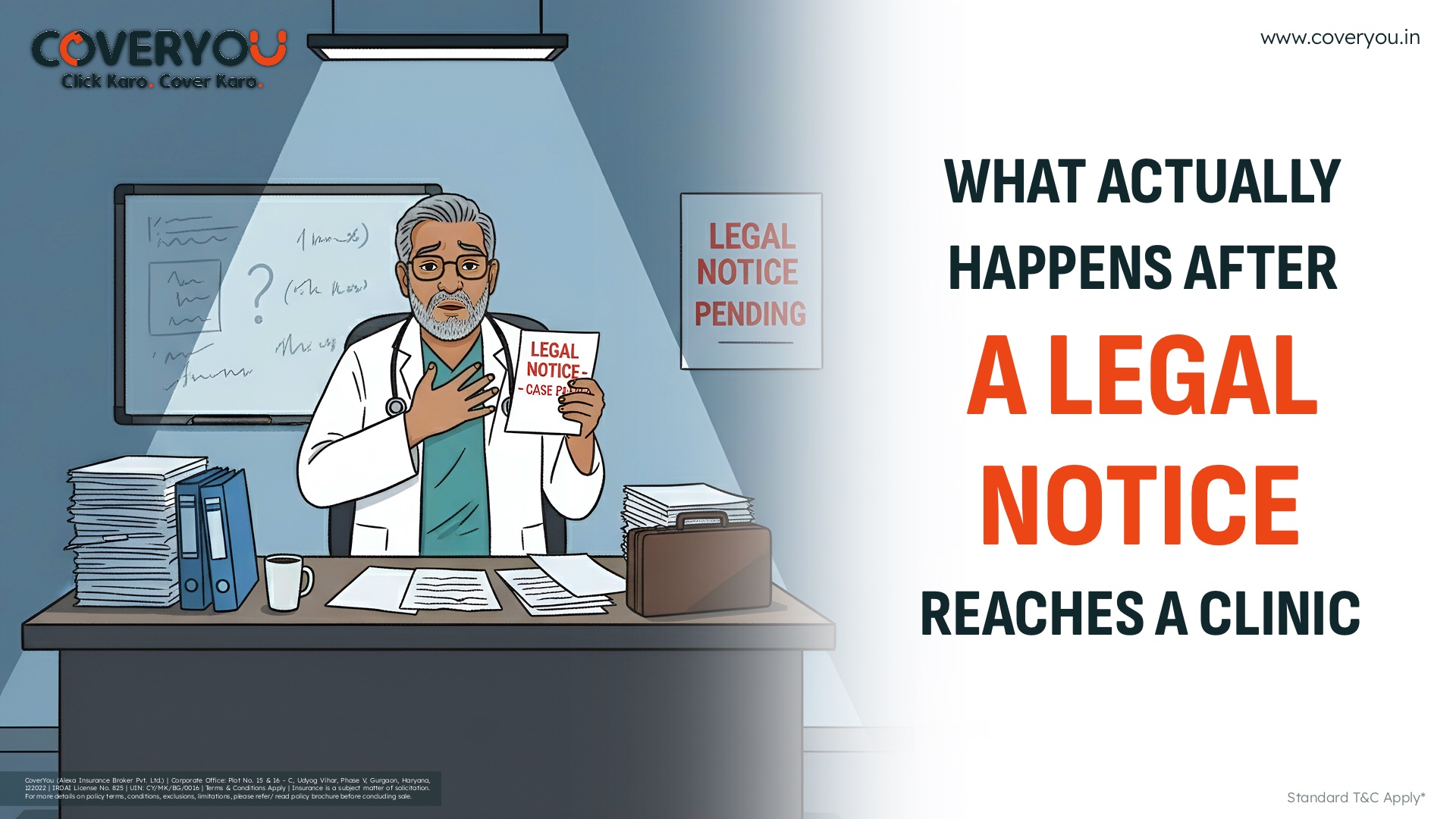
For most doctors, a legal notice arrives without warning.
It doesn’t look dramatic.
It isn’t stamped urgent in red.
It often comes folded inside an envelope that looks like any other.
But once opened, it changes the temperature of the room.
The first thing to understand is this:
a legal notice is not a verdict. It is not even a case.
It is a formal communication – a request for response.
Here is what usually happens next.
Step 1: The Notice Is Read – Often More Than Once
Doctors read the notice carefully, then re-read it, looking for what they might have missed. The language feels unfamiliar, sometimes accusatory, sometimes vague.
This is normal. Legal notices are written to preserve options, not to explain intent.
At this stage, nothing has legally moved forward.
Step 2: The Clinic Pauses – Briefly
Appointments continue. Patients are seen. But internally, there is a pause.
Files related to the incident are pulled out. Dates are checked. Notes are reviewed. Conversations are replayed mentally.
This is not overreaction. It is orientation.
Step 3: Documentation Becomes Central
What matters most now is not memory, but record.
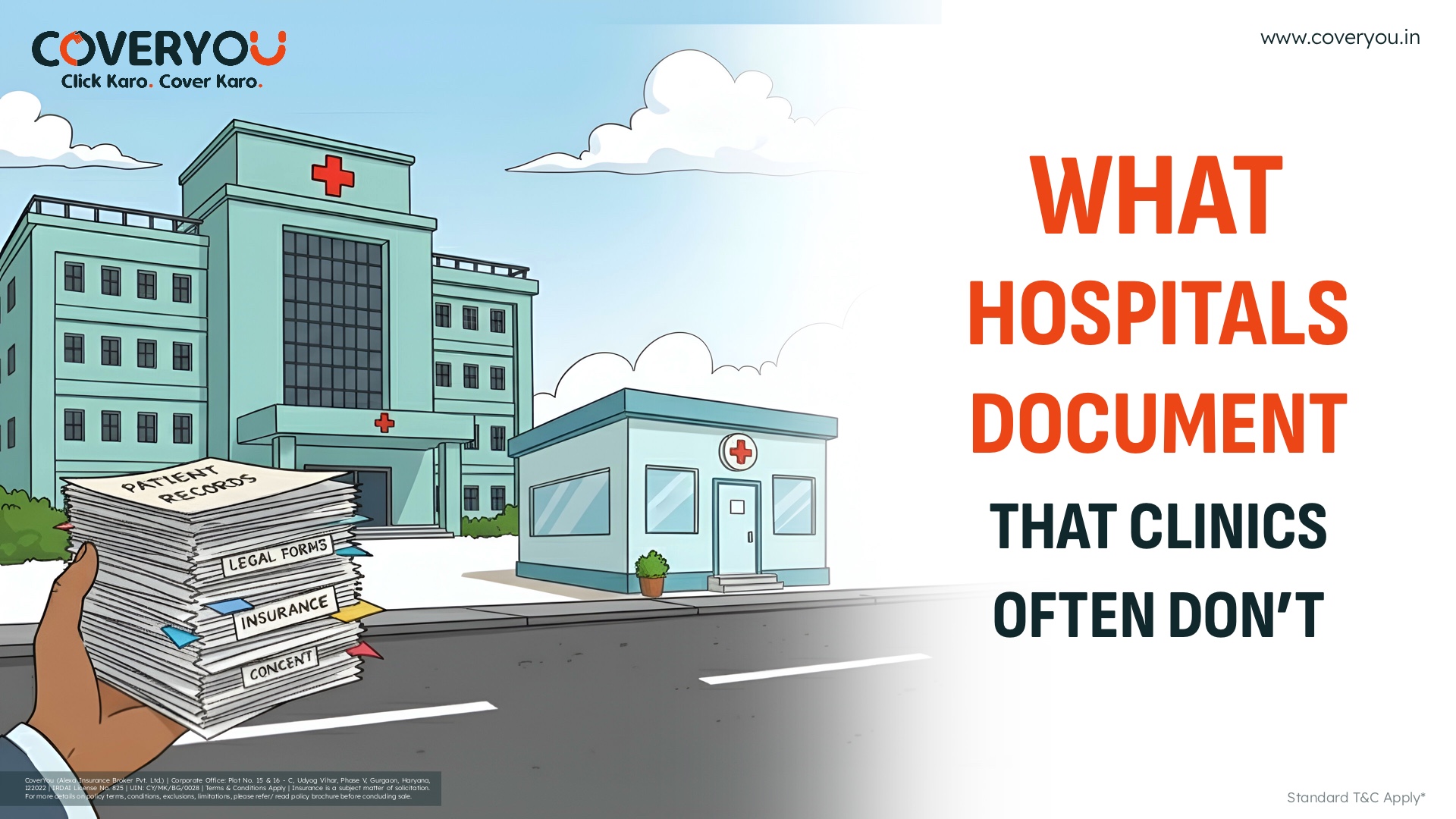
- Case sheets
- Consent forms
- Investigation reports
- Referral notes
These documents become the primary reference point – not just for response, but for clarity.
Doctors often realise here that what felt obvious at the time was never written down.
Step 4: A Response Is Prepared
The notice requires a reply within a specified period. This response is not about proving innocence or assigning blame.
It is about stating facts clearly, accurately, and without escalation.
Most responses are drafted conservatively. Over-explaining is avoided. Emotional language is unnecessary.
The goal is alignment, not confrontation.
Step 5: Waiting Begins
After the response is sent, nothing may happen immediately.
This waiting period is often the hardest part. The uncertainty feels heavier than action. But silence does not mean escalation.
In many cases, the matter does not proceed further.
What a Legal Notice Is – and Isn’t
It is:
- A formal query
- A procedural step
- A request for clarification
It is not:
- A judgement
- A finding of negligence
- A guarantee of litigation
Understanding this distinction matters.
When doctors treat a notice as the beginning of a crisis, anxiety takes over decision-making. When it is treated as the beginning of a process, responses remain measured.
The notice marks attention – not conclusion.
What happens next depends less on the emotion of the moment and more on how calmly the process is handled.
End.