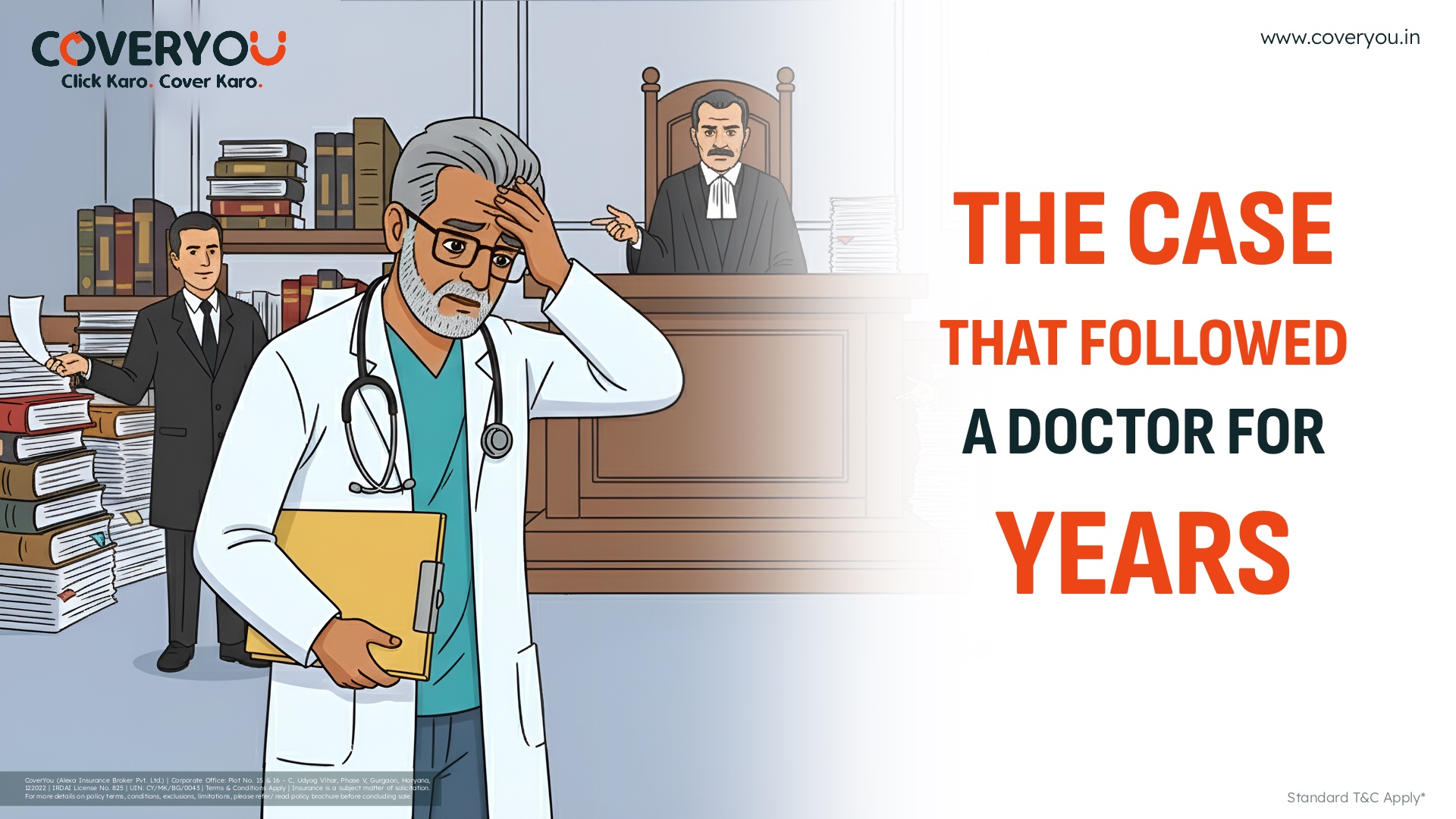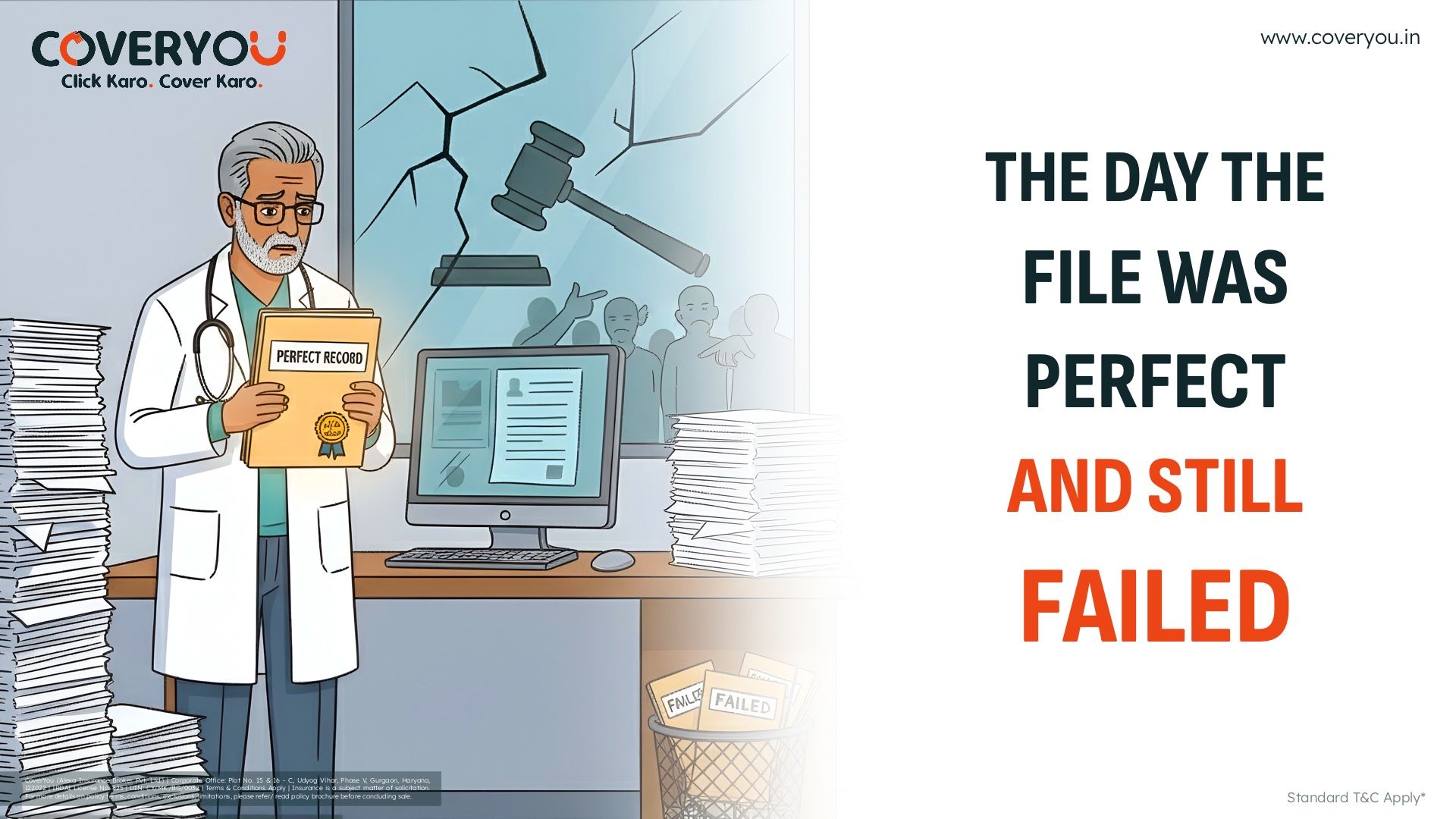

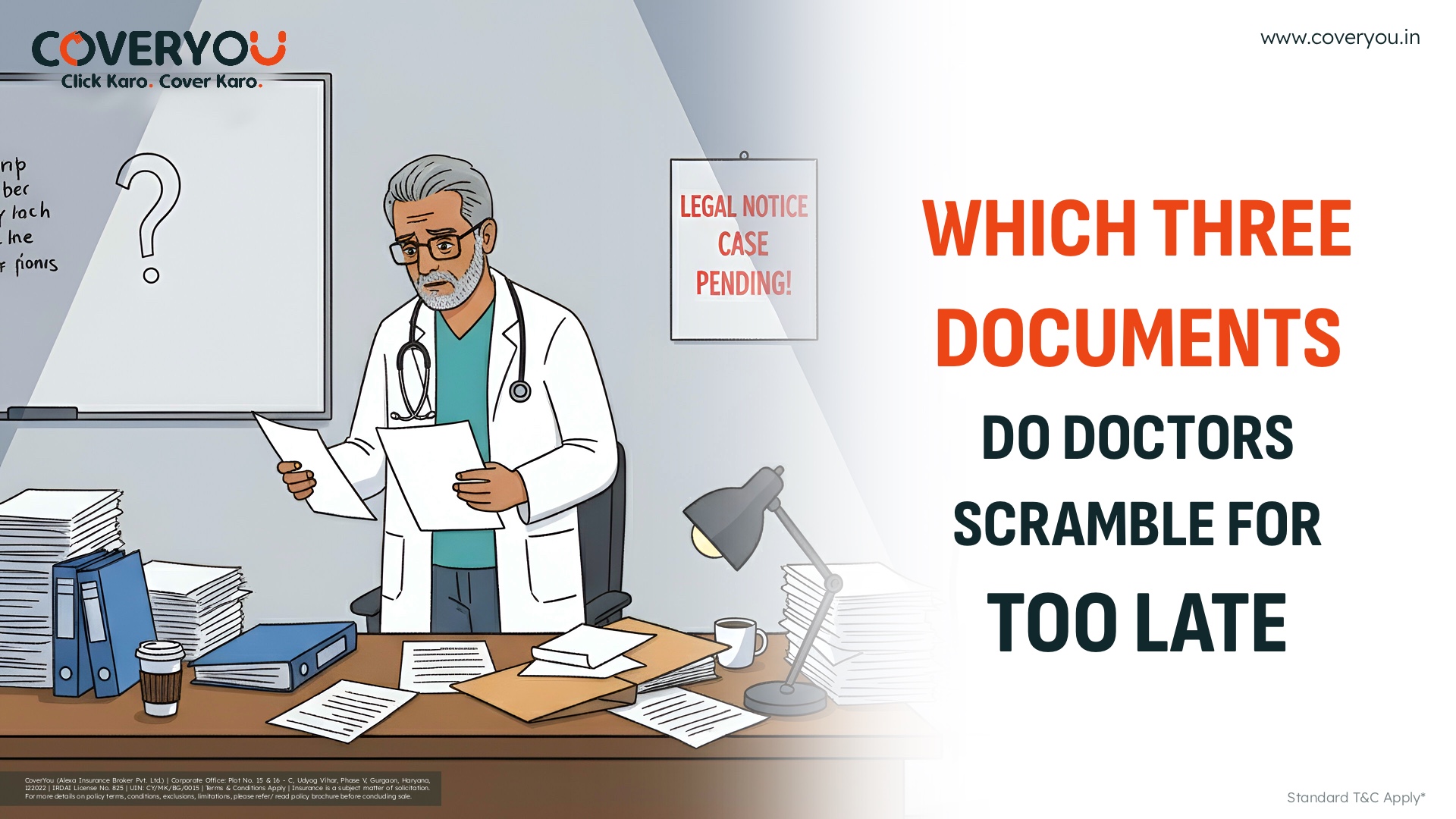
When something goes wrong, doctors don’t scramble for explanations first.
They scramble for documents.
Not because they were careless — but because documentation rarely feels urgent until it suddenly becomes essential.
Across clinics, specialties, and experience levels, the same three documents surface again and again — usually later than they should.
1. The Consent That Was Assumed to Be Understood
Consent forms are often signed quickly, treated as routine, or explained verbally with confidence that feels sufficient at the time.
The problem isn’t absence.
It’s adequacy.
Many consent forms exist, but don’t reflect:
- the specific procedure,
- the context in which it was performed,
- or the risks that later become central to questions raised.
When reviewed later, generic consent creates room for interpretation — and interpretation rarely favours assumptions.
What doctors scramble for is not a consent form, but the right one.
2. The Case Sheet That Tells the Full Story
Case sheets are written for continuity of care, not for scrutiny.
They capture symptoms, findings, treatment — but often miss:
- why a particular decision was taken,
- what alternatives were considered,
- or what uncertainties existed at the time.
In hindsight, these gaps feel glaring.
Not because the care was inappropriate, but because reasoning lives in the doctor’s head, not always on paper.
When questions arise later, doctors search for narrative clarity in notes that were never meant to carry that weight.
3. The Timeline That Was Never Consolidated
Events unfold over hours, days, sometimes weeks.
Individually, each action feels clear. Collectively, they form a timeline that is rarely written down in one place.
When scrutiny begins, doctors are often asked to recall:
- exact sequences,
- who was informed and when,
- how decisions progressed.
Without a consolidated timeline, memory fills the gaps — and memory is vulnerable under pressure.
What doctors scramble for here is coherence.
Why These Documents Matter
These documents are not about defence.
They are about alignment.
They ensure that what was done, why it was done, and how it unfolded can be understood without relying on recollection alone.
Most doctors don’t ignore documentation out of negligence. They do so because time is limited and outcomes usually resolve without issue.
But when they don’t, documentation becomes the difference between explanation and speculation.
The best time to strengthen records is not after something happens.
It is during the many days when nothing does.
End.