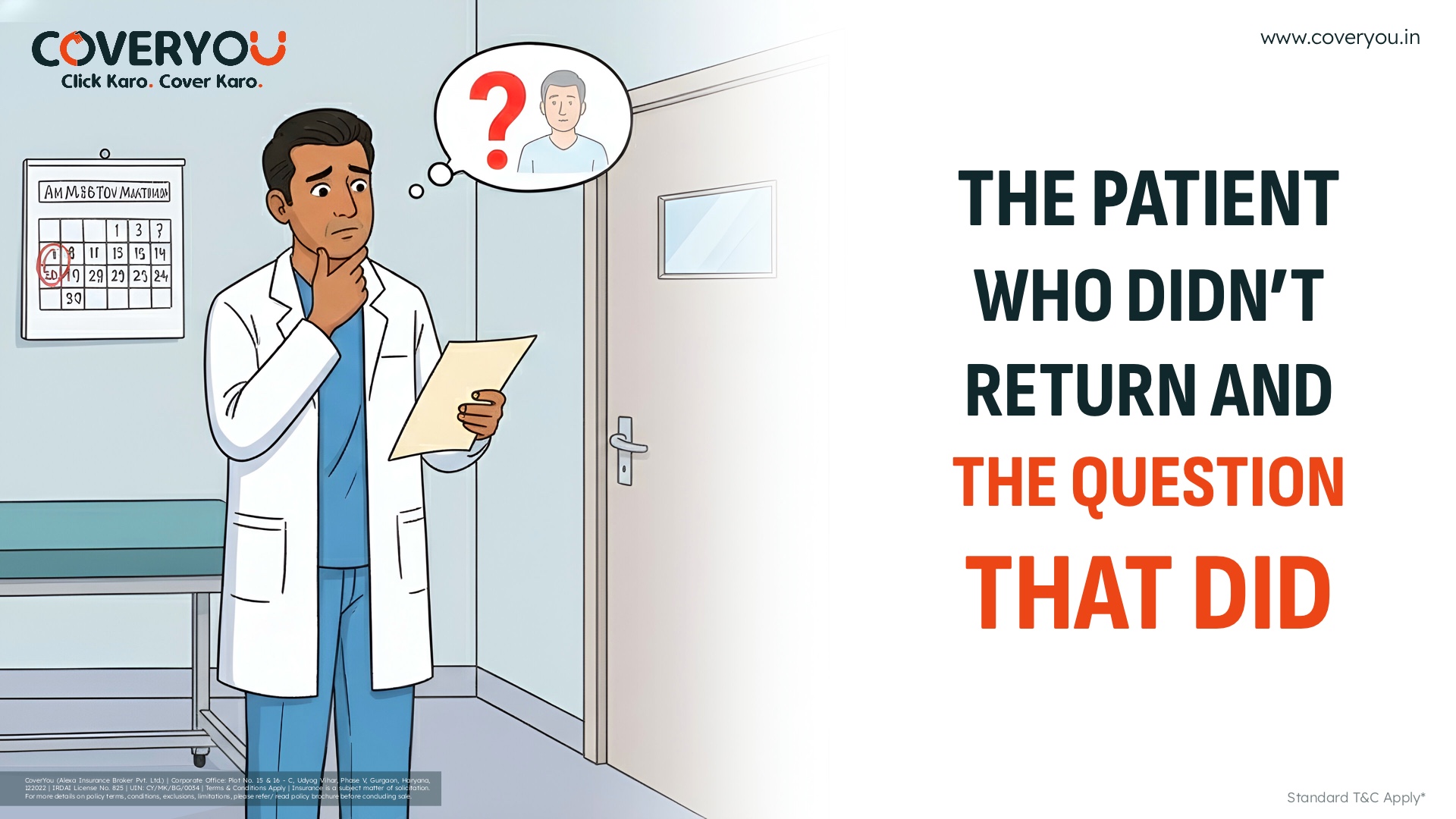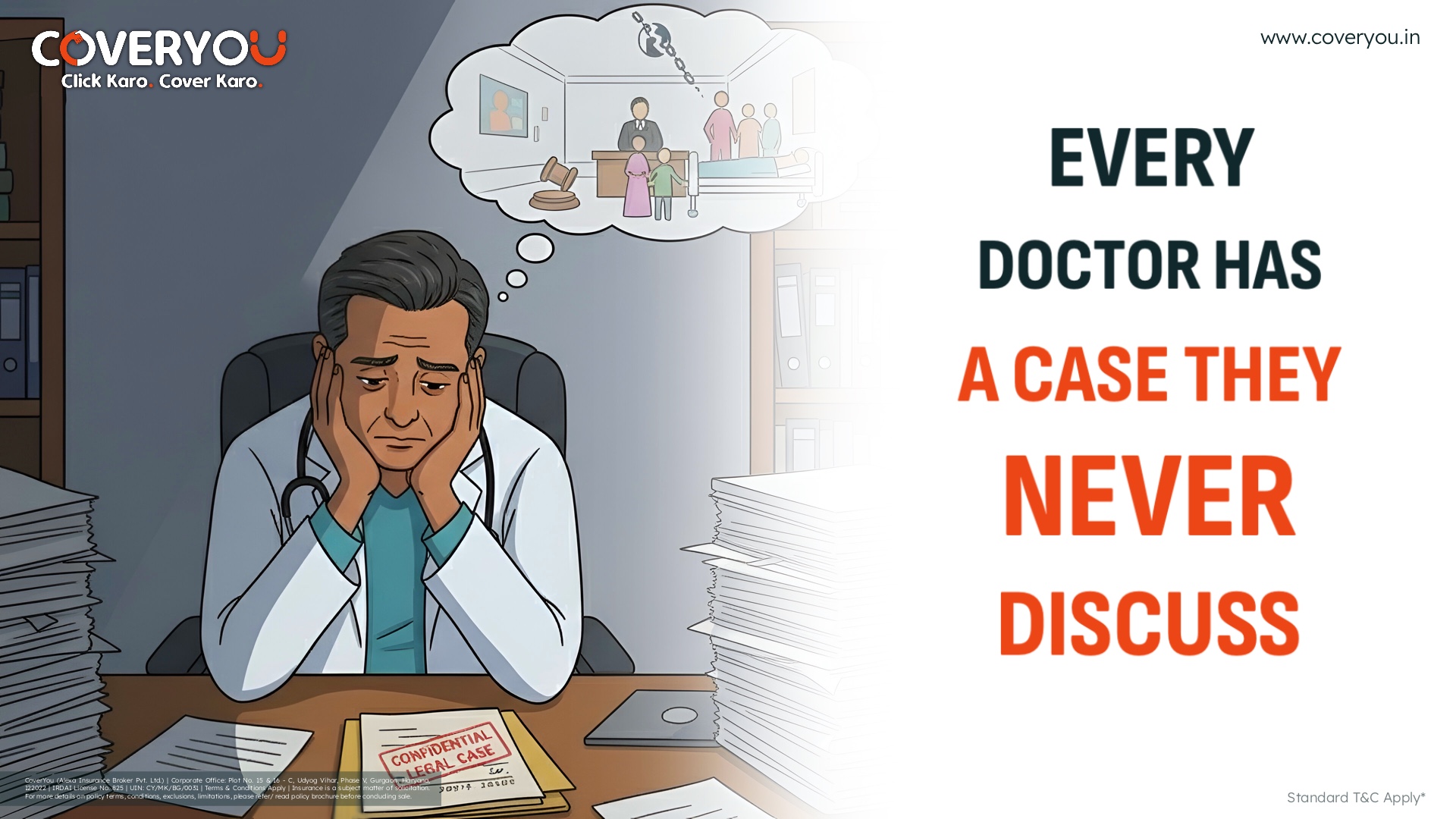

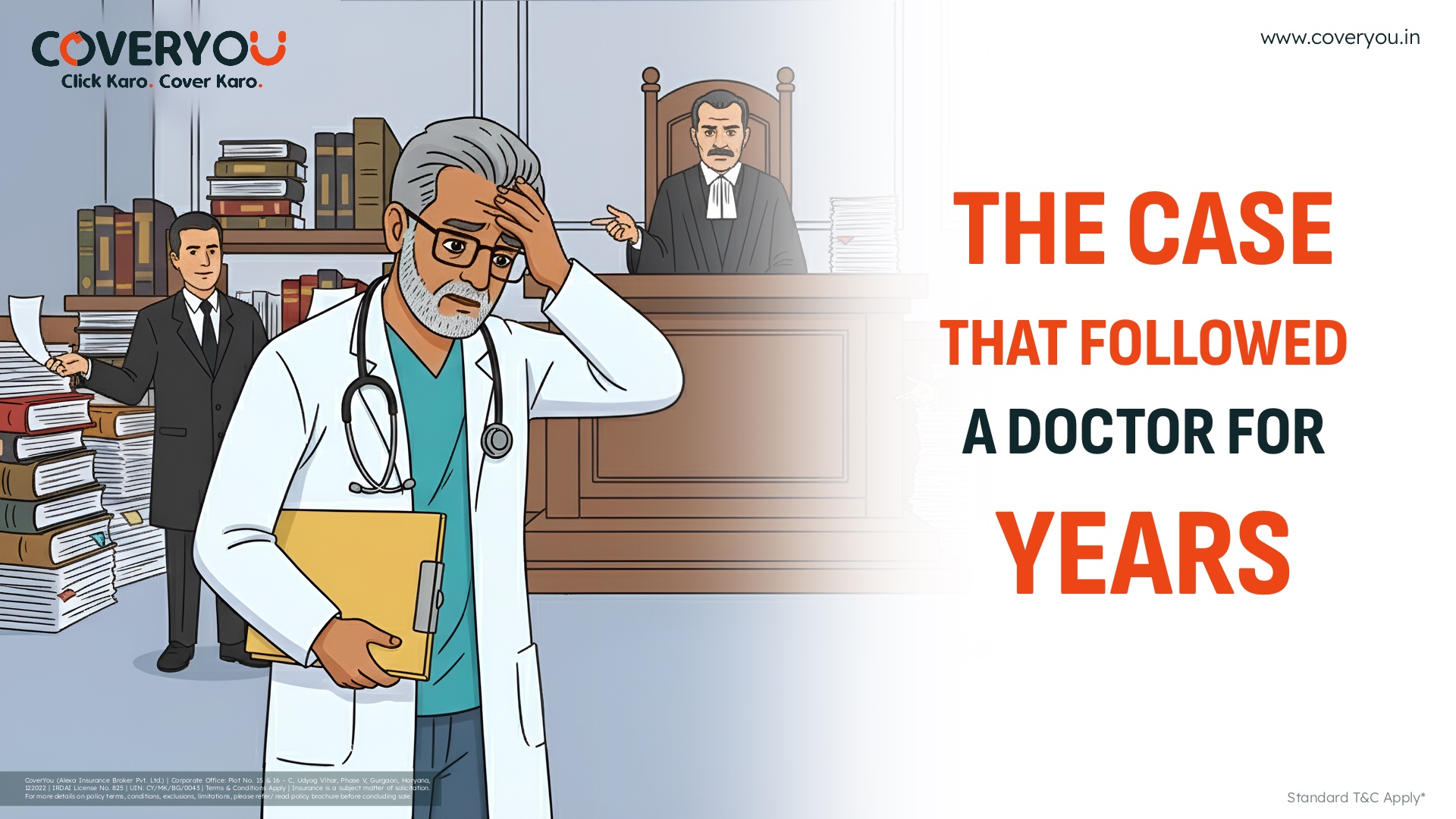
The case ended on paper long before it ended in memory.
There was a date attached to its closure. A final communication. A sense, at least externally, that the matter had been resolved.
The doctor remembered that day clearly — not because of relief, but because of how ordinary it felt.
He finished his clinic. He drove home. He ate dinner. Nothing announced that something significant had concluded.
And yet, the case didn’t leave.
It surfaced unexpectedly.
During a conference discussion about an unrelated topic.
While supervising a junior through a similar decision.
In the pause before answering a patient’s question that felt familiar.
The details had faded over time. What remained was the shape of it — the awareness that some decisions echo longer than others.
The case hadn’t involved wrongdoing.
It hadn’t ended badly.
But it had lingered.
Years later, when policies had changed and staff had rotated out, the doctor still adjusted his practice around it. Not consciously. Not defensively.
Precisely.
He explained things more slowly.
He documented reasoning more clearly.
He paused where he hadn’t before.
If asked why, he wouldn’t mention the case by name.
It no longer needed one.
Some experiences don’t teach lessons that can be summarised. They recalibrate judgement quietly, embedding themselves into how future decisions are shaped.
The case followed the doctor not as fear, but as reference.
It didn’t interfere.
It informed.
Medicine does not offer closure in the way other professions do. Outcomes resolve. Files close. But experience remains active.
Long after the paperwork ends, some cases continue doing their work.
Not loudly.
Not visibly.
Just enough to stay.
End.