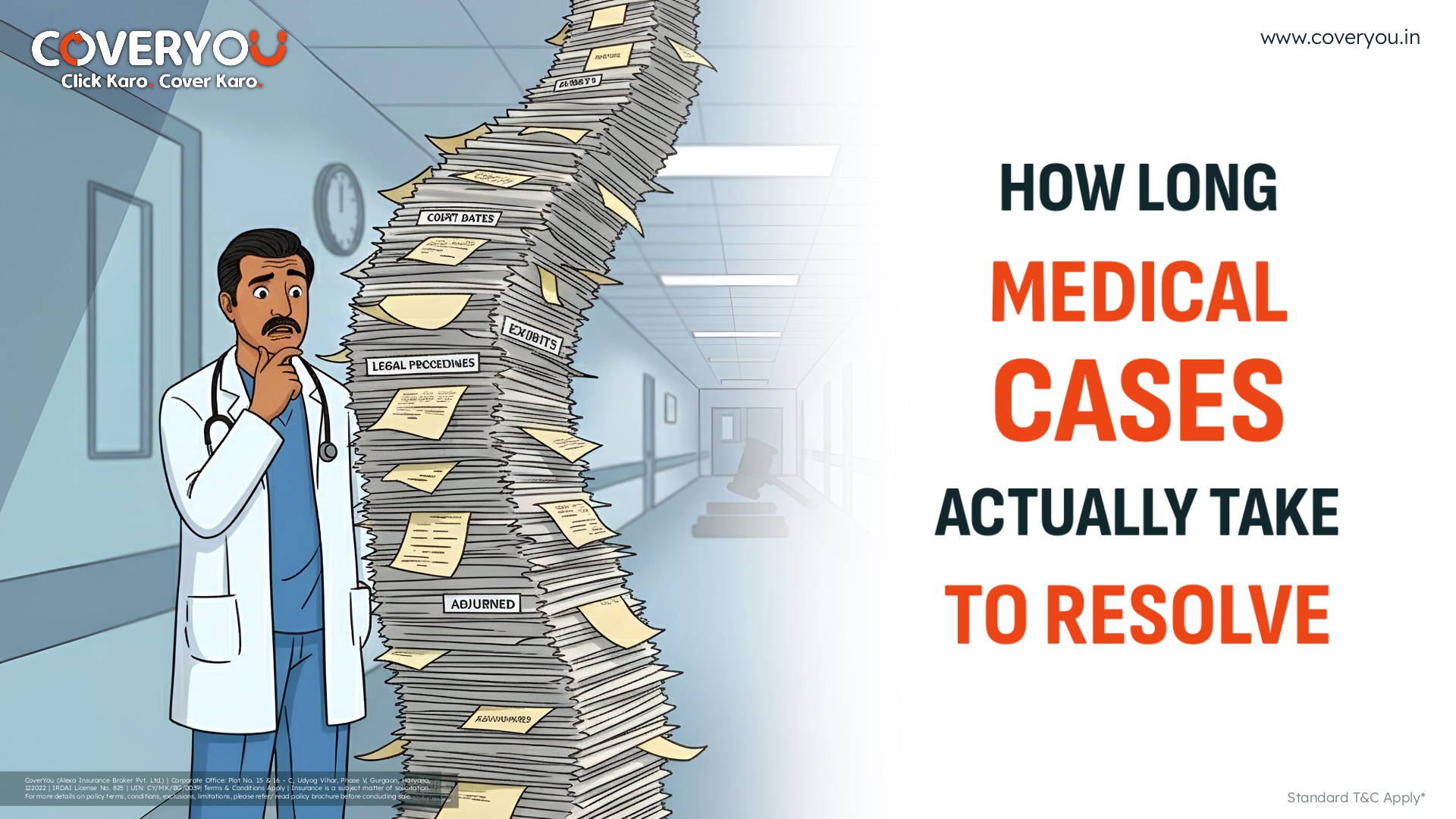

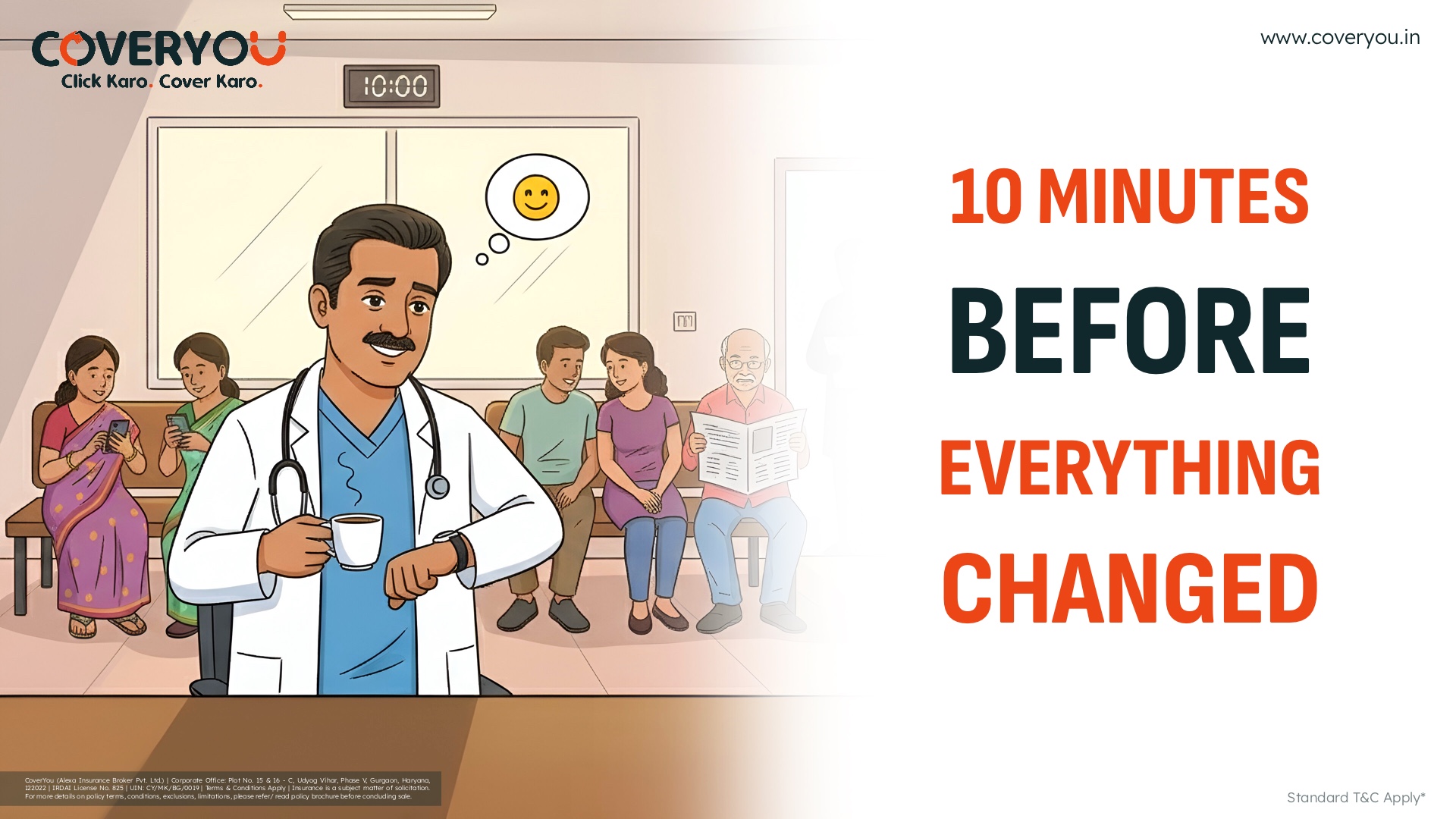
Ten minutes before everything changed, the clinic was running late.
A patient had arrived without an appointment. Another needed extra time. The nurse stepped in twice to ask if the queue could be managed faster.
The doctor glanced at the clock and nodded.
“Five more minutes,” he said. “We’ll manage.”
The procedure itself wasn’t unusual. It was one he had done often enough to stop counting. The consent was signed. The instruments were ready. The staff moved with the quiet efficiency that comes from repetition.
Nothing felt rushed.
And yet, everything was.
Ten minutes before everything changed, the doctor made a small decision – the kind that never feels important at the time. Not a deviation. Not a shortcut. Just an adjustment, based on experience.
Experience usually earns trust.
The room was calm. The patient asked a routine question. The doctor answered without looking up, already mentally moving to the next step.
Outside, someone laughed in the waiting area. A phone vibrated on silent. A ceiling fan clicked faintly with every rotation.
These details would later become impossible to forget.
Because once things change, the mind starts collecting evidence – not to understand, but to blame.
In the moment, there was no warning. No dramatic shift. Just a pause where the room seemed to hold its breath.
Then someone said his name.
Not loudly.
Not urgently.
Just enough for him to look up.
What followed would later be described in summaries and statements, reduced to timelines and bullet points. But in those ten minutes before, there was no sense of risk.
Only familiarity.
Only momentum.
Doctors are trained to act. To decide. To move forward even when certainty is incomplete. That is not recklessness – it is how medicine functions.
But sometimes, the line between routine and rupture is crossed quietly.
Without sound.
Without permission.
Ten minutes before everything changed, the doctor was thinking about the next patient.
He didn’t know this was the moment that would return to him later – replayed, slowed down, examined from every angle.
He didn’t know it would divide his memory into two parts.
Before.
And after.
End.