
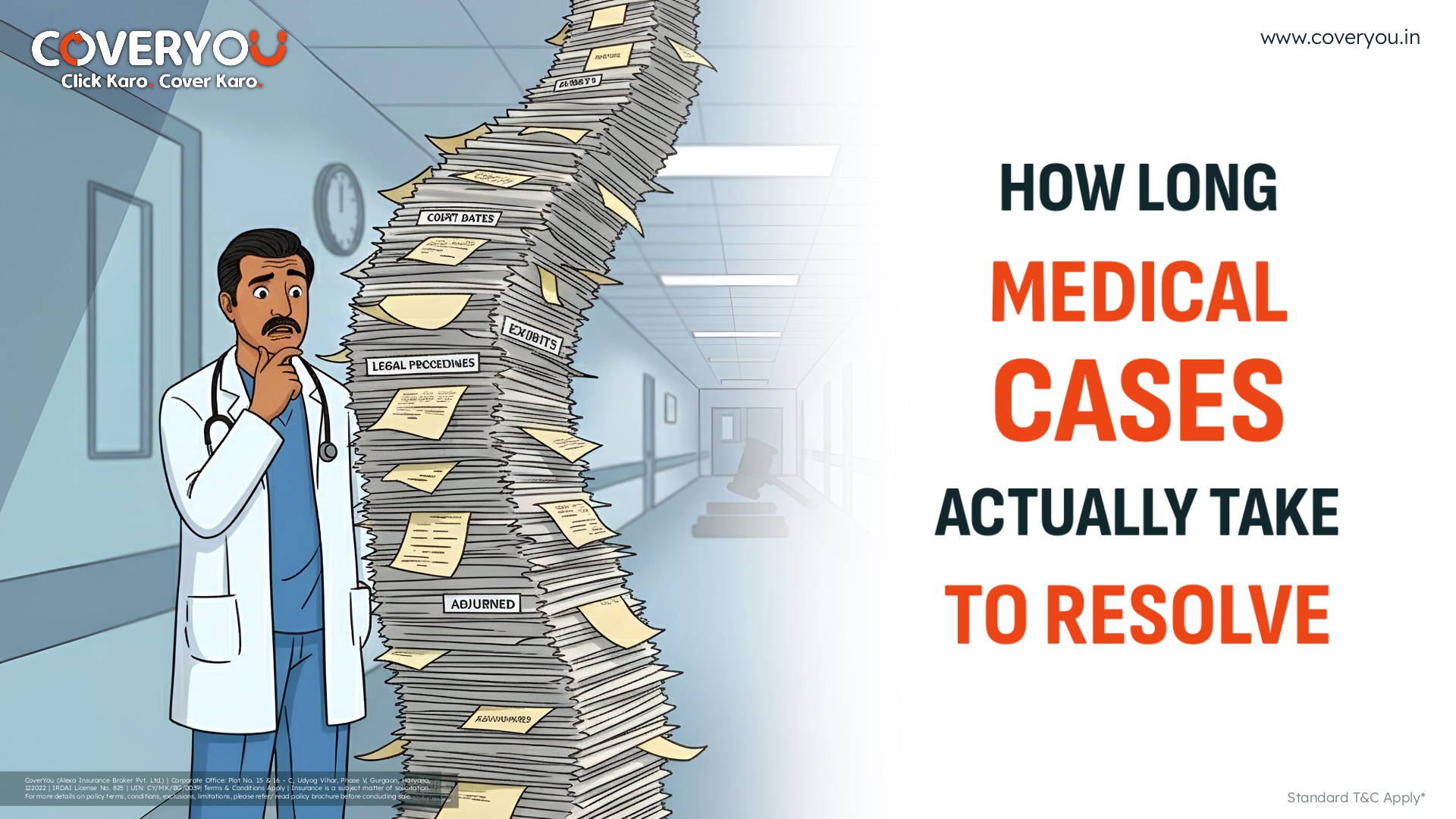
One of the most unsettling aspects of medical scrutiny is not intensity.
It is duration.
Most doctors expect difficult situations to peak and pass quickly. A notice arrives. A response is filed. Clarification follows. Resolution comes.
In reality, medical cases rarely move that cleanly.
Here is what doctors should realistically expect.
The Early Phase: Weeks
The initial stage often feels the most active.
Notices are read. Documents are gathered. Responses are prepared. Communication is frequent, and attention is high.
This phase creates the illusion that the process will conclude soon.
It usually doesn’t.
The Middle Phase: Months
After initial exchanges, momentum slows.
Authorities review submissions. Insurers assess alignment. Legal processes move into waiting periods that are largely silent.
This phase is marked by uncertainty rather than action.
Doctors often find this period more taxing than the beginning — not because of workload, but because of the lack of feedback.
The Extended Phase: Years (Sometimes)
Some matters resurface long after they seem dormant.
Requests for clarification. Reopened files. Additional documentation. Procedural follow-ups.
This does not mean escalation.
It means the system is still processing.
Why Timelines Stretch
Medical cases involve:
- multiple stakeholders,
- layered review processes,
- and interpretation of context over time.
Unlike clinical care, they do not follow predictable recovery curves.
Delays are structural, not personal.
What Doctors Should Do Differently
Understanding duration helps doctors pace themselves.
The goal is not constant vigilance. It is sustainable awareness.
Most cases do resolve.
Most do not end dramatically.
But they require patience that is rarely discussed openly.
Knowing this doesn’t shorten timelines.
It makes them survivable.