
There are cases doctors talk about freely.
They come up during teaching rounds, conferences, casual conversations with colleagues. Outcomes are analysed. Decisions are debated. Lessons are extracted and shared.
And then there are cases that never come up.
Not because they were dramatic.
Not because they involved wrongdoing.
But because they sit in a place words don’t reach easily.
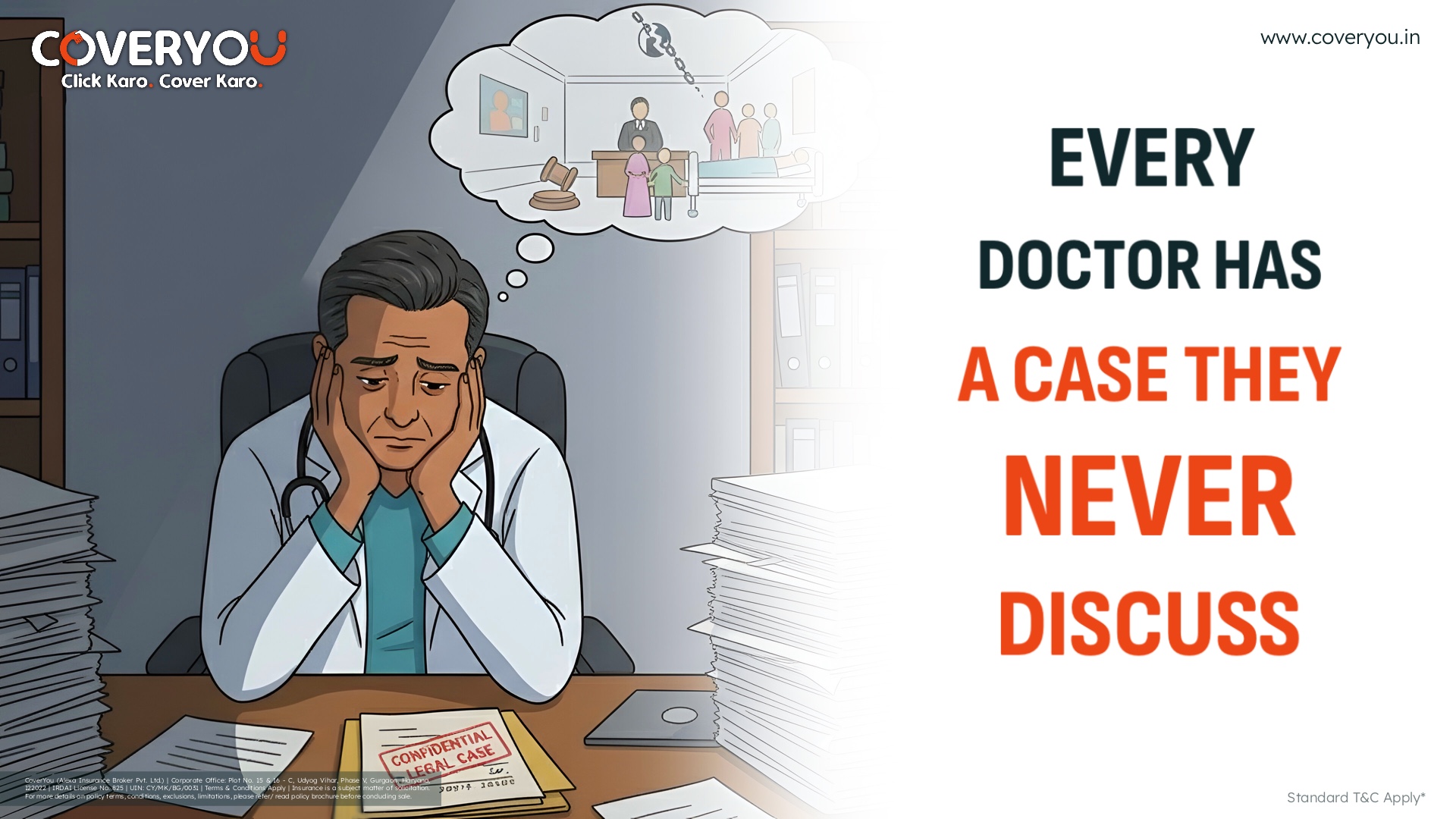
Every doctor has at least one.
A case that surfaces occasionally — not in conversation, but in quiet moments. During a late drive home. While filling a routine form. Sometimes in the pause before answering a junior’s question.
These cases aren’t hidden deliberately. They simply don’t fit the structure of discussion.
They didn’t end cleanly.
They didn’t resolve conclusively.
They didn’t offer a lesson that could be neatly articulated.
When asked about them, doctors often say, “It was complicated,” and move on.
Not because they don’t remember.
Because they remember too clearly.
In these cases, the uncertainty wasn’t clinical. It was moral. The decision taken was defensible, reasonable, even correct — and still, something about it lingered.
Not doubt.
Just awareness.
Medicine does not offer language for this kind of residue. Training focuses on outcomes, not on how those outcomes are carried forward. Over time, doctors learn to compartmentalise — not out of avoidance, but necessity.
Some cases are discussed to improve practice.
Others are absorbed to preserve it.
The ones that remain undiscussed often shape doctors more than the celebrated successes or the openly acknowledged failures. They refine judgement quietly, altering how future decisions are made without ever announcing their influence.
If asked directly, most doctors won’t name these cases.
But they will recognise the feeling.
It’s the case that changed how they listen.
How they pause.
How they choose words more carefully than before.
Not every experience is meant to be shared.
Some are simply carried — silently — doing their work over time.
End.