
The phone rang at a time when most seniors had already left.
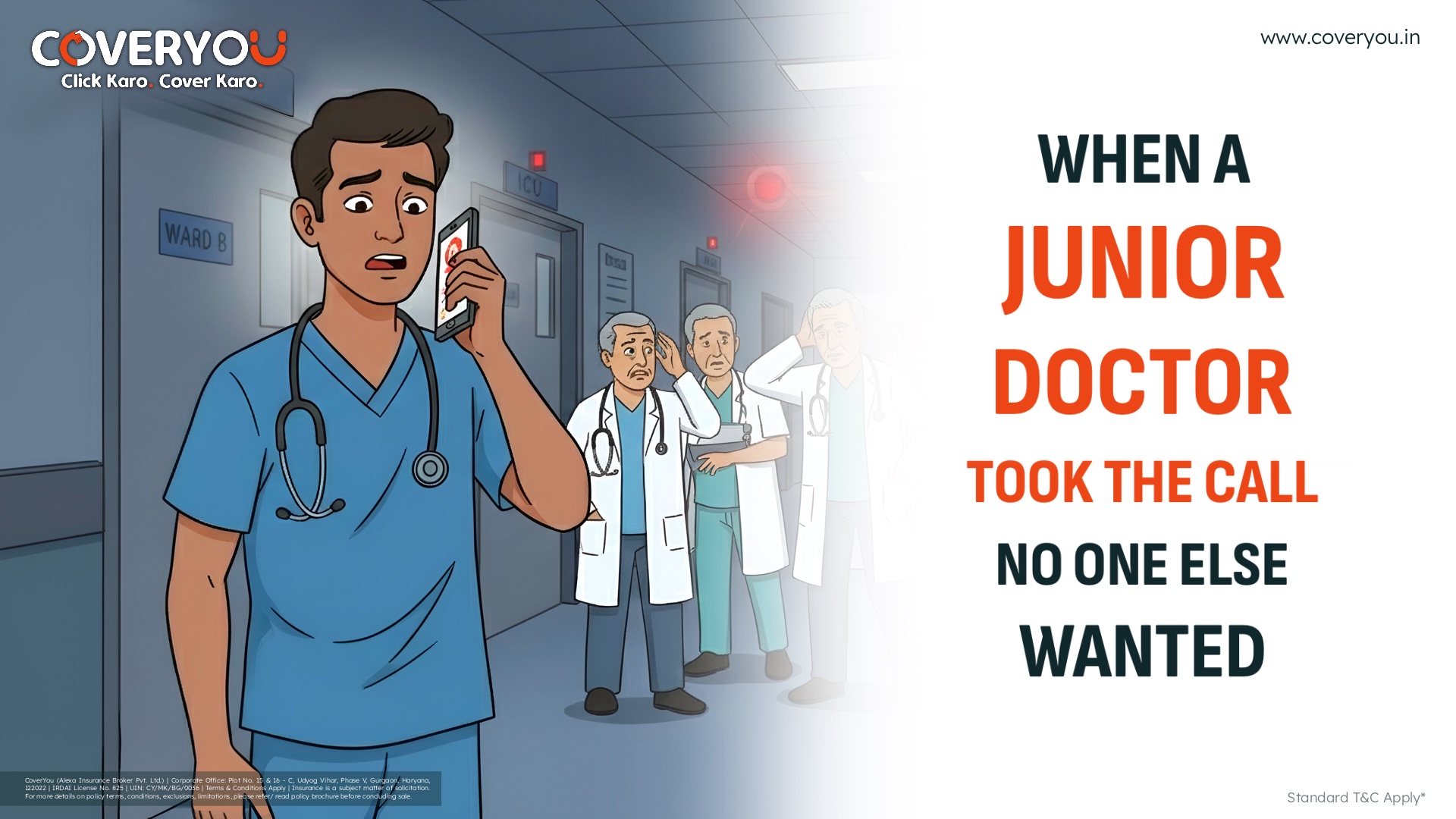
The clinic was quieter then — fewer patients, fewer interruptions. The junior doctor was finishing notes when the receptionist walked over, phone in hand.
“It’s about an old case,” she said.
There was a brief pause.
The senior consultant was unavailable. Another had stepped out. Someone would call back later — that was the usual response.
Instead, the junior doctor took the call.
Not out of confidence.
Out of proximity.
The voice on the other end was firm, controlled. Questions were asked carefully, framed to sound neutral. Dates were mentioned. Names were confirmed.
The junior doctor answered slowly, choosing words with more care than usual.
He had not handled the case alone.
He had not made the final decisions.
But he was present.
And he was available.
When the call ended, there was no immediate sense of alarm. Just a mild unease — the awareness that something had been said, and could not be unsaid.
Later, when the senior doctor was informed, the response was measured.
“It’s fine,” he said. “We’ll handle it.”
But the junior doctor didn’t forget the call.
In training, juniors learn medicine through supervision. Decisions are reviewed. Responsibility is layered. Mistakes, when they happen, are absorbed upward.
But exposure doesn’t always follow structure.
Sometimes, the first interaction with consequence happens early — without briefing, without context, without the protection of hierarchy.
That call became a reference point.
Not because it led to anything serious.
But because it revealed how quickly responsibility can surface.
The junior doctor became more careful after that. Not fearful — just alert. He learned when to pause, when to escalate, when not to speak at all.
This is how many doctors learn the edges of practice.
Not through instruction.
Through inheritance.
Someone takes a call.
Someone answers a question.
And suddenly, experience arrives earlier than expected.
End.