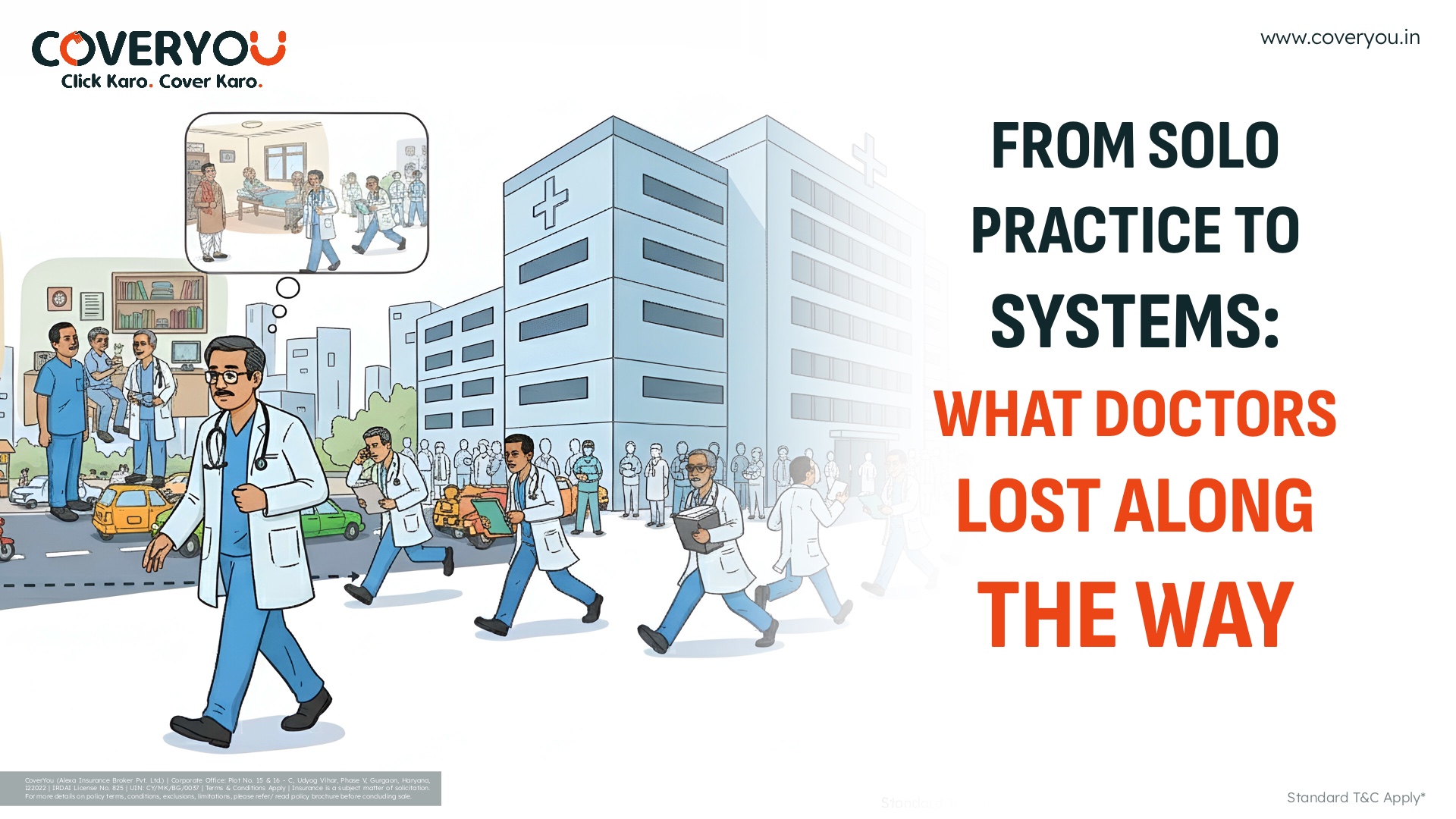

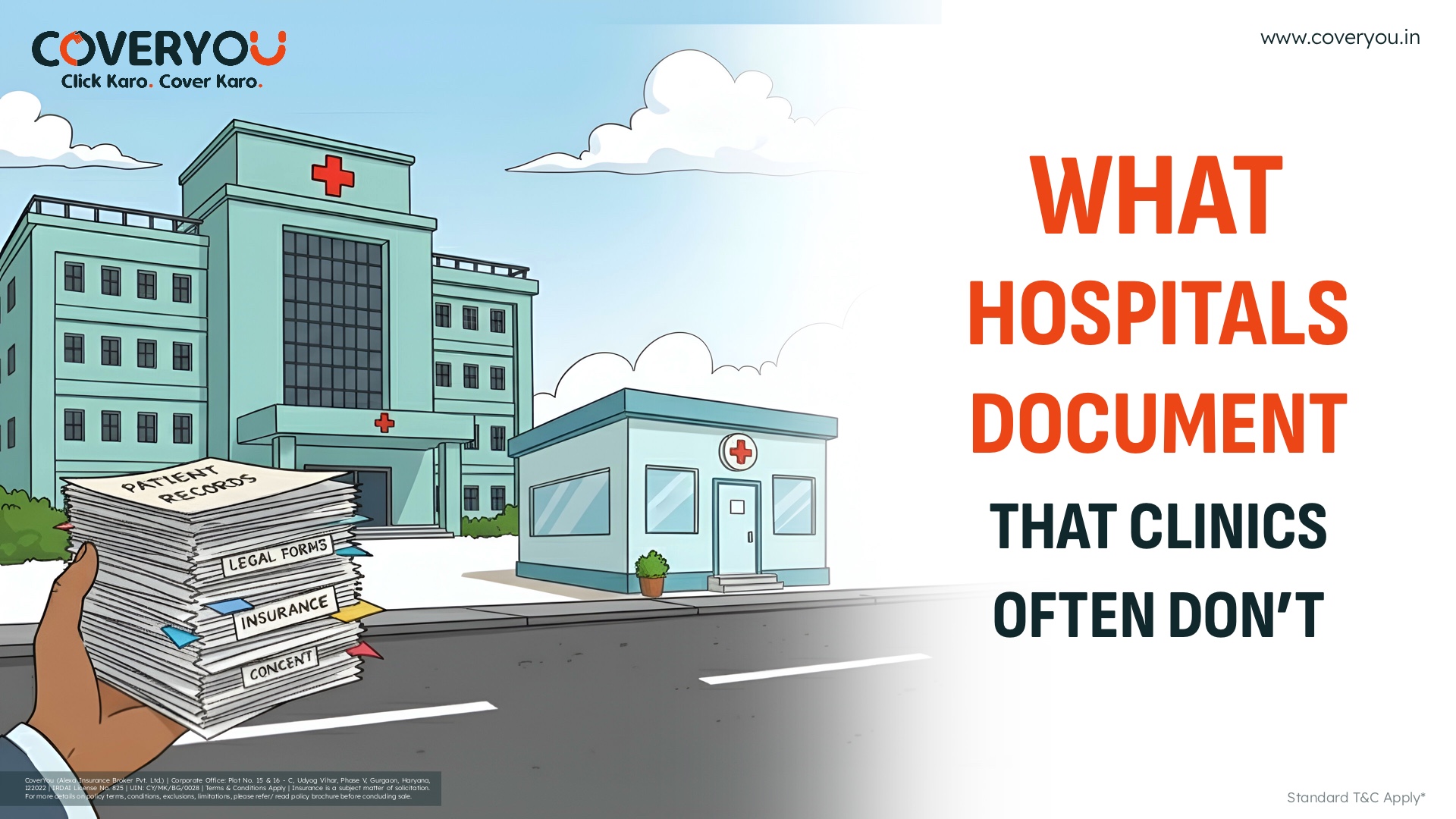
Hospitals document aggressively.
Not because they expect problems – but because scale demands consistency.
Clinics, on the other hand, often document efficiently. Notes are clear, focused, and designed to support continuity of care rather than external review.
This difference matters.
Here are areas hospitals typically record more thoroughly – and why clinics often don’t.
Decision Rationale
Hospitals frequently document why a particular option was chosen, especially when alternatives exist.
Clinics often record what was done, assuming the reasoning is self-evident.
Under scrutiny, reasoning matters as much as action.
Escalation Points
Hospitals note when seniors are consulted, when opinions are sought, and when responsibility shifts.
Clinics rely more on informal discussion – conversations that never make it into records.
When questions arise later, these informal escalations become invisible.
Counselling Notes
Hospitals often record that counselling occurred – including risks discussed, options presented, and patient understanding.
Clinics may explain the same things verbally but leave limited trace on paper.
The explanation happened.
The record doesn’t show it.
Timelines
Hospitals consolidate timelines across departments. Clinics experience events linearly, without needing consolidation – until asked.
When timelines are requested later, reconstruction depends heavily on memory.
Why This Isn’t a Criticism
Clinics function under time constraints. Their documentation reflects practicality, not negligence.
But as expectations rise, documentation designed for care alone is sometimes asked to perform defensive work.
Understanding this gap helps clinics strengthen selectively – without adopting hospital-level bureaucracy.
Documentation doesn’t need to be heavier.
It needs to be intentional.
End.