
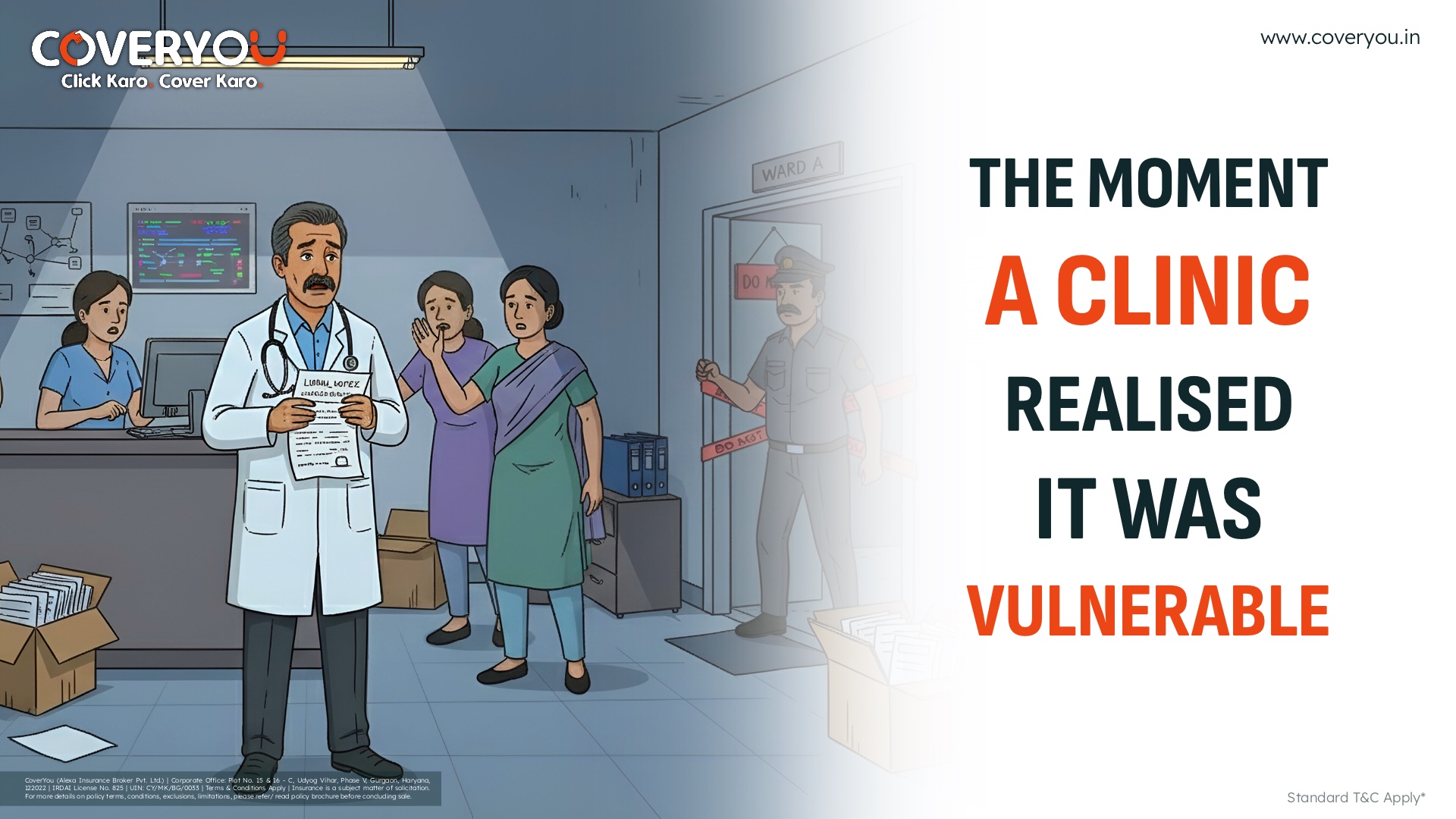
The clinic had been running for years without incident.
It wasn’t large, but it was busy. Patients trusted it. Referrals came in regularly. The systems were familiar — not perfect, but functional.
Nothing suggested fragility.
The moment of realisation didn’t arrive with a crisis. There was no emergency meeting. No confrontation.
It came quietly.
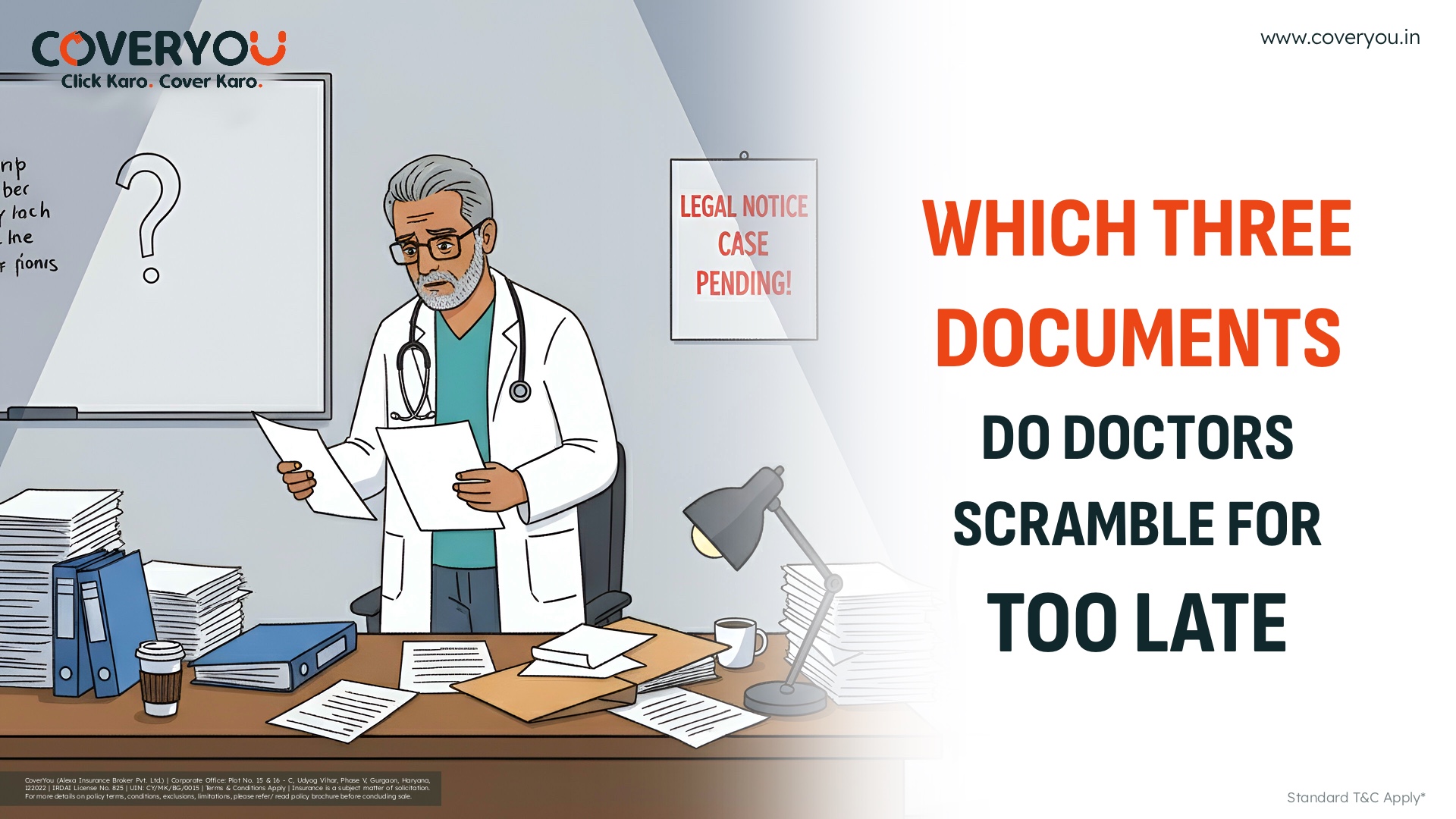
A question was raised — not accusatory, just procedural. Someone asked for a document that existed, but not in the way it was now being requested.
The staff searched. Files were checked. Emails were traced. The document was found — eventually.
But the delay exposed something uncomfortable.
Not negligence.
Not incompetence.
Exposure.
The clinic functioned on shared understanding. On memory. On informal checks that worked because everyone knew how things were done.
That day, it became clear that familiarity had been mistaken for resilience.
The systems were sufficient — until they weren’t.
No one said the word vulnerable out loud. But it appeared in behaviour. Extra copies were made. Processes were written down. Questions that had once been answered verbally were now followed by emails.
The clinic didn’t weaken.
It hardened.
The shift wasn’t dramatic. Patients noticed nothing. Appointments continued. Care remained consistent.
But internally, a line had been crossed.
The clinic now understood something it hadn’t needed to before — that good intentions and good outcomes do not eliminate risk.
They simply delay its visibility.
Vulnerability isn’t discovered when something goes wrong.
It’s discovered when something almost does.
And once seen, it cannot be unseen.
End.